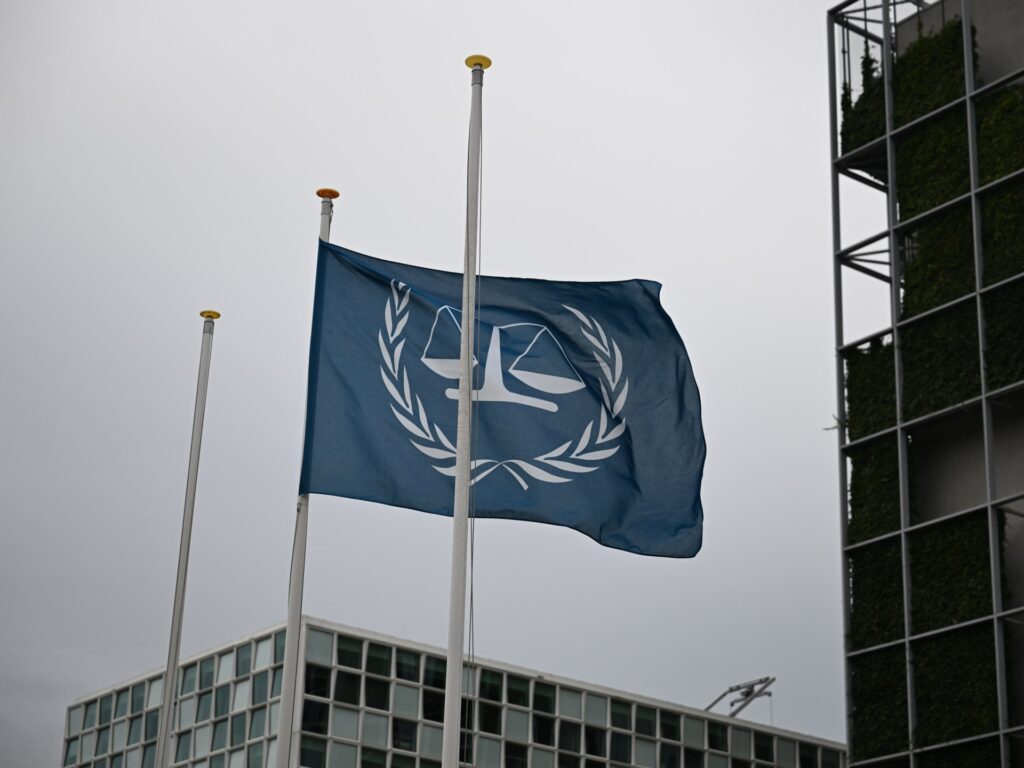
The United States has recently imposed sanctions targeting the International Criminal Court (ICC), a move that has sparked significant international discussion and controversy. The ICC is a judicial body established to prosecute individuals for grave humanitarian crimes such as genocide, crimes against humanity, and war crimes. Despite the court’s mandate to uphold international justice and accountability, the US government’s actions reflect deeper political and legal disagreements.
The roots of US opposition to the ICC stem from concerns about the court’s jurisdiction and potential impact on American sovereignty. Washington argues that the ICC could potentially prosecute US military personnel and officials for actions taken during conflicts, even if those actions are supported by US law or conducted on behalf of its government. This fear of losing control over the legal processes involving its nationals has fueled resistance against the ICC.
In addition, the US government has accused the ICC of bias and inefficiency, claiming it disproportionately targets certain countries while neglecting others. The sanctions aim to pressure the court and deter it from pursuing investigations that could involve US citizens or allied nations.
The sanctions involve measures designed to restrict ICC officials and entities from accessing US assets or financial systems. These restrictions significantly hamper the ICC’s operational capabilities and serve as a diplomatic signal of US disapproval.
International reactions to the sanctions have been mixed. Many human rights advocates and allied countries have condemned the US actions as undermining international justice mechanisms. They emphasize the importance of the ICC’s role in holding perpetrators of atrocities accountable, especially in scenarios where national courts fail to act.
Conversely, some governments support the US stance, sharing apprehensions about the ICC’s reach and influence in global affairs.
The recent sanctions add to previous US efforts to limit the ICC’s scope, underscoring ongoing tensions between national interests and international judicial authority. This standoff reflects broader geopolitical dynamics where questions of accountability, sovereignty, and global governance intersect.
In summary, the US sanctions on the ICC highlight a complex intersection of law, politics, and diplomacy. While the ICC’s mission is to prosecute serious international crimes, the US government’s concerns over sovereignty and legal protections for its citizens continue to shape its contentious relationship with the court. The international community remains divided, balancing the pursuit of justice with respect for national jurisdictions.