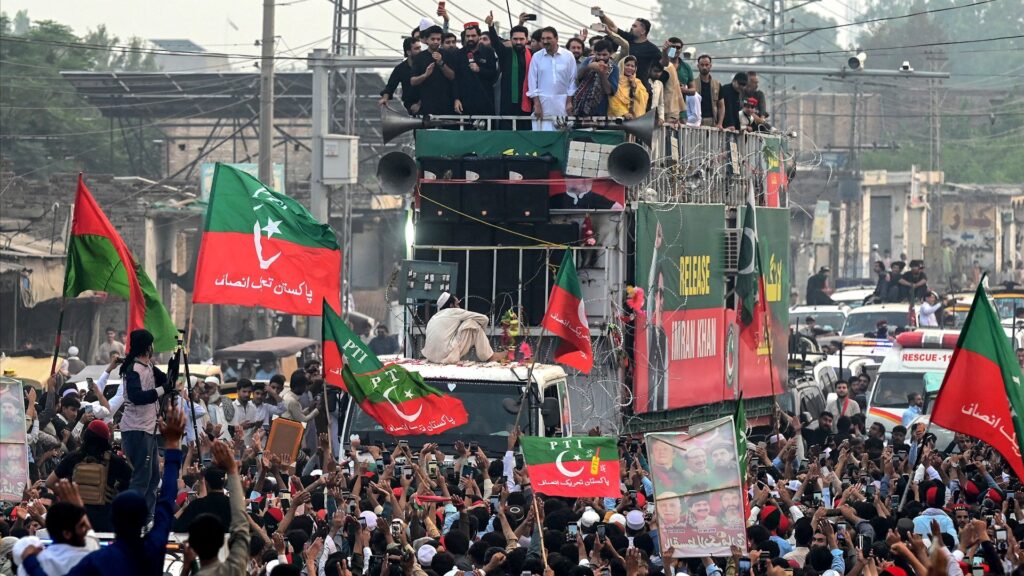
Supporters of former Pakistani Prime Minister Imran Khan have mobilized en masse, marching toward the capital city, Islamabad, in a fervent demand for his release from prison. The movement has drawn thousands of Khan’s loyalists, showcasing the significant public backing he continues to command even while incarcerated.
Imran Khan, the charismatic leader and head of the Pakistan Tehreek-e-Insaf (PTI) party, has been detained amidst political turmoil that has gripped Pakistan in recent months. His detention has sparked widespread reactions across the nation, polarizing public opinion and mobilizing his supporters to take to the streets.
The march to Islamabad is not just a protest but a demonstration of political resilience and popular dissent against the current government’s handling of Khan’s case. Supporters are demanding justice and transparency, asserting that Khan’s imprisonment is politically motivated.
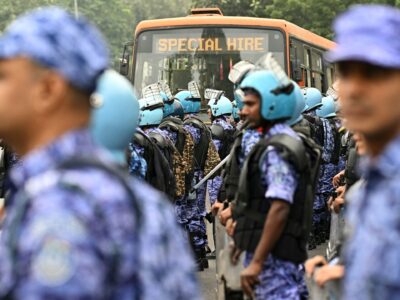
As the thousands make their way toward the capital, security forces have been deployed in significant numbers to maintain law and order. The government has called for restraint on both sides, emphasizing the need for peaceful demonstrations without disruption to public order.
Analysts suggest that this political crisis highlights the deep divisions within Pakistan’s society and its political system. Imran Khan remains a significant figure, with his supporters considering him a symbol of anti-corruption and reform, while critics accuse him of destabilizing the political landscape.
The march itself is laden with symbolism, representing a stand against perceived injustice and a plea for democratic rights and legal fairness. The atmosphere is charged with chants and slogans, reflecting the urgency and intensity of the supporters’ demands.
The journey to Islamabad is expected to be a tense period for the city, with local authorities preparing for large crowds and potential clashes. Public transportation and entry points to the capital are under alert to manage the influx.
Political leaders from various factions watch the developments carefully, with some expressing solidarity with Khan’s supporters, while others maintain a cautious distance, wary of escalating tensions.
International observers are also monitoring the situation closely, mindful of Pakistan’s stability and the implications for regional security.
The supporters’ march underscores the enduring political influence of Imran Khan and the deep-rooted divisions in Pakistani politics. The outcome of this protest could have lasting impacts on governance, political discourse, and the judicial process in the country.
As thousands march onward, the world watches with bated breath, eager to see whether their demands will be met or if the situation will further escalate, influencing Pakistan’s political trajectory in the months to come.