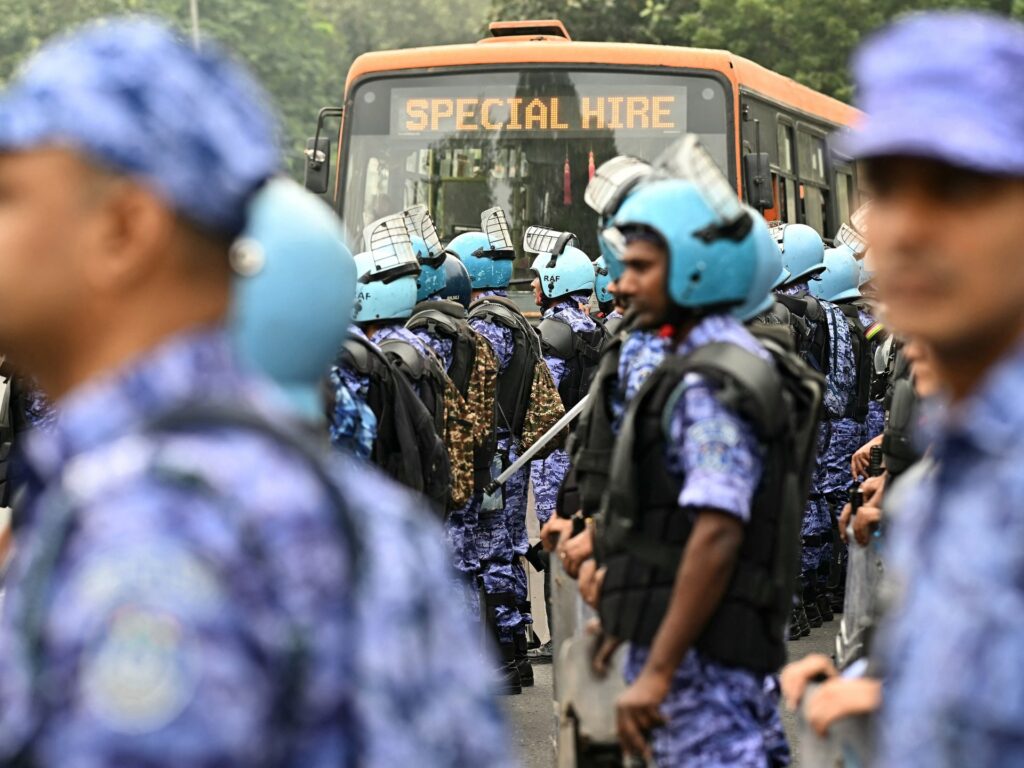
In a politically charged atmosphere in India, the tensions escalated as Abhijeet Dipke, the founder of the ‘Cockroach Janta Party,’ along with several other prominent leaders, were detained ahead of a planned protest. The demonstration was organized to demand the resignation of the election chief amid allegations of unfair practices and dissatisfaction with the administration’s handling of electoral processes.
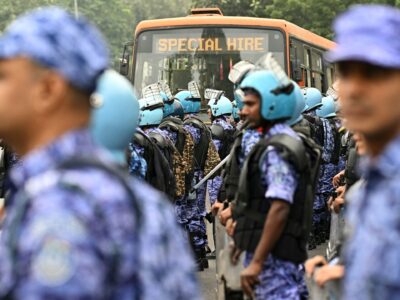
The protest was to take place in New Delhi, the nation’s capital, which has been placed under a strict lockdown to prevent any unrest from escalating. Authorities implemented heightened security measures, deploying additional police forces and barricades around key government buildings and strategic locations to maintain order.
Dipke and his associates are vocal critics of the current election commission, accusing it of bias and mismanagement. Their demands reflect a broader sentiment among opposition groups and civil society activists who seek greater transparency and reforms within India’s electoral system.
The government, however, has defended the election commission, asserting that it functions with integrity and impartiality. Officials have expressed concern that the protests could disrupt public order and have called for peaceful dialogue instead.
The lockdown includes restrictions on public gatherings, movement limitations, and increased checkpoints throughout the city. These measures have affected daily life in New Delhi, with businesses adjusting operations and residents advised to stay indoors to avoid confrontation.
International observers and media have closely monitored the situation, highlighting the delicate balance between maintaining law and order and upholding democratic freedoms in India’s vibrant political landscape.
The detention of Dipke and other protesting leaders has sparked debates on the right to protest and the role of law enforcement in political demonstrations. Supporters argue the detentions are a crackdown on dissent, while authorities insist they are necessary for security.
As the day progresses, the government and protest organizers face mounting pressure to engage in dialogue. The outcome of this confrontation could have lasting implications for India’s political climate, electoral reforms, and civil liberties.
This live scenario emphasizes the ongoing challenges India’s democracy faces in managing electoral integrity, public sentiment, and political expression. The coming days will be crucial in determining whether tensions escalate or a peaceful resolution is achieved, reflecting the resilience and complexities of India’s democratic framework.