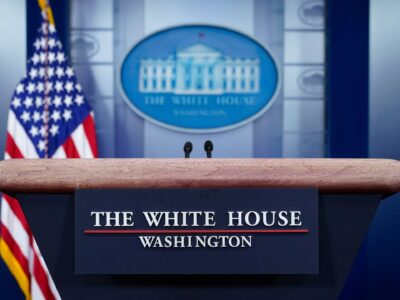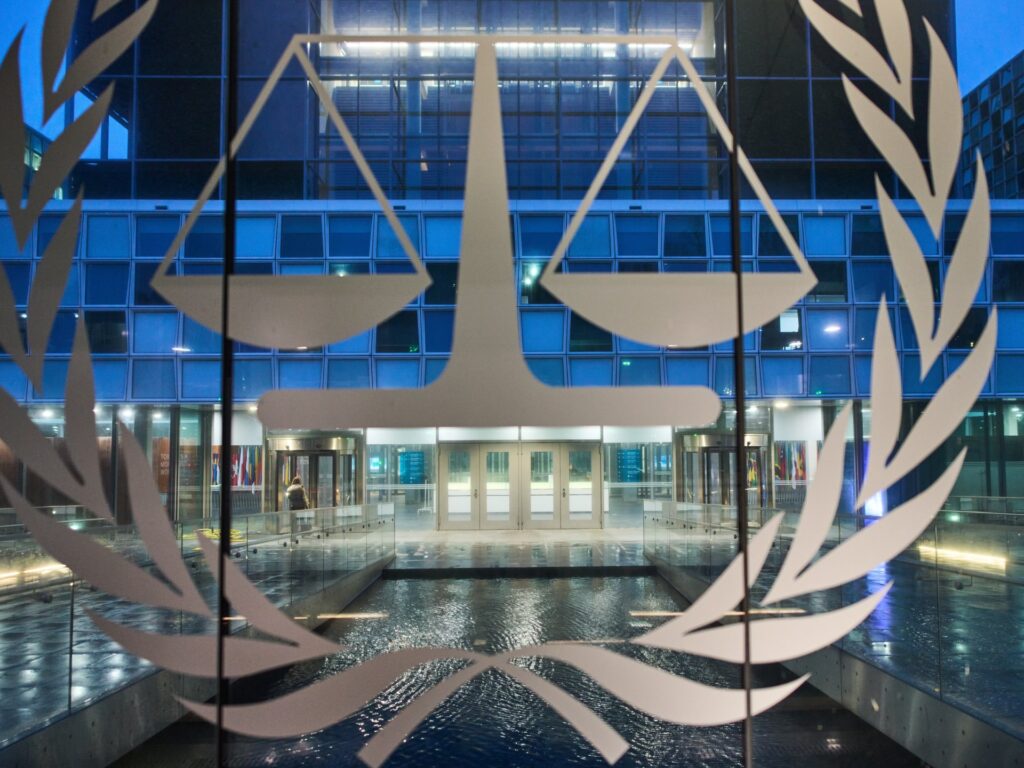
In a significant display of international solidarity, European states, Canada, Japan, and the United Nations have come out strongly in support of the International Criminal Court (ICC) following the United States’ decision to impose sanctions on the judiciary body. This collective backing underscores a growing concern among US allies about the implications of Washington’s punitive measures on international justice and accountability.
The ICC, established to prosecute individuals for crimes such as genocide, war crimes, and crimes against humanity, has faced mounting pressure due to its investigations, which sometimes involve powerful state actors, including those allied with the United States. The US sanctions, aimed at deterring the ICC’s scrutiny of American personnel and partners, have sparked widespread condemnation from several international actors who view these actions as undermining the rule of law.
European countries have been particularly vocal, emphasizing the need to defend the ICC’s independence and mandate. They argue that the court serves as a critical mechanism for maintaining international peace and preventing impunity worldwide. Similarly, Canada and Japan have reiterated their commitment to supporting international judicial institutions and ensuring that justice prevails despite political pressures.
The United Nations has also expressed its concern over the US’s approach, highlighting that safeguarding the ICC’s operations is essential for upholding international norms and legal standards. UN representatives have called for a renewed dialogue among member states to reinforce the protections around the ICC and to foster cooperation rather than confrontation.
Allies of the United States are urging Washington to reconsider its stance, stressing that the sanctions could damage global efforts to combat serious crimes and weaken the international legal framework. The call to “defend” and “protect” the ICC reflects a shared belief in the importance of maintaining an impartial and effective judiciary body capable of holding perpetrators accountable.
This situation marks a critical juncture in international relations and justice, as countries grapple with balancing national interests and the broader imperative for a rules-based international order. The controversy surrounding the US sanctions has reignited debates about the extent of the ICC’s jurisdiction and the role of powerful nations in shaping its future.
As discussions continue, the united front presented by European states, Canada, Japan, and the UN sends a clear message: the global community values the ICC as an essential institution in the fight against impunity and will actively resist attempts to undermine its work.
The challenge now lies in navigating the complex diplomatic landscape to ensure the ICC can operate free from undue interference while addressing the concerns raised by various states.
Ultimately, the international response to the US sanctions will likely shape the trajectory of international justice and the effectiveness of multilateral institutions in promoting accountability and human rights worldwide.