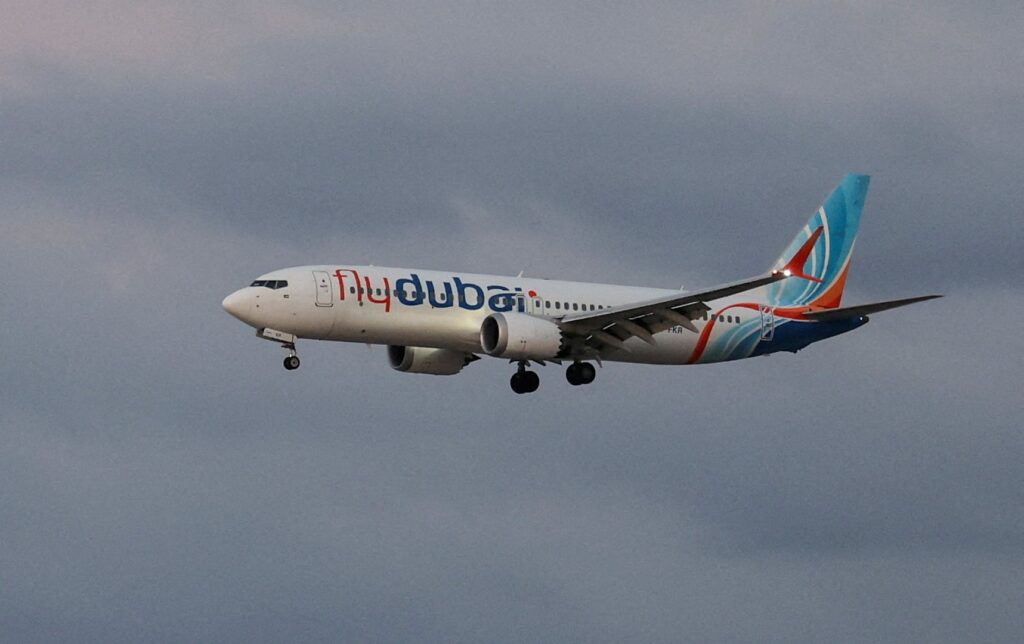
In a shocking revelation, the UAE authorities have disclosed that a co-pilot from Flydubai was involved in planning a suicide attack targeting Israel. The Attorney General of the UAE confirmed that the suspect admitted to acting alone and had meticulously prepared both psychologically and physically for the attack.
The co-pilot’s plan, details of which are still emerging, involved a suicide mission that raised serious security concerns in the region. The involvement of an airline crew member in such a plot has sent ripples through the aviation and security sectors, highlighting the ongoing risks of lone-wolf attacks.
According to the Attorney General, the individual underwent extensive preparation, indicating a high level of determination and ideological motivation behind the act. This preparation included psychological conditioning as well as physical readiness, underscoring the suspect’s commitment to carrying out the deadly mission.
Flydubai, a prominent low-cost airline based in Dubai, has expressed its full cooperation with the authorities during the investigation. The company has emphasized its commitment to passenger safety and reiterated its zero-tolerance stance towards any form of terrorism or violence within its ranks.
The UAE’s security apparatus quickly intercepted the plot before it could be executed, thus preventing a potentially catastrophic incident. The swift action by national security forces demonstrates the strength and efficacy of counterterrorism measures in the country.
This incident also brings to light the complexity of security challenges faced by the aviation industry, especially in geopolitically sensitive regions like the Middle East. Airlines are constantly adapting their security frameworks to mitigate threats posed by insiders and external actors alike.
Experts suggest that the case could lead to more stringent background checks and ongoing psychological evaluations of airline personnel. The airline’s reputation and passenger confidence hinge on rigorous screening processes to prevent exploitation by individuals with harmful intent.
On a broader scale, the alleged attack is a reflection of the deep-seated tensions and ongoing conflicts affecting the Middle East. Terrorism remains a persistent threat, with isolated individuals potentially radicalized to carry out acts of violence independently.
International cooperation and intelligence-sharing remain critical in addressing such security threats. Countries in the region, including the UAE and Israel, have been working closely to combat terrorism, and incidents like this underscore the importance of these alliances.
Authorities have assured the public that the suspect is now in custody and that a thorough investigation is underway. Additional details will be made available as the inquiry progresses, with the hope of uncovering any accomplices or broader networks if present.
The Flydubai co-pilot case is a stark reminder of the vigilance required in the face of evolving security threats. It also highlights the necessity for continuous support and resources for counterterrorism agencies to safeguard citizens and maintain stability in the region.
As the investigation continues, the aviation community and governments worldwide are expected to review and tighten security protocols, ensuring that such threats are neutralized before they can materialize into real-world attacks.
In conclusion, the thwarted suicide attack planned by the Flydubai co-pilot represents a serious breach of aviation security and regional peace. The UAE’s decisive actions and collaborative efforts with international partners demonstrate a robust response to terrorism, aiming to protect lives and uphold safety standards across air travel networks.