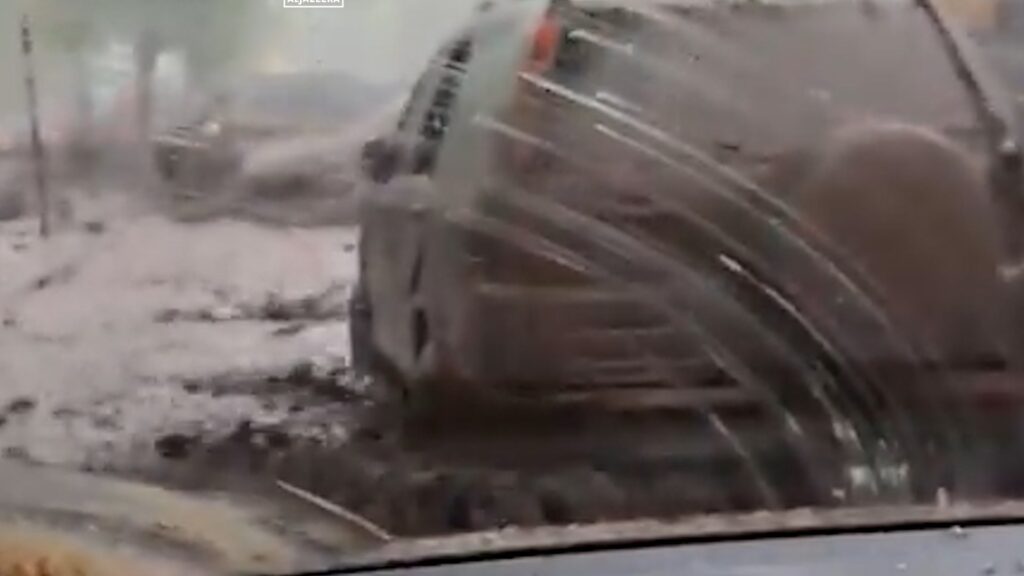
In a gripping video that has captured international attention, a driver in Chile recorded the terrifying moments when their car was swept away by sudden floodwaters. The footage, filmed from inside the vehicle, shows the rapid rise of water and the helpless journey as the car is carried off by the forceful current.
Chile, known for its varied climate, has recently been hit by severe flooding, causing damage and disruption across various regions. This incident highlights the dangers posed by sudden natural disasters and the unexpected strength of floodwaters, even in areas not typically prone to such events.
The driver, who remains safe, managed to capture the entire ordeal on a dashboard camera, providing a stark reminder of the power of nature. Emergency services responded swiftly to the incident, assisting those affected and reinforcing warnings about driving during floods.
Climate experts note that changing weather patterns could increase the frequency and intensity of these events, urging communities to improve preparedness and infrastructure resilience. Videos like this serve as valuable footage for understanding the dynamics of floodwaters and the importance of caution during such emergencies.
Authorities have stressed the importance of avoiding roads that are flooded and have issued advisories for residents to heed weather warnings seriously. Public awareness campaigns are underway to educate drivers about the risks associated with driving in hazardous weather conditions.
The video has sparked conversations on social media, with viewers expressing shock and concern for those caught in such precarious situations. Many have praised the composure of the driver in managing to film and survive the event.
As rescue and recovery efforts continue, this incident underscores the ongoing challenges faced by communities worldwide in dealing with climate-related natural disasters. It also highlights the importance of technological aids such as dashboard cameras in documenting events that can be critical for emergencies and future safety planning.