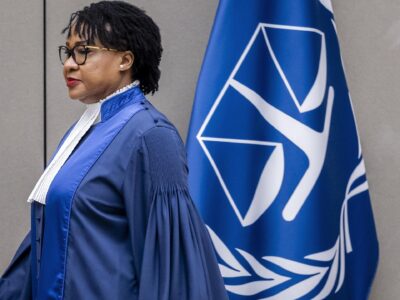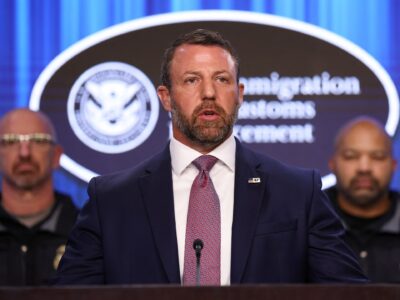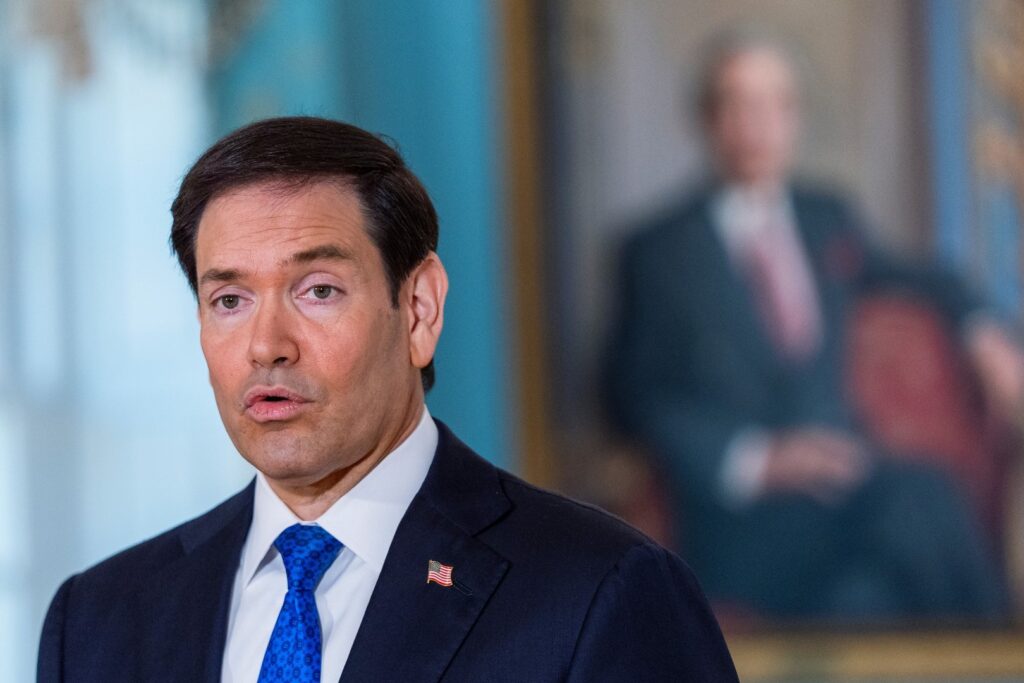
In a striking diplomatic move, the United States announced sanctions against the International Criminal Court (ICC) mere hours after an ex-judge associated with the court was awarded the Nobel Prize. US Secretary of State Marco Rubio declared the sanctions on Friday, underscoring the US government’s long-standing criticisms of the ICC.
The ICC, based in The Hague, Netherlands, is an intergovernmental organization and international tribunal tasked with prosecuting individuals for international crimes such as genocide, war crimes, and crimes against humanity. Despite its global mandate, the court has faced opposition from several countries, including the US, which has often viewed the ICC’s jurisdiction as an infringement on national sovereignty.
Rubio’s statement characterized the ICC as a ‘rogue court,’ reinforcing the US contention that the court operates outside of acceptable international legal norms and interferes in domestic affairs. The sanctions come amid heightened tensions between the ICC and various nations skeptical about its authority and impartiality.
The timing of the sanctions was particularly notable. The Nobel Peace Prize was recently awarded to an ex-judge formerly affiliated with the ICC, a decision celebrated by many as recognition of efforts to uphold international justice. However, the US government’s reaction indicates a sharp divergence in perspectives.
The sanctions reportedly include restrictions on financial transactions and travel bans targeting ICC officials, aiming to curtail the court’s operations and influence. These measures are likely to escalate diplomatic strains, as the ICC continues its investigations into alleged war crimes and human rights violations in various global conflict zones.
Critics of the US move argue that sanctioning an international judicial body shortly after honoring one of its members with a prestigious award is contradictory and undermines the principles of international justice. They contend that such actions may embolden perpetrators of serious crimes by weakening a key institution designed to hold them accountable.
Supporters of the sanctions, on the other hand, believe that the ICC needs to be held accountable for overreach and that the US action signals a necessary check on what they perceive as judicial activism. The debate reflects broader disagreements over the role and limits of international legal institutions.
This development comes amidst ongoing discussions about reforming international courts and enhancing their legitimacy and effectiveness. Many observers speculate that US sanctions could compel the ICC to reassess its strategies and operations, potentially influencing its future approach to international justice.
The immediate international response has been mixed, with some countries expressing concern over the US stance, while others have remained silent or supportive. The European Union and various human rights organizations have reiterated their support for the ICC’s mission, emphasizing the importance of international cooperation in combating impunity.
The ICC continues to investigate numerous cases worldwide, including high-profile situations in Africa, the Middle East, and elsewhere. The imposition of sanctions by the US introduces a new layer of complexity to these efforts, potentially impacting ongoing and future prosecutions.
Overall, the US sanctions against the ICC signal a renewed contention in the global arena about sovereignty, justice, and the rule of law, highlighting the challenges faced by international institutions when navigating the geopolitical interests of powerful states.