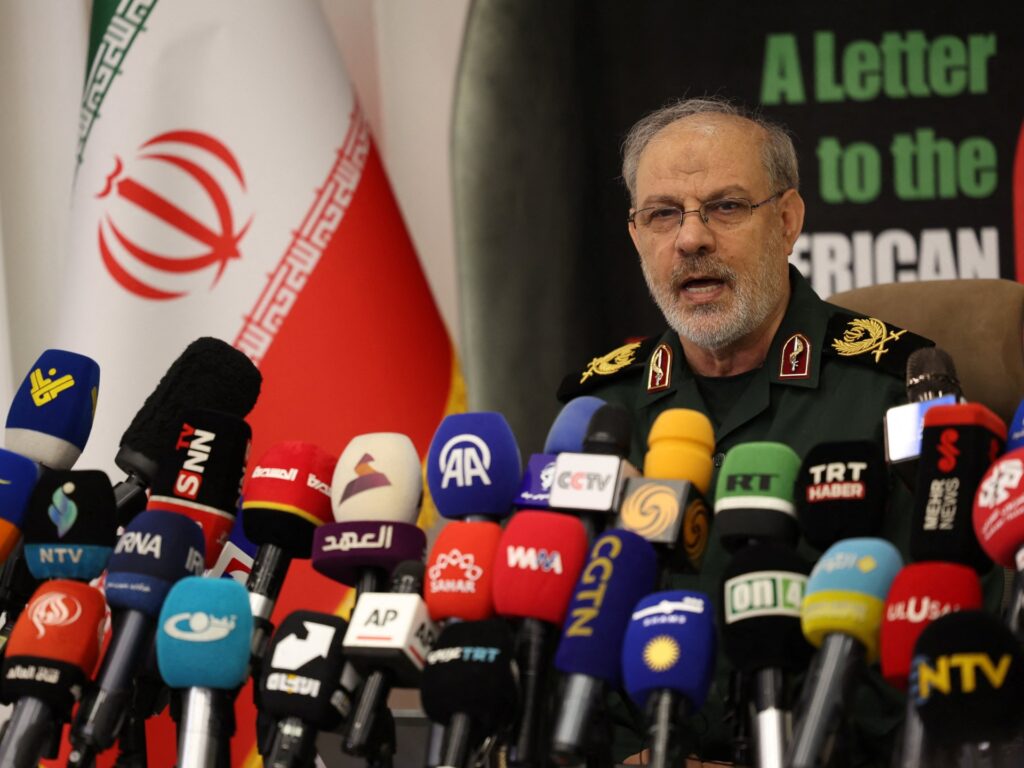
Tensions in the Strait of Hormuz have escalated as the Islamic Revolutionary Guard Corps (IRGC) of Iran has reportedly intensified its military actions, targeting ships that it claims are “violating” the waters. Iranian media sources, including Fars News Agency, have cited unnamed military personnel confirming massive explosions in the southern part of the Strait of Hormuz.
The Strait of Hormuz is a strategic waterway through which a significant portion of the world’s oil supply is transported. Iran’s IRGC has stated that they conduct nightly operations against ships violating Iran’s maritime boundaries, signaling a robust stance on protecting national waters and security. These declarations come amid ongoing regional tensions and international concerns over the free passage through this crucial maritime chokepoint.
Fars News Agency’s reports suggest that the explosions have been significant, affecting maritime traffic and raising alarms in neighboring countries and the global community. The IRGC’s naval forces are apparently engaging with unidentified vessels accused of breaching Iranian territorial waters, which Tehran considers a security threat.
These developments mark a continuation of the conflict dynamics in the Persian Gulf, where Iran has frequently warned against foreign naval presence and military exercises near its shores. The consistent night-time attacks reflect the IRGC’s strategy to deter and disrupt what it perceives as hostile activities within the Strait.
International responses to the IRGC’s announcements have been varied, with calls for restraint and the maintenance of open maritime routes. The situation keeps the Strait of Hormuz under close watch by global powers concerned about potential impacts on international trade and energy security.
Analysts suggest that the recent surge in military activity could be linked to broader geopolitical strategies, including responses to sanctions, regional rivalries, and the ongoing negotiations affecting Iran’s nuclear program.
Maritime experts warn that continued hostilities in the Strait could lead to heightened risks for commercial shipments and increase insurance costs for vessels operating in the region. This, in turn, could have ripple effects on global oil prices and economic stability.
The IRGC’s declaration of nightly targeting operations also underscores the militant group’s role in Iran’s defense and strategic posture, showcasing its capacity to operate aggressively in contested waters.
Citizens and businesses relying on the Strait of Hormuz for transportation and oil shipments are urged to stay informed about developments, as the situation remains fluid and potentially volatile.
In summary, the Iranian Revolutionary Guards Corps’ reported nightly attacks on ships in the Strait of Hormuz highlight a critical flashpoint in Middle Eastern geopolitics, emphasizing the need for vigilance, diplomatic engagement, and efforts to ensure maritime security in one of the world’s most vital shipping lanes.