The events of October 7 have marked a significant turning point in Lebanon’s political landscape, especially concerning Hezbollah’s strategic decisions and its broader implications. Analysts now reflect on how Hezbollah’s choice on October 8 to actively participate in what has been described as a ‘war of support’ for Gaza has transformed Lebanon’s political reality.
October 7 was a day of critical developments that reverberated deeply within Lebanon, a nation already grappling with internal divisions and regional pressures. Hezbollah, a powerful Lebanese Shiite militant group and political party, took a decisive step by committing itself openly to support Gaza, signaling a shift from its previous roles to a more direct involvement in regional conflicts.
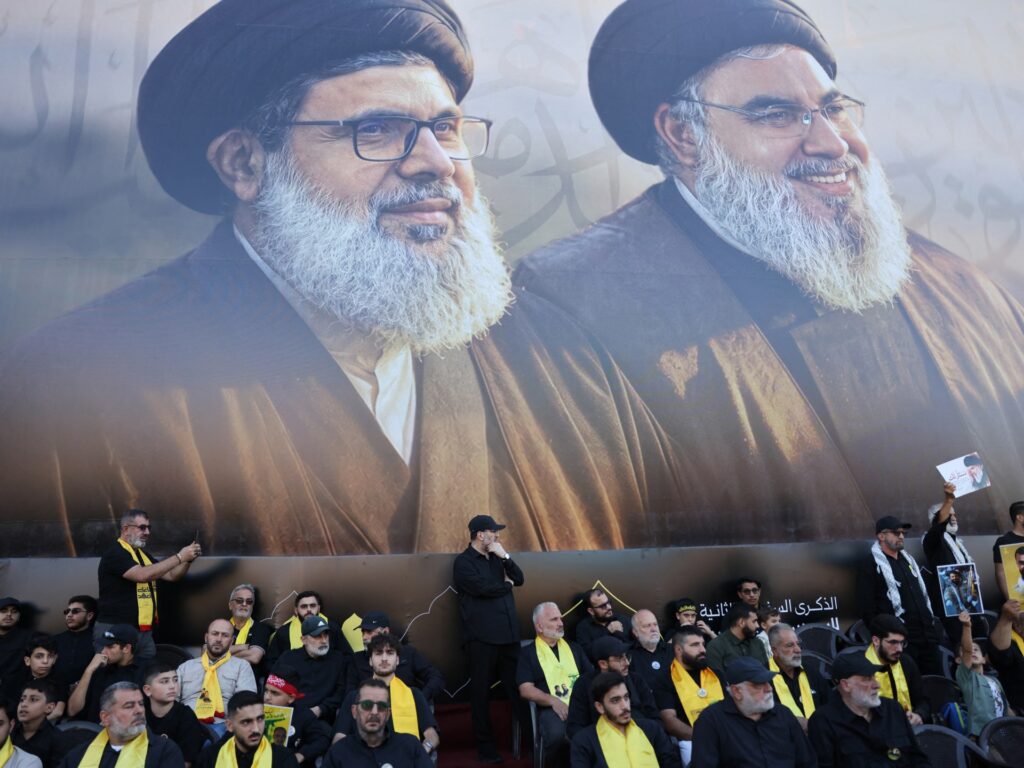
This decision has far-reaching consequences, affecting not only Hezbollah but also Lebanon as a whole. For Hezbollah, joining this war of support positions the group more prominently on the regional stage, aligning it closely with Palestinian factions in Gaza and heightening its confrontation with Israel and other regional actors.
Lebanon’s political reality is heavily shaped by the influence and actions of Hezbollah, which holds considerable power in government and society. The group’s entrance into a conflict scenario implies increased tensions within Lebanon, both internally and with neighbors. It also risks further complicating Lebanon’s precarious political balance, which is already marked by divisions between various sectarian and political factions.
Analysts suggest that this new reality may lead to shifts in Lebanese domestic politics, potentially consolidating Hezbollah’s influence as a key player in resistance narratives or sparking opposition from groups alarmed by the risks of escalation.
The decision also invites scrutiny from the international community, many of whom watch Lebanon carefully due to its strategic location and history of instability. Hezbollah’s engagement in the Gaza conflict may influence Lebanon’s international relations, possibly affecting aid, diplomatic ties, and economic conditions.
In conclusion, the aftermath of October 7 and Hezbollah’s subsequent joining of a war of support for Gaza heralds a new phase for Lebanon’s political and security situation. This development underscores the complexities of Middle Eastern geopolitics, where local decisions often have cascading impacts on national stability and regional relations. The path Lebanon will take in response to these changes remains a critical question for policymakers, analysts, and the Lebanese people themselves.