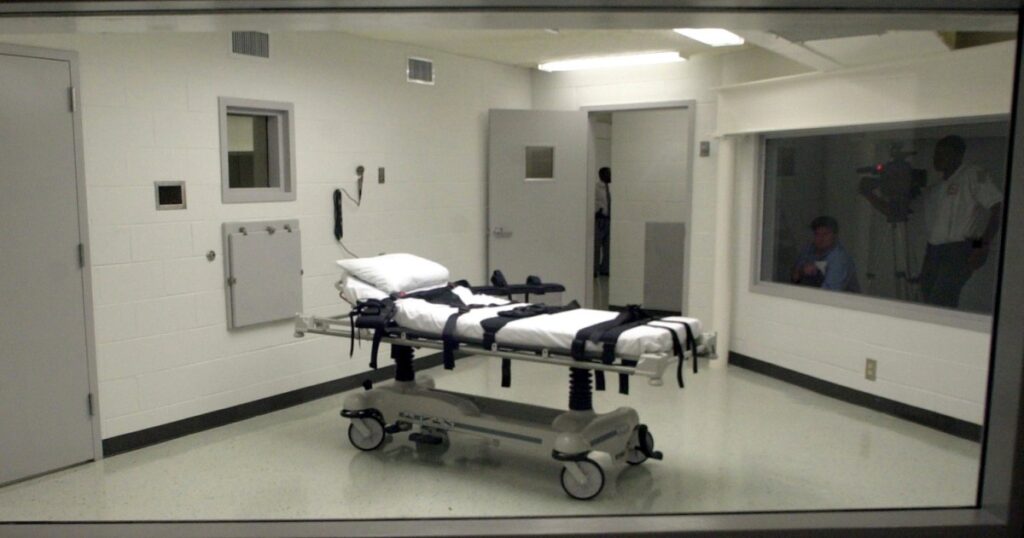
The case of Christa Pike, who was sentenced to death, has brought renewed attention to the ongoing issue of botched executions in the United States. Despite advances meant to make executions more humane, such as the use of lethal injection, incidents where executions do not go as planned remain frequent, sparking significant controversy and debate.
Lethal injection was introduced as a method to reduce the pain and suffering associated with earlier forms of execution, like electrocution or gas chambers. However, experts point out that lethal injection is often riddled with problems, including difficulties in finding veins, incorrect dosages of drugs, and improper administration. These complications have sometimes led to prolonged and painful deaths, contradicting the method’s intended purpose.
The Pike case illustrates these persistent flaws. Prior to her execution, experts warned about possible complications due to challenges in administering the drugs effectively. Nonetheless, the procedural mistakes reportedly persisted, underscoring systemic issues in the capital punishment protocols.
Beyond the technical difficulties, each botched execution raises profound ethical and legal questions. The Eighth Amendment of the United States Constitution prohibits cruel and unusual punishment, yet the repeated failures in carrying out executions raise concerns about whether this standard is being upheld.
Advocates for the abolition of the death penalty argue that these botched executions demonstrate the inherent human error and inhumane nature of state-sanctioned death. They call for a reevaluation of both the legality and morality of the death penalty. Meanwhile, proponents emphasize the need for reform and improved protocols if executions are to continue, aiming to ensure they conform to constitutional and humanitarian standards.
The debate surrounding the use of lethal injection and other execution methods continues to be a contentious topic. Cases like Christa Pike’s highlight the urgency for policymakers, legal experts, and human rights organizations to address the shortcomings in the system.
In conclusion, the Christa Pike case is a stark reminder of the complex challenges surrounding the implementation of capital punishment in the United States. While lethal injection was introduced as a supposedly more humane method, its frequent mishandling exposes ongoing problems. This situation prompts a critical examination of the death penalty, emphasizing the need for comprehensive reform or reconsideration of its use altogether.