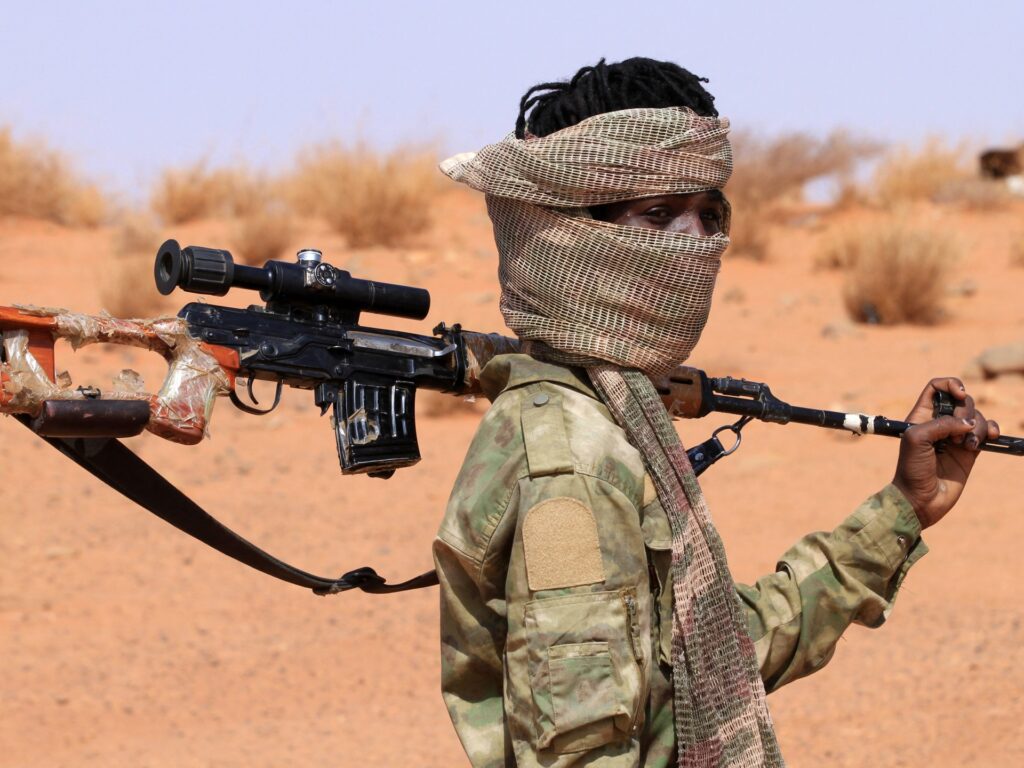
The United Nations has extended the arms embargo specifically targeting the Darfur region of Sudan, a measure aimed at curbing the flow of weapons into the conflict-ridden area. However, efforts led by the United States to broaden this embargo to cover the entirety of Sudan have been blocked by Russia and China, two permanent members of the UN Security Council.
The ongoing conflict in Sudan, particularly in the Darfur region, has drawn international attention due to its severe humanitarian impact. The original arms embargo was put in place to prevent further escalation of violence by restricting the influx of weapons to combatants in Darfur. The extension confirms the UN’s continued commitment to trying to manage the conflict and mitigate civilian suffering.
Despite widespread concern over the intensification of hostilities in other parts of Sudan, the US proposal to expand the embargo to the whole country was rejected, reflecting the complex geopolitical dynamics within the Security Council. Russia and China cited sovereignty concerns and potential implications for Sudan’s government as reasons for their opposition. They have generally favored more limited sanctions focused directly on the conflict zones rather than broad measures that could affect the entire nation.
The dispute highlights divergent approaches to international conflict management and sanctions enforcement. While Western powers have increasingly pushed for comprehensive measures to pressure all parties and address broader instability in Sudan, Russia and China insist on targeted actions that avoid what they consider overly punitive moves that might destabilize the government or worsen humanitarian conditions.
The continued fighting in Sudan has led to widespread displacement and a dire humanitarian crisis, with millions affected by violence, food insecurity, and disruption of basic services. Efforts at the UN and other international organizations to facilitate dialogue and peaceful resolution remain critical but face significant obstacles amidst the intense rivalry over sanctions policy.
The extension of the Darfur embargo signals the UN’s recognition that the conflict there remains unresolved and that restrictions on arms deliveries are still necessary despite the complexities of expanding sanctions. Meanwhile, the blockage of broader sanctions indicates the ongoing challenges in forging unified responses to crises that involve geopolitical interests and strategic alliances.
Moving forward, international actors will likely continue to seek a balance between effective sanctions and diplomatic engagement. The resolution of Sudan’s conflicts will require coordinated efforts that reconcile competing perspectives in the Security Council while addressing the urgent needs of affected populations. For now, the UN’s action represents both a cautious step to prevent further violence in Darfur and a reflection of the geopolitical tug-of-war shaping global peace and security initiatives.