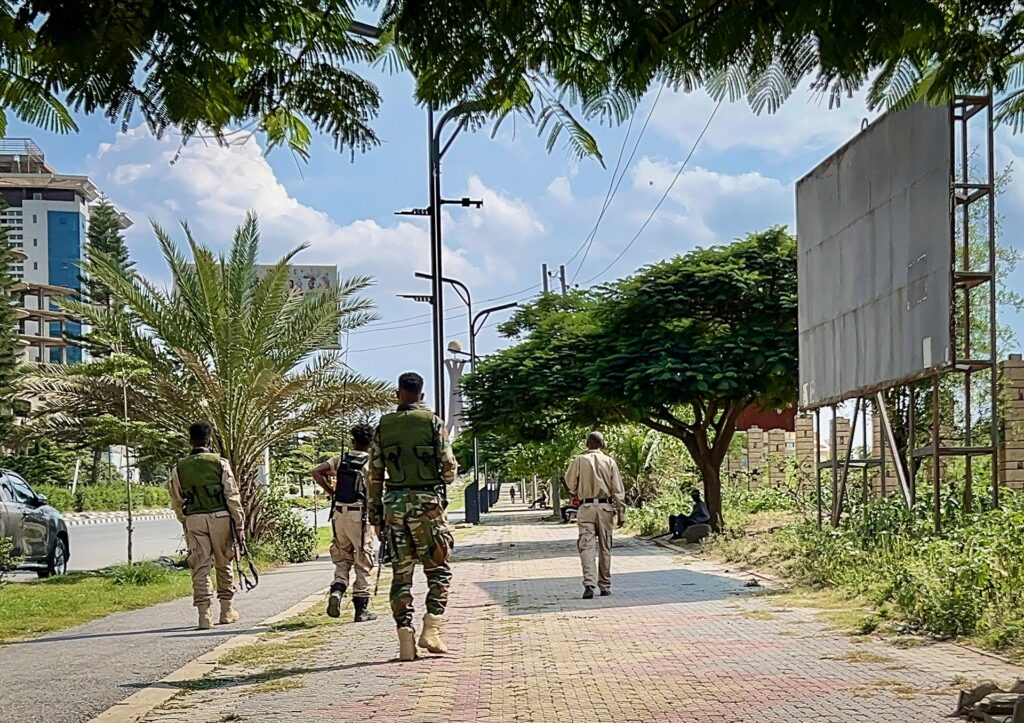
The conflict in Ethiopia’s northern Tigray region has escalated, drawing increasing concern over potential intervention by neighboring countries. The renewed war in Tigray, which began rekindling after a fragile peace, has put additional strain on Ethiopia’s regional relations, already tested by various political and security issues.
Tigray’s war originates from deep-rooted political and ethnic tensions between the federal government and the Tigray People’s Liberation Front (TPLF). After initial conflict flared in late 2020, a ceasefire and peace talks were attempted in 2022. However, fighting resumed, leading to instability that has repercussions beyond Ethiopia’s borders.
Ethiopia is located in a volatile region bordered by Eritrea, Sudan, South Sudan, Djibouti, Somalia, and Kenya. Each neighbor has different stakes and interests in the conflict, which could influence their decisions to intervene.
Eritrea, sharing a long and contentious border with Tigray, is widely reported to have actively participated alongside Ethiopian federal forces in previous phases of the war. Officially, Eritrea denies continued involvement, but its past actions and strategic interests in the region suggest it could remain indirectly influential.
Sudan, to the west of Ethiopia, has experienced border disputes with Ethiopia and hosts significant refugee flows from Tigray. There is concern that Sudan’s involvement could deepen, either through protecting its border regions or backing certain factions within Ethiopia. The instability could also exacerbate ethnic and political tensions within Sudan.
South Sudan and Kenya, while more removed, have strategic interests in the Horn of Africa’s stability for trade and security. Kenya has previously supported peace efforts in Ethiopia and might advocate for diplomatic solutions rather than military intervention.
Djibouti, Ethiopia’s crucial access point to the Red Sea, prioritizes stability to maintain shipping routes and economic connectivity. Djibouti’s government is likely to favor negotiation and may work with international partners to mediate.
Somalia, grappling with its own internal conflicts, may find limited capacity to intervene but remains a regional stakeholder concerned about the broader implications of unrest.
International powers and organizations, including the African Union and the United Nations, have urged restraint and called for dialogue. They recognize that cross-border conflict could further destabilize a region already challenged by humanitarian crises and armed conflicts.
In summary, while direct military intervention by Ethiopia’s neighbors is uncertain, the war in Tigray is testing regional diplomacy and security frameworks. The complexity of interests, historical ties, and the risk of spillover violence make the potential for intervention a subject of serious regional and international concern. Neighboring countries are likely to monitor developments closely and adjust their policies to protect national interests and regional stability.