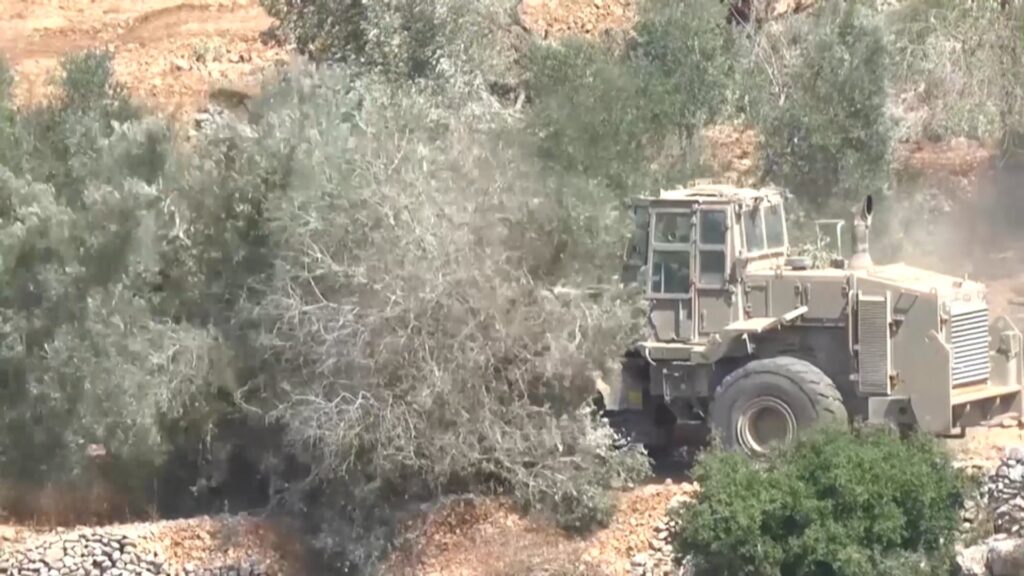
In recent times, Israeli settlers in the occupied West Bank have been systematically targeting the Palestinian olive harvest, causing widespread destruction to olive trees, a vital resource and symbol of Palestinian heritage and livelihood. This ongoing issue highlights the tension and conflict between Israeli settlers and Palestinian communities, further exacerbating the struggles faced by Palestinians in these areas.
Olive trees hold significant economic, cultural, and emotional value for Palestinians. The annual olive harvest is crucial for many Palestinian families as it provides a major source of income and sustains the agricultural backbone of their communities. The deliberate destruction of olive trees by settlers represents not only a loss of livelihood but also a blow to the Palestinian identity and connection to the land.
Reports indicate that Israeli settlers have engaged in acts such as uprooting, burning, and damaging olive trees across different parts of the West Bank. These acts often coincide with the olive harvest season, deliberately aiming to disrupt and diminish the Palestinian harvest. Local farmers regularly confront obstacles such as restricted access to their lands due to checkpoints, settler violence, and harassment, which complicate their efforts to protect and cultivate their crops.
The international community and various human rights organizations have condemned such actions, emphasizing that these practices violate international laws and human rights standards. The destruction of agricultural property used by civilians in occupied territories is widely viewed as an act of aggression and a form of collective punishment against the Palestinian population.
In addition to the direct damage to olive groves, this systematic targeting contributes to broader issues of displacement and land confiscation. Many olive groves are located in areas where Israeli settlements have been expanding, and the destruction of these trees can be seen as part of a strategy to increase settler presence and control over contested land.
Palestinian farmers often express their frustration and distress at the destruction of their crops. For many, olive trees are a family legacy, passed down through generations. The loss of these trees is not only an economic setback but also an emotional and cultural blow to Palestinian society.
Efforts to address this issue include calls for stronger protection mechanisms for Palestinian farmers and their agricultural lands. Advocates urge both local authorities and international bodies to take more decisive action to prevent further destruction and to hold perpetrators accountable.
The olive harvest season remains a poignant reminder of the ongoing conflict and the daily hardships faced by Palestinians living under occupation. Protecting these trees and the communities that depend on them is crucial for preserving Palestinian heritage and promoting peace and stability in the region.
In conclusion, the systematic targeting of Palestinian olive trees by Israeli settlers in the West Bank underscores the deep-rooted tensions and challenges in the area. It highlights the urgent need for comprehensive measures to safeguard Palestinian agricultural rights and to resolve the broader conflict that fuels such acts of destruction.