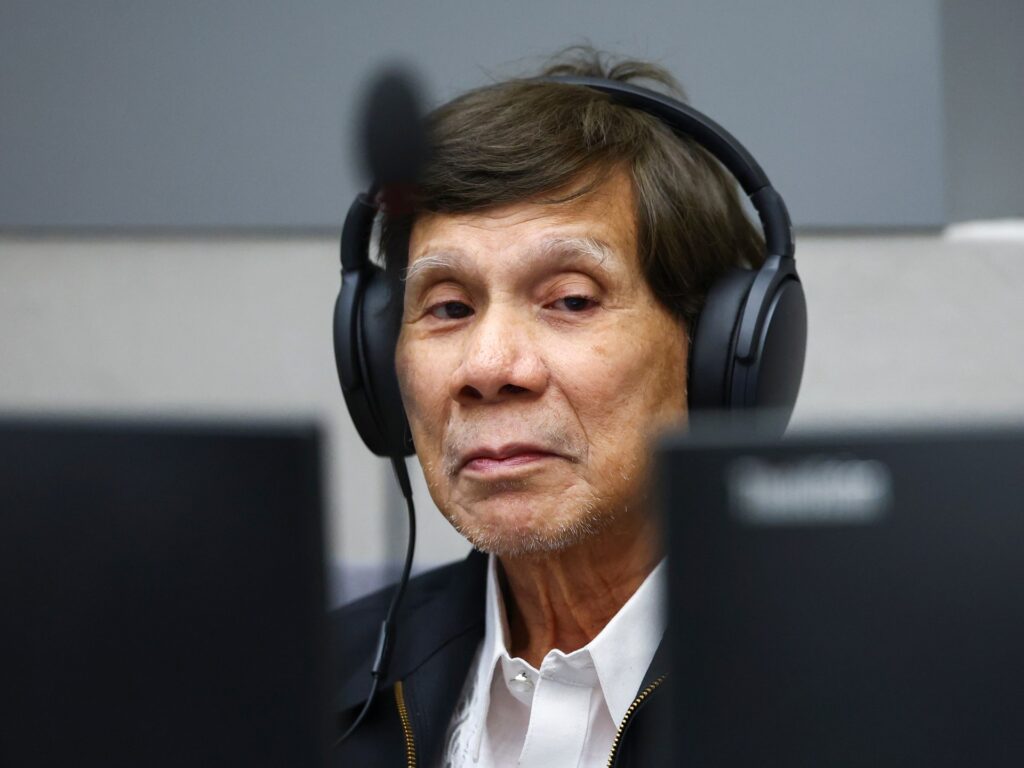
The International Criminal Court (ICC) has ruled that former Philippine President Rodrigo Duterte is fit to stand trial. A panel of experts appointed to evaluate Duterte’s mental and physical health concluded that he is capable of understanding the charges against him and can follow the trial proceedings. This ruling marks a significant development in the ICC’s case concerning allegations related to Duterte’s controversial war on drugs, which has drawn widespread international criticism for alleged human rights violations.
Former President Duterte, who led the Philippines from 2016 to 2022, has faced accusations of crimes against humanity due to his administration’s aggressive anti-drug campaign. The campaign reportedly resulted in thousands of extrajudicial killings. Despite Duterte’s denial and dismissal of ICC jurisdiction, the court has proceeded with the investigation.
The medical assessment of Duterte was a critical step in the pre-trial phase, ensuring that he meets the legal standards to participate in his defense. The experts found no evidence of cognitive disorders or other conditions that would impair his ability to comprehend the legal process.
The ICC prosecution alleges that Duterte and his associates deliberately and systematically targeted alleged drug offenders, violating international law. The trial, anticipated to be a landmark case, could potentially hold a former head of state accountable for such actions on a global stage.
Supporters of Duterte argue that the ICC process is politically motivated and infringes on Philippine sovereignty. Nonetheless, the ICC maintains its mandate to pursue accountability and justice for victims of alleged crimes against humanity.
This ruling could set a precedent for how international courts handle similar cases involving former leaders accused of serious human rights violations. The trial proceedings are expected to be closely watched by human rights advocates, legal experts, and the international community alike.
As the court prepares to move forward with the trial, questions remain about the impact of this case on the Philippines’ judicial system and its broader political landscape. Duterte’s legal team is likely to challenge various aspects of the prosecution’s case, potentially prolonging the judicial process.
Ultimately, the ICC’s decision underscores its commitment to upholding the principles of justice and accountability, regardless of an individual’s position or status. It also sends a message about the international community’s intolerance for impunity in cases of grave human rights abuses.