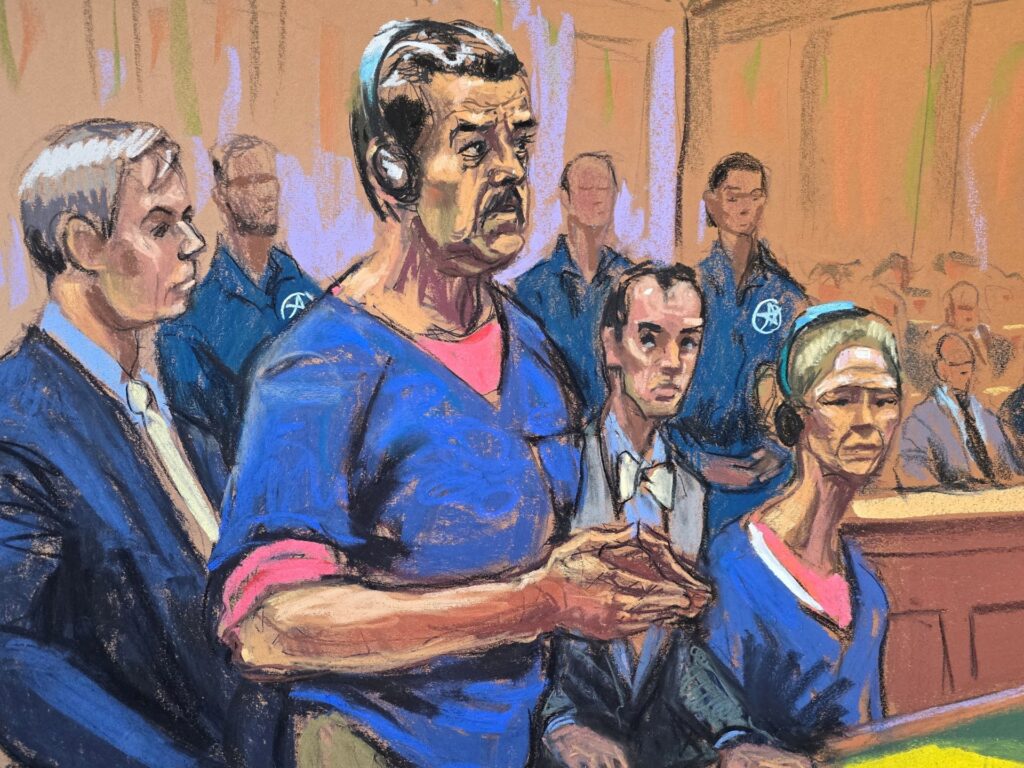
Venezuela’s former president Nicolas Maduro and his wife have been hit with new charges in the United States, this time over allegations of torture. These charges build upon an already existing US indictment accusing the couple of involvement in drug trafficking operations.
The new allegations portray Maduro and his wife as part of a web of abuses against political opponents in Venezuela during his presidency. Torture claims have added a grave human rights dimension to the legal actions pursued by the United States.
According to US prosecutors, Maduro and his wife allegedly orchestrated the use of severe torture methods on political detainees to suppress dissent and maintain power. This reflects a broader pattern of repression the Maduro regime has faced internationally.
The legal move underscores the ongoing tensions between Venezuela and the United States, highlighting concerns over authoritarianism, corruption, and human rights abuses. The US has long accused Maduro’s government of undermining democracy and fostering criminal networks linked to drug trafficking.
Maduro’s administration has consistently denied such allegations, accusing the US of interference and political manipulation. However, the new charges intensify international scrutiny and deepen the legal jeopardy facing the former leader and his family.
Experts note that these charges could complicate diplomatic efforts to resolve Venezuela’s political crisis, reinforcing the stigmatization of Maduro’s leadership on the global stage.
Human rights organizations welcome the US decision as an important acknowledgment of the suffering endured by Venezuelan political prisoners. They argue this action brings much-needed attention to systematic abuses by the Maduro regime.
The combined charges for drug trafficking and torture paint a disturbing image of Venezuelan governance under Maduro’s tenure. They illustrate the complex challenges in addressing corruption while promoting justice and accountability in the country.
Amid economic turmoil and social unrest, Venezuela continues to grapple with its political future. The US legal actions contribute to the layered dynamics influencing this ongoing crisis.
International observers will be watching closely as the case progresses, with potential ramifications for regional politics and US-Venezuela relations.
This heightened legal pressure may influence other countries’ policies toward Venezuela and its leaders, prompting increased diplomatic isolation or calls for reform.
Ultimately, the charges against Nicolas Maduro and his wife highlight critical concerns over human rights, the drug trade, and authoritarian rule in Venezuela. They serve as a stark reminder of the complex issues the nation must confront to move forward toward democratic governance and respect for human rights.