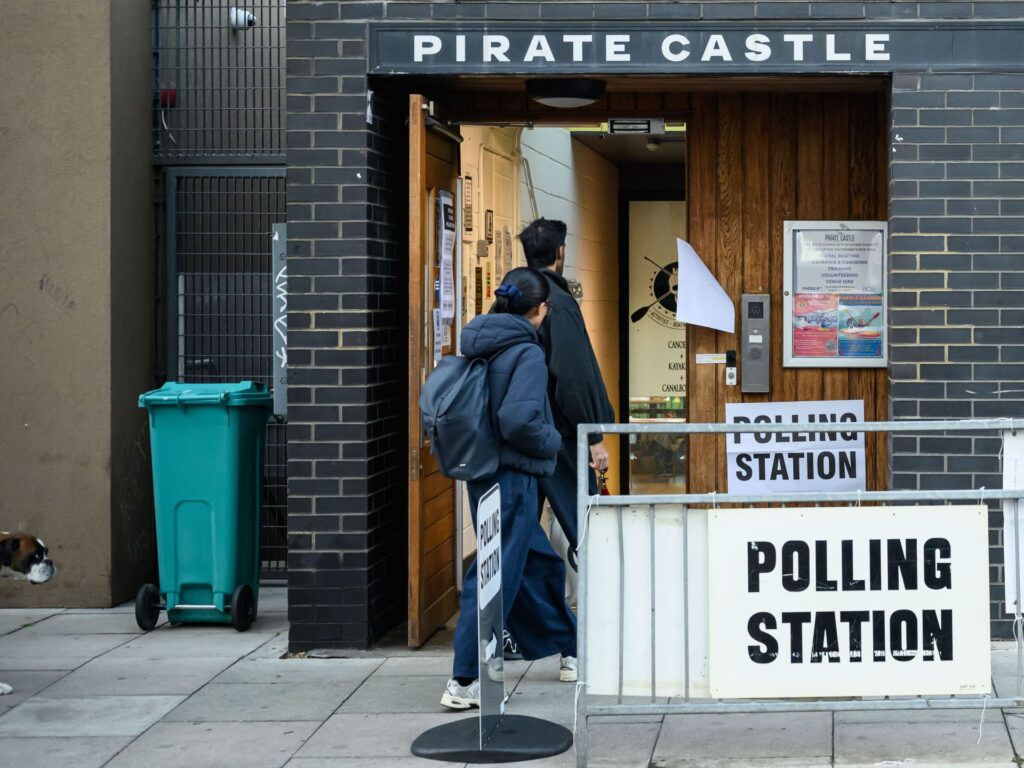
On a significant day in London’s political calendar, voters in the Holborn and St Pancras constituency are heading to the polls for a by-election that has garnered considerable attention across the capital. This election is viewed as a critical test of whether Labour, under its current leadership, can regain voter confidence and reestablish its influence in a key parliamentary seat.
Holborn and St Pancras, a vibrant and diverse district in central London, has historically been a Labour stronghold. However, recent political shifts and challenges have made the outcome of this by-election particularly uncertain. The seat’s previous MP vacated the position, necessitating this electoral contest that now serves as a barometer for Labour’s standing among its traditional supporters and the broader electorate.
The by-election comes at a time when the Labour Party, led by its new leadership team, is striving to rebuild trust and demonstrate its relevance amid a changing political landscape. The party’s strategist, often referenced in media discussions as Burnham, is at the forefront of efforts to restore faith among voters who may have become disillusioned by past political turmoil or policy disagreements.
Campaigning in Holborn and St Pancras has been intense, with candidates from Labour and other parties engaging the local community on pressing issues such as housing, healthcare, public transport, and economic recovery post-pandemic. The constituency’s socio-economic diversity means that voter concerns are broad and varied, reflecting the complexities of urban life in one of London’s most dynamic boroughs.
Observers note that the turnout and results of this by-election will provide valuable insights into Labour’s trajectory and potential strategies for upcoming national elections. A strong performance could signal a resurgence in Labour’s fortunes, emboldening the party to pursue ambitious policy goals and reinforce its presence in Parliament.
In contrast, a disappointing result for Labour could prompt introspection within the party’s ranks, potentially leading to strategic reassessments or leadership debates. Such an outcome might also embolden opposition parties looking to capitalize on any perceived weaknesses.
Residents of Holborn and St Pancras are voting not only to select their next MP but also to voice their perspectives on the direction of political leadership in their community and across London. The by-election thus carries significance beyond the constituency, reflecting broader trends and public sentiment about governance, representation, and future policies.
As ballots are cast, all eyes remain on Holborn and St Pancras to see if Labour can indeed reconnect with its base and persuade undecided voters of its renewed commitment to addressing the challenges facing Londoners today. The results, expected soon after the polls close, will undoubtedly shape political conversations in the capital and potentially influence the national political climate in the months to come.