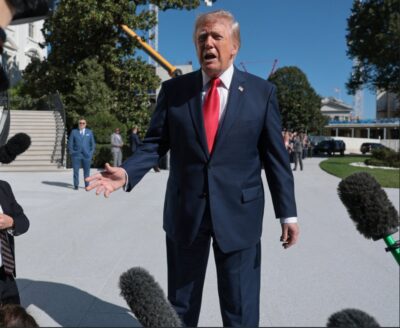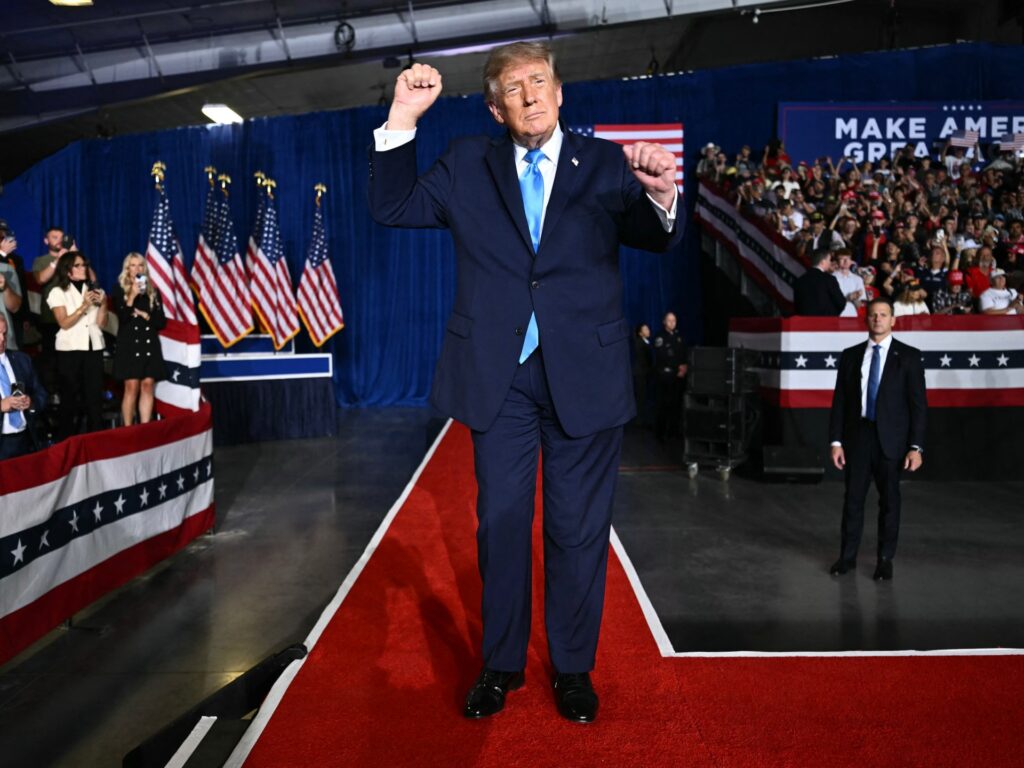
A recent poll has revealed widespread opposition among Americans to the taxpayer-funded advertisements promoting former President Donald Trump’s vision of a so-called ‘golden age.’ The ads, which highlight Trump’s political achievements and future agendas, have stirred controversy regarding their funding source. Despite Trump’s claims that he will personally pay for future ads, the White House has clarified that taxpayers will not be reimbursed for the previously aired campaigns.
The poll indicates that a significant majority of the American public is against using taxpayer money for political advertising, particularly those related to Trump’s self-promotion. Critics argue that such ads divert public funds from essential government services and disproportionately benefit a specific political figure rather than serving the interests of all citizens.
Supporters of Trump’s advertisements contend that the ads inform the public about key policy successes and initiatives undertaken during his tenure, which they argue justifies the expenditure. Nevertheless, the backlash from many quarters suggests a growing concern over the appropriate use of public resources.
The debate over these ads has intensified as Trump announced plans to continue running promotional campaigns ahead of upcoming elections. His statement asserting that he will finance these efforts personally aims to quell fears about further taxpayer expenses. However, skepticism remains among opponents who question the transparency and accountability of the funding arrangements.
The White House statement emphasizing no reimbursement for past ads has not fully reassured critics who demand clearer guidelines on political advertising funded by public money. Experts point out that government-funded ads should primarily inform citizens about services and public health, not serve as platforms for political messaging.
This controversy highlights broader issues related to political communication and public trust. Questions have been raised about the ethical implications of using government platforms and funds for what some perceive as political propaganda. The discussion reflects ongoing tensions in American politics regarding campaign finance, media influence, and the intersection between government and party politics.
The findings of the poll also suggest potential repercussions for future political campaigns, with candidates possibly facing increased scrutiny over their advertising budgets and funding sources. Transparency advocates call for stricter regulations to prevent misuse of public funds and ensure fairness in political advertising.
As the debate unfolds, it remains uncertain whether legislative or policy changes will be implemented to address these concerns. Meanwhile, the issue serves as a reminder of the challenges in balancing effective communication of government achievements with ethical standards and taxpayer accountability.
In summary, the strong public opposition to Trump’s taxpayer-funded ‘golden age’ ads, as reflected in the recent poll, underscores the complexities surrounding political advertising funding. While Trump vows to bear future costs himself, past expenditures remain a contentious topic, shedding light on the broader discourse about the responsible use of taxpayer money in political campaigns.