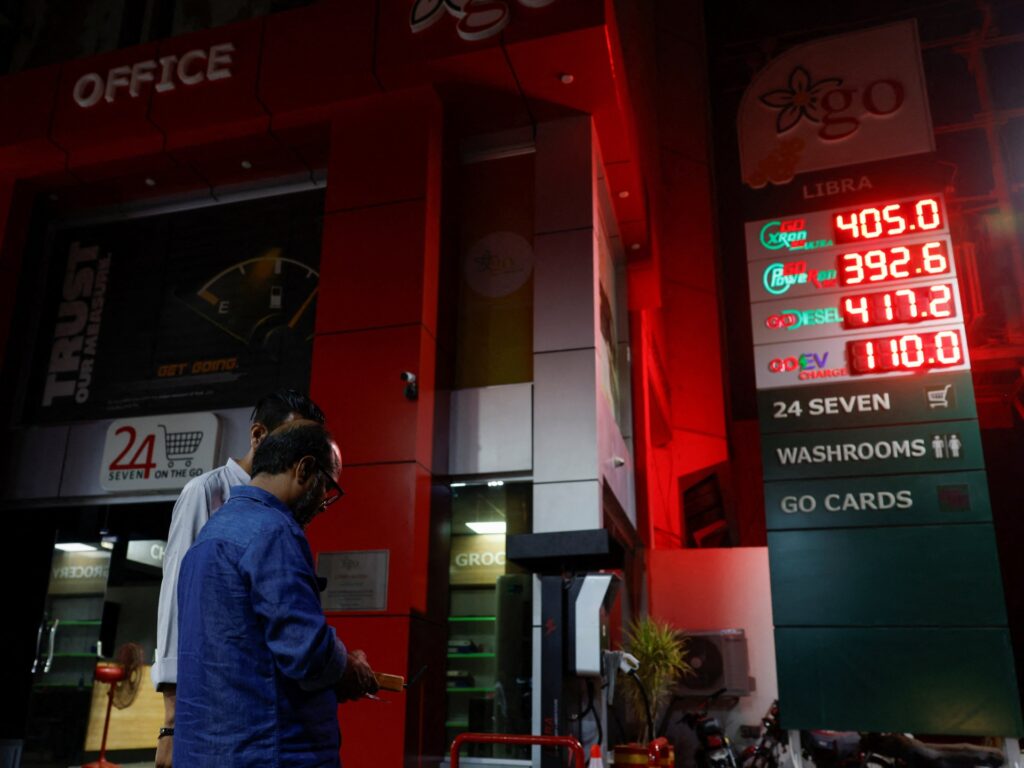
In response to rising global fuel prices and domestic economic pressures, the Pakistani government has introduced a substantial petrol subsidy scheme aimed at providing relief to millions of its citizens. This initiative has been widely welcomed as a necessary step to alleviate the financial burden on average households and businesses struggling with elevated fuel costs.
The subsidy program has effectively lowered the pump price of petrol across the country, ensuring that millions of Pakistanis benefit from more affordable fuel. This measure is significant given that fuel expenses represent a considerable portion of everyday living costs and directly impact inflation rates, transportation charges, and the cost of goods and services.
Despite the broad reach of the subsidy, economists and policy analysts have raised concerns about the inclusivity of this relief. They argue that while many have benefited, some of the most vulnerable segments of the population, who arguably need the assistance the most, remain outside the subsidy net. This discrepancy is attributed to multiple factors, including the method of subsidy distribution and the lack of comprehensive targeting.
Most subsidies target broad population groups using general mechanisms rather than means-tested approaches. This can lead to wealthier individuals, who consume more fuel, benefiting disproportionately compared to poorer citizens, who may use less fuel but have fewer resources to cope with price hikes.
Additionally, the subsidy program has been criticized for its potential fiscal strain on the government. Subsidizing fuel reduces government revenues, affecting public spending in other critical areas such as healthcare, education, and infrastructure. Economic experts warn that prolonged subsidies without proper targeting might not be sustainable in the long run.
There is also a discussion around the environmental impacts of fuel subsidies. By making petrol cheaper, subsidies may inadvertently encourage higher fuel consumption, thus increasing pollution and carbon emissions, which contradicts broader environmental and climate goals pledged by Pakistan.
In response to these challenges, some economists recommend the adoption of more targeted subsidy mechanisms. Suggestions include direct cash transfers to the poorest households and improved fuel consumption tracking to ensure subsidy benefits align with economic need. Such reforms could make subsidies more effective and equitable while mitigating fiscal risks.
Moreover, an emphasis on strengthening public transportation and promoting alternative energy sources could provide long-term solutions to fuel cost pressures and environmental concerns. Enhancing infrastructure for electric vehicles and investing in renewable energy could gradually reduce dependency on fossil fuels and promote sustainable economic growth.
In conclusion, while the Pakistani government’s fuel relief effort has provided immediate financial respite to millions, it brings to light critical considerations regarding subsidy sustainability, fiscal health, economic equity, and environmental impact. Policymakers face the delicate task of balancing short-term relief with long-term developmental goals, ensuring that assistance reaches those who need it most without compromising the nation’s economic and environmental future.