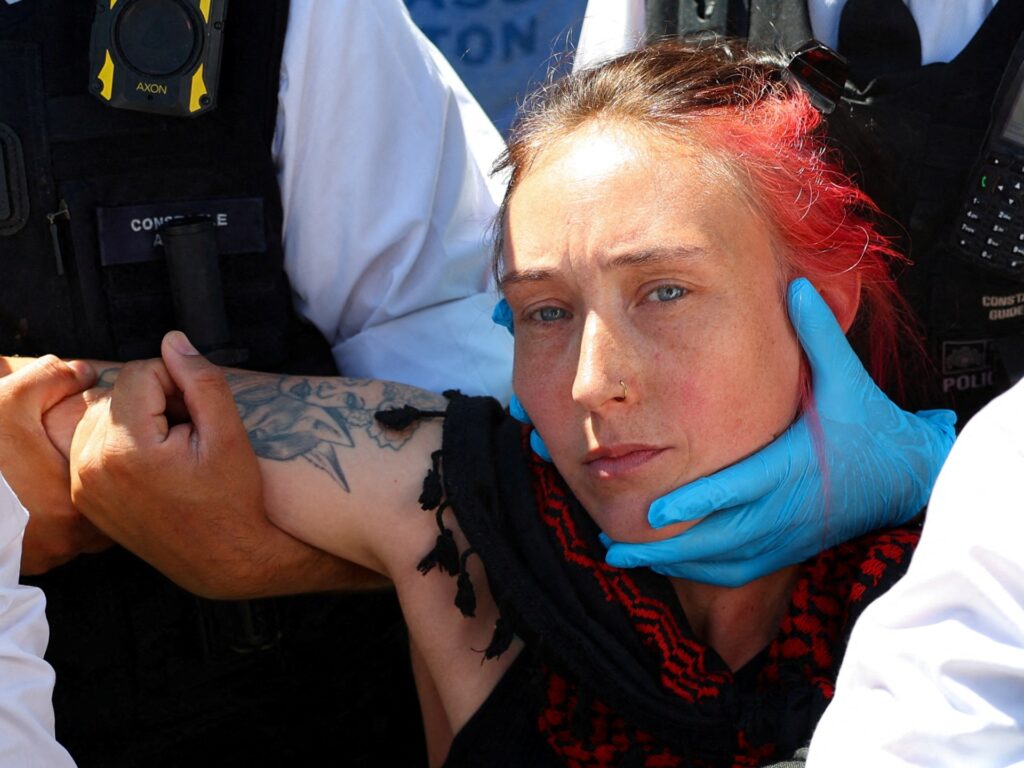
In recent years, the situation in Gaza has captured global attention and elicited strong reactions worldwide, with particular resonance in the United Kingdom. The conflict and humanitarian crisis unfolding in Gaza, often described by activists as genocide, has mobilized many Britons into solidarity with Palestinians.
This surge in pro-Palestinian activism in Britain arises amid ongoing Israeli military operations in Gaza, which have resulted in substantial civilian casualties and widespread destruction. The events have been widely condemned by international organizations and rights groups, framing them as grave violations of humanitarian law.
Britons drawn into the Palestine movement come from diverse walks of life—students, artists, academics, and everyday citizens alike are finding their voices and platforms to advocate for Palestinian rights. This engagement goes beyond mere sympathy; it reflects a profound commitment to justice, human rights, and opposition to what many perceive as oppressive state policies.
A striking feature of this movement is the willingness of individuals to risk their freedom and reputations by publicly dissenting against their government’s stance. The UK government’s policy has been criticized by activists for perceived alignment with Israeli actions and for failing to hold Israel accountable for alleged war crimes. In response, activists have organized protests, sit-ins, and educational campaigns, often facing legal challenges and media scrutiny.
The activism has significantly reshaped public discourse in Britain, pushing issues of Palestinian rights and Middle Eastern geopolitics into mainstream debate. Campaigners have successfully pressured institutions, including universities and local councils, to adopt positions supportive of Palestinian self-determination, sometimes invoking motions for boycotts and divestments from companies linked to Israeli state actions.
Many activists stress that their involvement stems from a moral imperative to oppose injustice wherever it occurs. They highlight the disproportionate impact on Palestinian civilians, particularly women and children, caught in the crossfire. This humanitarian framing has helped to mobilize wider public support and bridge political divides.
However, the activism in Britain also encounters considerable opposition, including accusations of bias or anti-Semitism. Activists maintain that their fight is against policies and the occupation, not against any ethnic or religious group. This nuanced stance underscores the complexity and sensitivity of the debate.
As the conflict in Gaza continues to unfold, the British pro-Palestinian movement is expected to remain a dynamic force influencing both public opinion and policy discussions. By challenging their government’s foreign policy and advocating for the rights of Palestinians, these Britons are contributing to a broader global movement for justice and human rights.
Ultimately, the crisis in Gaza has not only exposed the harsh realities faced by Palestinians but has also illuminated the power of popular activism to galvanize international solidarity, even at personal risk. The experience of Britons who stand with Palestine is a testament to the enduring global struggle for dignity, freedom, and peace.