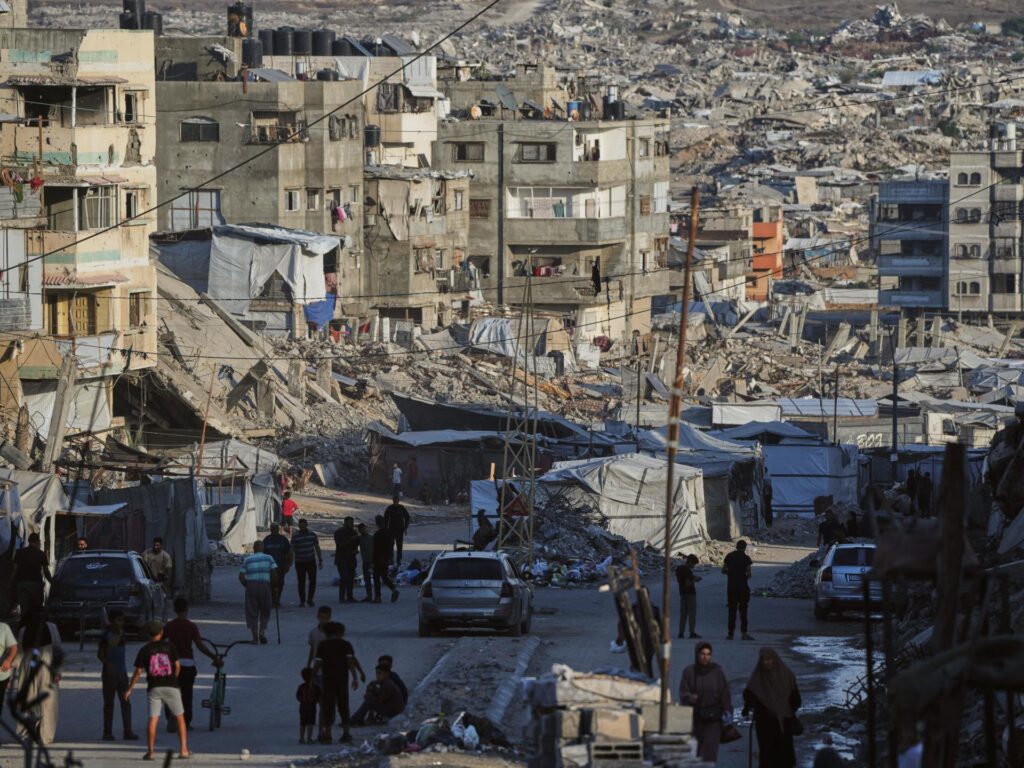
The three years of relentless conflict in Gaza have wrought profound changes on the region, leaving a trail of devastation that touches every aspect of life. This period of war, often described by many as genocidal due to its devastating human and infrastructural toll, has severely impacted Gaza’s economy, education, healthcare, infrastructure, and public services, irreversibly transforming its social and physical landscape.
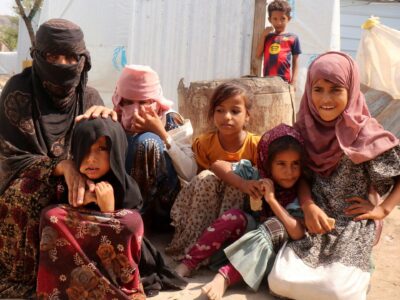
Economically, Gaza has been crippled by the ongoing conflict. Blockades, destruction of businesses, and the disruption of trade routes have decimated livelihoods and increased poverty rates significantly. Many families face extreme financial hardship as traditional sources of income have dried up, forcing reliance on humanitarian aid and leaving a large portion of the population unemployed.
Education in Gaza has not been spared either. Schools have been damaged or entirely destroyed due to airstrikes and ground operations. This has led to interruptions in the academic calendar, overcrowded classrooms when some facilities are operational, and a disruption in the quality of education. Children have been emotionally affected as well, with many experiencing trauma or displacement that further hinders their learning abilities.
Healthcare systems in Gaza have been pushed to the brink. Hospitals and clinics have suffered physical damage while also dealing with shortages in medical supplies, electricity, and clean water. The constant influx of injured civilians strains medical staff, revealing critical vulnerabilities in healthcare provision and amplifying the humanitarian crisis. Chronic conditions have worsened with limited access to care, and mental health services are critically under-resourced.
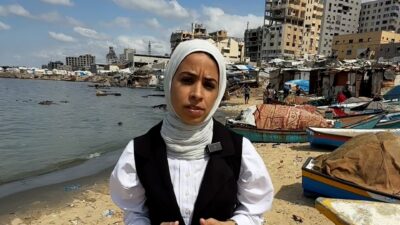
Infrastructure across Gaza — including water, electricity, and sanitation services — has been severely degraded. Power outages are frequent and prolonged, clean water supplies are scarce, and sewage treatment is inadequate, creating public health risks. Road networks and communication systems are fractured, complicating movement and aid delivery.
Public services have similarly deteriorated. Administrative systems struggle amid the chaos, and essential services such as waste collection and social welfare programs operate below capacity. Civic programs to support vulnerable groups face logistic and funding challenges, exacerbating the difficulties faced by Gazans living under siege.
The war has also had a profound psychological impact. The constant threat of violence, loss of homes and loved ones, and enforced immobility have increased rates of PTSD, anxiety, and depression among Gaza’s population. The social fabric has been strained as families and communities cope with grief and trauma.
As Gaza looks toward the future, the scars of the past three years of conflict will not easily fade. Reconstruction efforts face political and logistical hurdles, and the international community’s role in supporting rebuilding and development remains crucial. Without concerted efforts to address the multifaceted impacts of this prolonged conflict, Gaza’s recovery will remain a distant hope.
In conclusion, three years of war have devastated Gaza, transforming it beyond recognition. The economic collapse, educational disruptions, healthcare crises, degraded infrastructure, and overwhelmed public services paint a stark picture of a region enduring immense suffering and hardship. Yet, amidst this devastation, the resilience of Gaza’s people continues to shine — a testament to their spirit in the face of ongoing adversity.