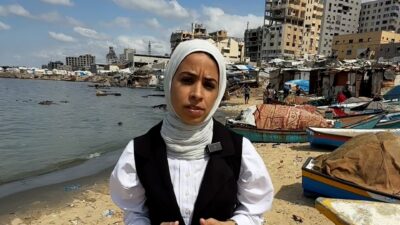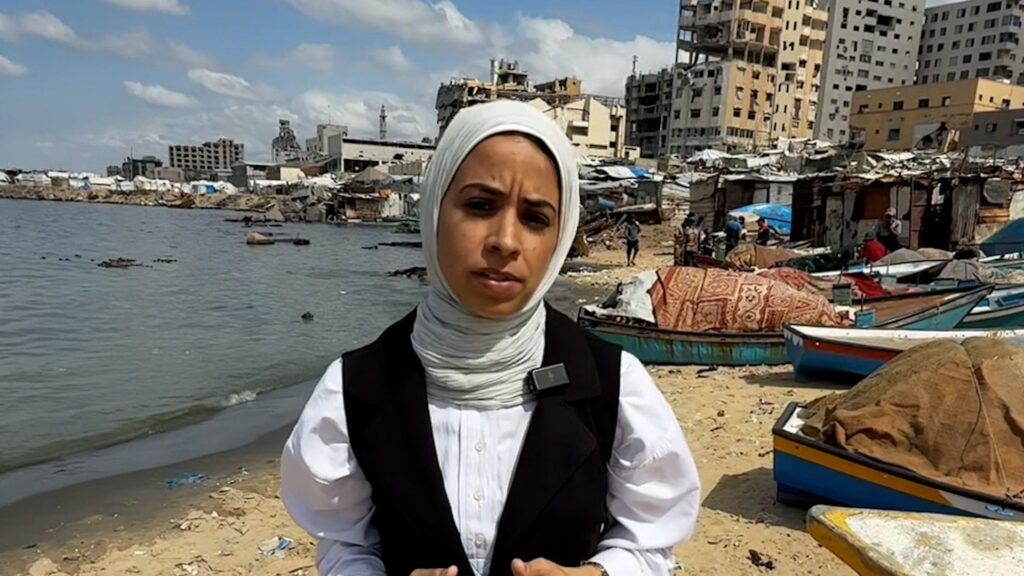
Gaza City, once a bustling hub of fishing and tourism with its vibrant port, has undergone a profound and tragic transformation following the recent Israeli military actions described by some as genocide. The port of Gaza City, historically central to the livelihood of many residents, symbolized economic vitality and cultural interaction. However, the violent conflict has left it heavily damaged, severely limiting its operational capacity and drastically altering the economic landscape of the region.
Before the devastation, the port served as a critical point for fishing boats venturing into the Mediterranean, providing ample income and sustenance to the local communities dependent on the sea. It was also a gateway for tourism, with visitors attracted to Gaza’s heritage sites and coastal beauty, contributing further to the city’s economy.
The aftermath of the conflict has seen widespread destruction of infrastructure, including docks, warehouses, and the fishing fleet. Satellite images and ground reports reveal rubble replacing piers and boats sunk or severely damaged, leaving fishermen without means to pursue their trade. The collapse of this industry has led to a sharp increase in unemployment and economic despair.
Tourism, once a promising sector with potential for growth, has plummeted as safety concerns and the destruction of key sites deter visitors. Hotels and local businesses that depended on tourism revenue are struggling to survive as the city grapples with ongoing instability and humanitarian crises.
Beyond the economic impact, the psychological and social effects on Gaza’s population are profound. Communities that once thrived around the port’s activities find themselves displaced, facing scarcity of resources and limited access to essential services. The blockade and restrictions imposed post-conflict exacerbate conditions, impeding reconstruction efforts and prolonging humanitarian suffering.
Environmental damage is also evident; debris and pollutants have contaminated the coastal waters, further depleting fish stocks and harming marine biodiversity. This environmental degradation complicates any immediate recovery of the fishing sector and affects food security for Gaza’s residents.
International responses have called for urgent humanitarian aid and renewed peace efforts, yet the ground realities present significant challenges. Rebuilding Gaza’s port and restoring its economic functions will require comprehensive support and international cooperation.
Journalists like Al Jazeera’s Maram Humaid provide crucial on-the-ground reporting, highlighting not only the destruction but also the resilience of Gaza’s people. Their stories reveal a population determined to survive and rebuild despite overwhelming odds.
In summary, the devastating impact of Israel’s military actions on Gaza City’s port has reshaped the city’s economic, social, and environmental fabric. The once lively hub of fishing and tourism now stands as a symbol of loss and the pressing need for humanitarian intervention and sustainable reconstruction efforts to restore hope and livelihood to Gaza’s residents.