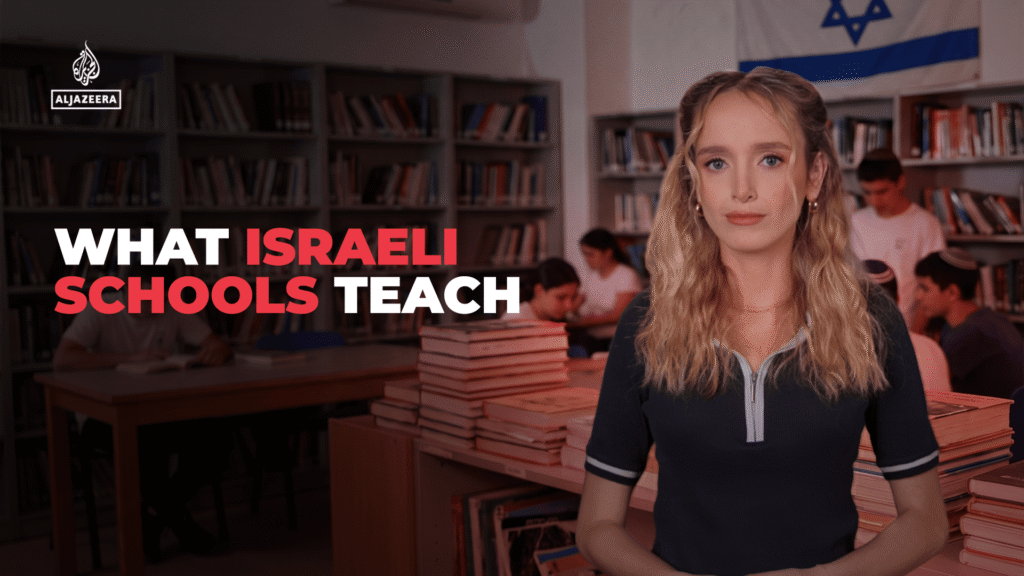
Israeli schools provide a diverse and comprehensive education that reflects the country’s rich cultural heritage, democratic values, and technological advancement. The curriculum in Israeli schools is designed to offer students a well-rounded education while preparing them for the complexities of modern society.
Core subjects in Israeli schools include Hebrew language and literature, mathematics, science, history, geography, and English as a second language. Hebrew, being the official language of Israel, is emphasized heavily to help students connect with their cultural roots and communicate effectively within the country. English is taught to equip students with essential global communication skills.
History and social studies play a significant role in the curriculum, with an emphasis on Jewish history, Israeli history, and the history of the region. Students learn about the Holocaust, the formation of the State of Israel, and the diverse populations living within its borders. This helps foster a strong sense of identity and citizenship.
Science education in Israel is robust, with a strong focus on technology and innovation. Israeli schools encourage critical thinking, analytical skills, and problem-solving through hands-on experiments and projects. This approach has contributed to Israel’s reputation as a “Start-Up Nation,” nurturing future scientists and engineers.
In addition to academic subjects, Israeli schools also emphasize values such as democracy, human rights, and social responsibility. Civil education programs teach students about the importance of participation in democratic processes and respect for diversity.
Religious education varies depending on the type of school. Secular schools offer a more general overview of Jewish traditions, while religious schools include in-depth studies of Jewish law, texts, and customs. Arab schools and other minority schools incorporate their own cultural and religious studies into the curriculum.
Physical education and arts are integral parts of the learning experience, promoting a balanced lifestyle and creative expression. Extracurricular activities often include music, dance, theater, and sports.
Overall, Israeli schools aim to equip students with knowledge, skills, and values to navigate a complex world, appreciate their heritage, and contribute positively to society. The education system continually evolves to meet new challenges and opportunities, reflecting Israel’s dynamic and diverse population.