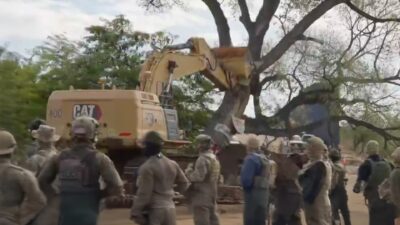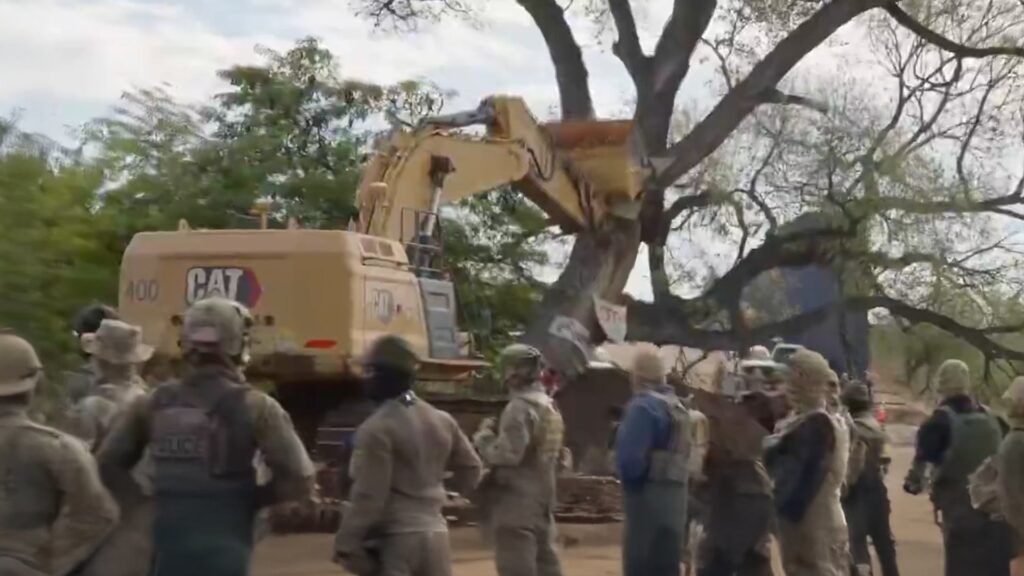
In a controversial move stirring public outcry and environmental concern, a nearly 200-year-old cottonwood tree, one of the oldest natural landmarks in the southern United States, has been cut down to make way for the expansion of the US-Mexico border wall. This removal is part of a larger project to build a 44-kilometer double border barrier aimed at strengthening border security.
The cottonwood, estimated to be as old as the United States itself, symbolized a living piece of natural and historical heritage. Local communities, environmentalists, and indigenous groups voiced strong protests, emphasizing the tree’s importance not only as a natural specimen but also as a cultural symbol across decades.
Despite these protests, government authorities have proceeded with the construction, prioritizing the border wall expansion over the preservation of this ancient tree. The project aims to improve security and manage immigration at the southern border; a key issue in US national policy.
Environmental experts warn that removing such old trees disrupts local ecosystems, affects biodiversity, and contributes to habitat loss for native wildlife. Cottonwood trees, known for their tolerance to arid conditions and their role in stabilizing riverbanks, play a crucial role in maintaining environmental health along the border regions.
Community leaders and environmental organizations are renewing their efforts to advocate for more sustainable and less destructive border security measures. They argue for technological alternatives such as enhanced surveillance systems and drones that could secure the border while preserving the natural environment.
The removal of the cottonwood also raises broader questions about environmental conservation versus infrastructural development, a debate playing out in many places around the world. It highlights the ongoing tensions between national security interests and environmental stewardship.
This incident has mobilized support for legislation that would protect ancient and significant trees and natural landmarks from future destruction in development projects. Public awareness campaigns are also underway to educate people about the ecological and cultural importance of preserving such historic natural resources.
As the wall construction continues, the fate of other natural landmarks in the region remains uncertain. The case of the cottonwood tree serves as a poignant reminder of the environmental costs tied to large-scale infrastructural expansions, prompting calls for a more balanced approach to border security and environmental care.
The loss of the cottonwood tree is mourned by many as a symbol of a heritage lost and a cautionary tale for the future. It underscores the need to find harmony between growth, security, and nature conservation, challenging policymakers, communities, and activists alike to reconsider how development projects are planned and executed.
In conclusion, the cutting down of the 200-year-old cottonwood tree marks a significant moment in the ongoing dialogue between human progress and environmental preservation. It calls for a reassessment of priorities to ensure that historical and natural treasures are not sacrificed in the name of development, urging all stakeholders to think long-term and act responsibly for the benefits of future generations.