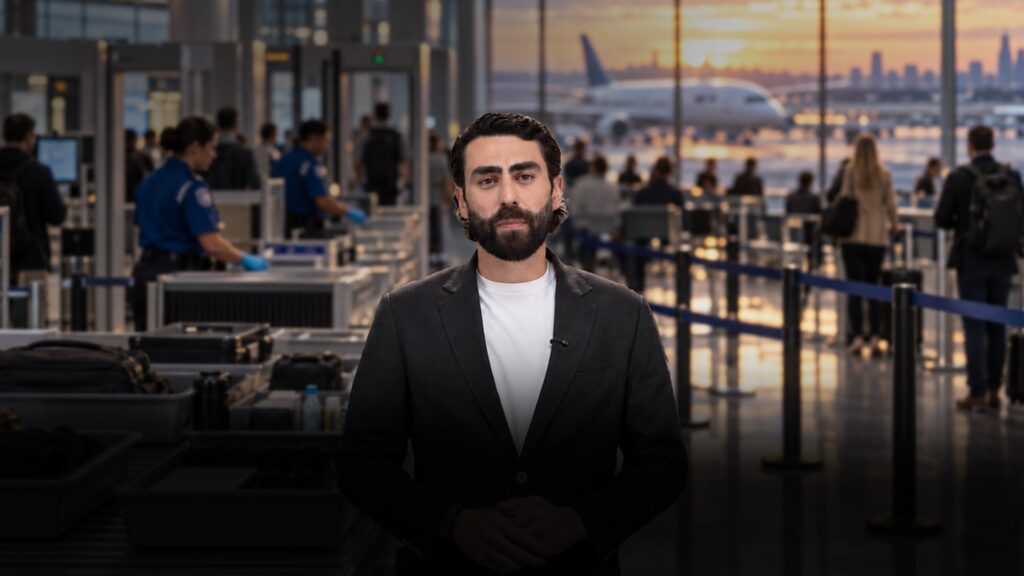
Airport and flight rules exist primarily to ensure safety, security, and efficiency in air travel—a sector where even minor oversights can lead to catastrophic outcomes. While passengers and crew abide by these regulations routinely, the origins and purposes behind them are often overlooked. Every rule in aviation history stems from past incidents, some of which were devastating, prompting regulatory bodies to introduce measures to prevent repetition.
The foundation of modern aviation security was laid after early aviation accidents and the rise of threats such as hijackings and sabotage. For instance, the introduction of metal detectors and passenger screening procedures followed a string of hijacking incidents in the late 1960s and early 1970s. These screenings are now routine but stemmed from a dire need to protect passengers and crew from unlawful interference.
Similarly, rules about baggage checks and restrictions on carrying liquids emerged from specific security threats uncovered during audits and investigations. The infamous liquid bomb plot revealed vulnerabilities that led to tighter control over what can be brought on board.
Moreover, strict protocols regarding flight crew qualifications, aircraft maintenance, and air traffic control coordination have evolved due to accidents caused by human error or mechanical failure. Each aviation disaster provided critical lessons prompting updates to regulations that govern everything from pilot working hours to aircraft inspection schedules.
Airports, by design, are controlled environments aimed at securing all aspects of passenger and cargo movement. Rules here encompass everything from passenger identification to customs declarations, all designed to thwart smuggling, terrorism, and other illegal activities.
The rapid evolution of threats necessitates continuous updates to these rules. Organizations like the International Civil Aviation Organization (ICAO) and national aviation authorities consistently analyze incidents and emerging risks to reinforce or develop new regulations.
Ultimately, the rules that travelers comply with are the product of a complex, responsive system seeking to make air travel as safe and secure as possible. Understanding their origin helps passengers appreciate their importance and cooperate fully, thus contributing to a safer aviation environment for everyone.