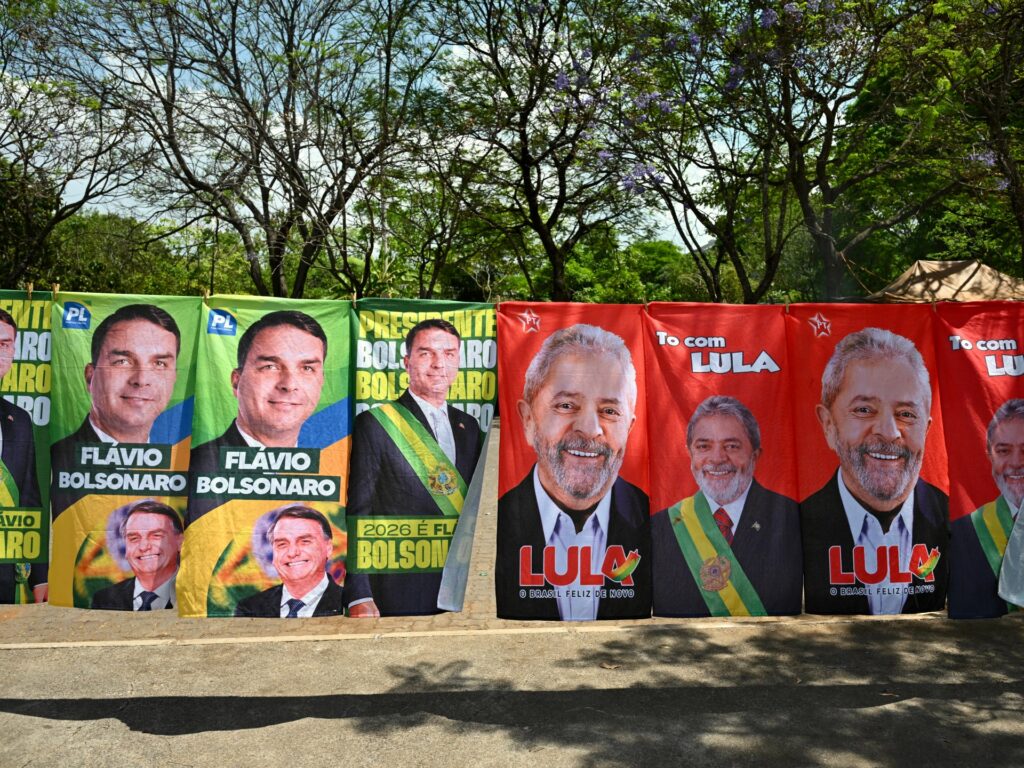
Flavio Bolsonaro, a prominent figure in Brazilian politics and son of former President Jair Bolsonaro, surprisingly outperformed pre-election polls in the recent elections. Several factors contributed to this unexpected outcome, reshaping the political landscape in Brazil.
One major element was a late right-wing shift among voters. As the election neared, a segment of Brazil’s electorate gravitated towards Bolsonaro, driven by conservative values and dissatisfaction with the existing political order. This late rally among right-wing supporters significantly boosted Bolsonaro’s numbers beyond what opinion surveys had predicted.
Another critical factor was the unfolding banking scandal that implicated leading political figures. The scandal eroded public trust in mainstream political parties and institutions, pushing voters to seek alternatives. Bolsonaro, positioned as an outsider and critic of the established system, gained traction among citizens disillusioned by corruption and governance failures.
Economic frustration also played a pivotal role. Brazil’s economy has been struggling with inflation, unemployment, and slow growth, leading to widespread economic hardships. Many voters expressed their frustration by backing candidates promising economic reform and stability. Bolsonaro’s campaign capitalized on this sentiment by advocating for policies aimed at stimulating the economy and improving living standards.
Furthermore, Bolsonaro’s effective use of social media and strong grassroots campaigning allowed him to connect with a broad base of supporters. His outreach resonated particularly well with younger voters and those in rural areas, demographics that are often underrepresented in traditional polling models.
Pollsters also faced challenges in capturing the full extent of Bolsonaro’s support due to methodological limitations. The dynamic political environment and the rapid shifts in voter sentiment close to the election day made it difficult for surveys to provide an accurate snapshot.
In summary, Flavio Bolsonaro’s outperformance in the Brazilian elections resulted from a combination of a late rightward shift in voter preferences, fallout from a significant banking scandal, economic dissatisfaction among the populace, and an effective campaign strategy. These factors collectively disrupted the electoral expectations and highlighted the evolving nature of Brazil’s political climate.