Recent reports have emerged indicating that members of Mexican and Colombian cartels are actively involved in the conflict in Ukraine, specifically fighting as part of Ukraine’s International Legion. This development marks an unusual and unexpected twist in the ongoing conflict.
The cartel mercenaries reportedly joined the International Legion with the aim of acquiring skills in drone warfare, a modern combat technique that is increasingly important in contemporary military engagements. Drone technology offers tactical advantages such as surveillance, precision strikes, and reduced risk to personnel, making it a valuable asset for any armed group.
The presence of cartel members in Ukraine introduces a complex dynamic to the ongoing war. These individuals come from organizations traditionally known for drug trafficking, organized crime, and violent turf wars in their home countries. Their motivations for joining an overseas conflict may vary from the pursuit of new combat skills to potential financial incentives or other undisclosed reasons.
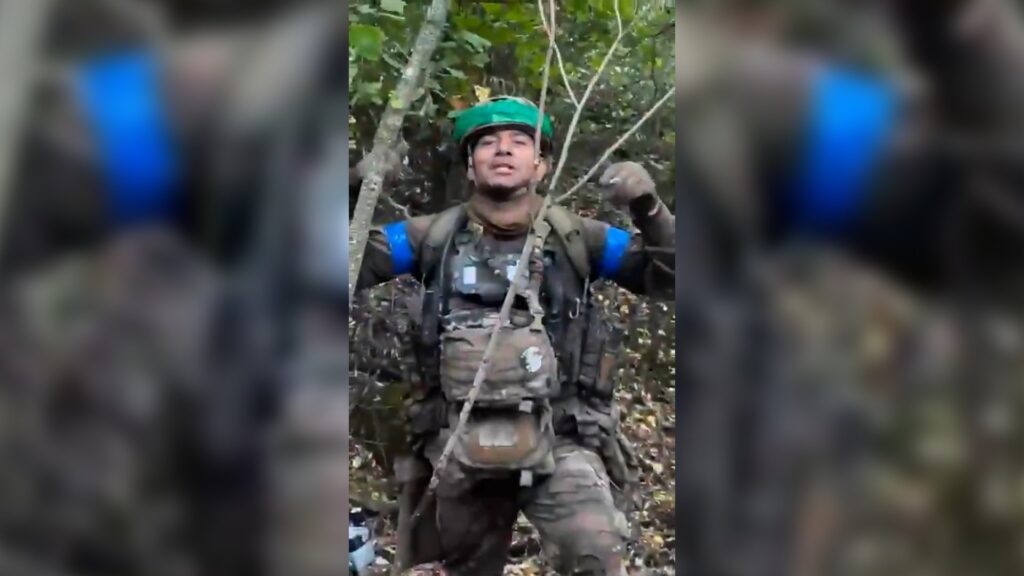
Video footage has surfaced showing armed men believed to be from Mexican and Colombian cartels engaged in combat operations on Ukrainian soil. These visuals have drawn significant attention and concern from international observers and analysts.
Ukraine’s International Legion has been known for recruiting foreign fighters to bolster its resistance against invading forces. The inclusion of cartel mercenaries suggests that the conflict is attracting a diverse range of participants, including those from criminal backgrounds.
Experts warn that the involvement of criminal cartel members could complicate post-conflict scenarios, potentially leading to increased risks of criminal networks expanding their influence in war-torn regions. Additionally, the transfer of drone warfare expertise gained in Ukraine back to South American cartels may escalate the intensity and lethality of their operations in their home territories.
The phenomenon highlights the global ramifications of the Ukraine conflict, extending its impact far beyond Eastern Europe. It underscores the increasing globalization of armed conflicts and the fluidity of modern mercenary roles.
Authorities in Ukraine, Mexico, and Colombia are reportedly monitoring the situation closely, though official statements remain limited. There is growing international concern about the proliferation of combat technologies and the blurring of lines between formal militaries and criminal paramilitary groups.
This development has sparked discussions within the international community regarding the need for stronger regulations and oversight concerning the recruitment and deployment of foreign fighters and mercenaries. The potential for illicit actors to gain sophisticated military skills poses new challenges for global security.
In conclusion, the involvement of Mexican and Colombian cartel mercenaries in Ukraine fighting represents a concerning trend where criminal groups seek to expand their capabilities through participation in foreign conflicts. This situation demands urgent attention from governments and international organizations to prevent further escalation and destabilization.