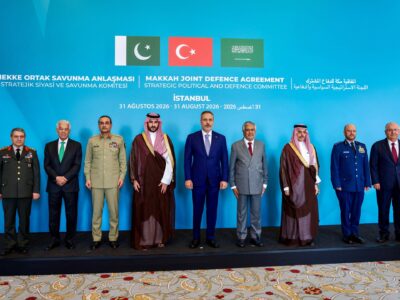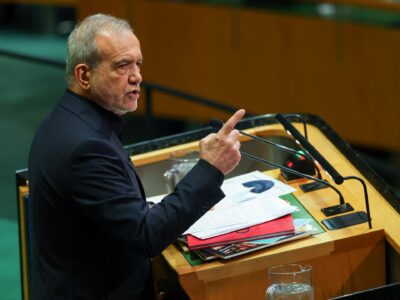
In response to escalating Houthi attacks, Saudi Arabia, Turkey, and Pakistan have announced plans to hold an emergency military meeting. The rising conflict in the region has prompted the military chiefs of these three nations to convene urgently to discuss coordinated strategies and responses.
The Houthi movement, primarily active in Yemen, has intensified its attacks recently, targeting neighboring countries and destabilizing the security landscape of the Middle East. Saudi Arabia, being directly affected by these aggressions, has taken a leading role in seeking regional cooperation to counter the threat.
Turkey and Pakistan, both significant players in Middle Eastern and South Asian geopolitics, are showing their support through this collective defense approach. Their participation signals a broader regional concern about the spread and impact of the Houthi insurgency.
The emergency meeting aims to assess the current situation, share intelligence, and design joint military and security operations. Furthermore, the countries intend to explore diplomatic efforts that might limit further escalation and promote stability in the conflict zones.
Experts consider this move as a critical step toward fostering collaboration among nations that face common threats from non-state militant groups. The coordinated military dialogue also reflects the increasing importance of regional alliances in managing security challenges that transcend national boundaries.
Specifically, Saudi Arabia has been a frequent target of missile and drone strikes launched by the Houthis, prompting concerns over civilian safety and the defense capabilities of the kingdom. Turkey’s interest lies in maintaining regional stability to secure its geopolitical and economic interests, while Pakistan is keen on supporting allied nations to strengthen overall security in the Islamic world.
The planned military meeting is expected to outline immediate countermeasures, including enhanced surveillance, joint training exercises, and improved intelligence sharing mechanisms. Additionally, plans for humanitarian assistance in affected areas might also be discussed.
This trilateral initiative underscores the urgency of a unified military response to the Houthi threat, which has ramifications not only for the involved countries but also for global security and energy markets. The outcomes of the meeting could shape the regional security landscape for the foreseeable future, highlighting the complexity and urgency of the ongoing conflict.
As the situation develops, the international community watches closely, with hopes that dialogue and concerted action will help de-escalate tensions and pave the way for peace in the war-torn region. The emergency meeting scheduled by Saudi Arabia, Turkey, and Pakistan is a pivotal moment in regional military cooperation aimed at addressing one of the most pressing security challenges in the Middle East today.