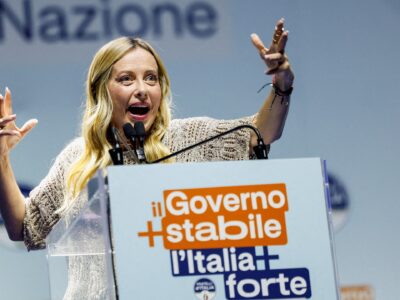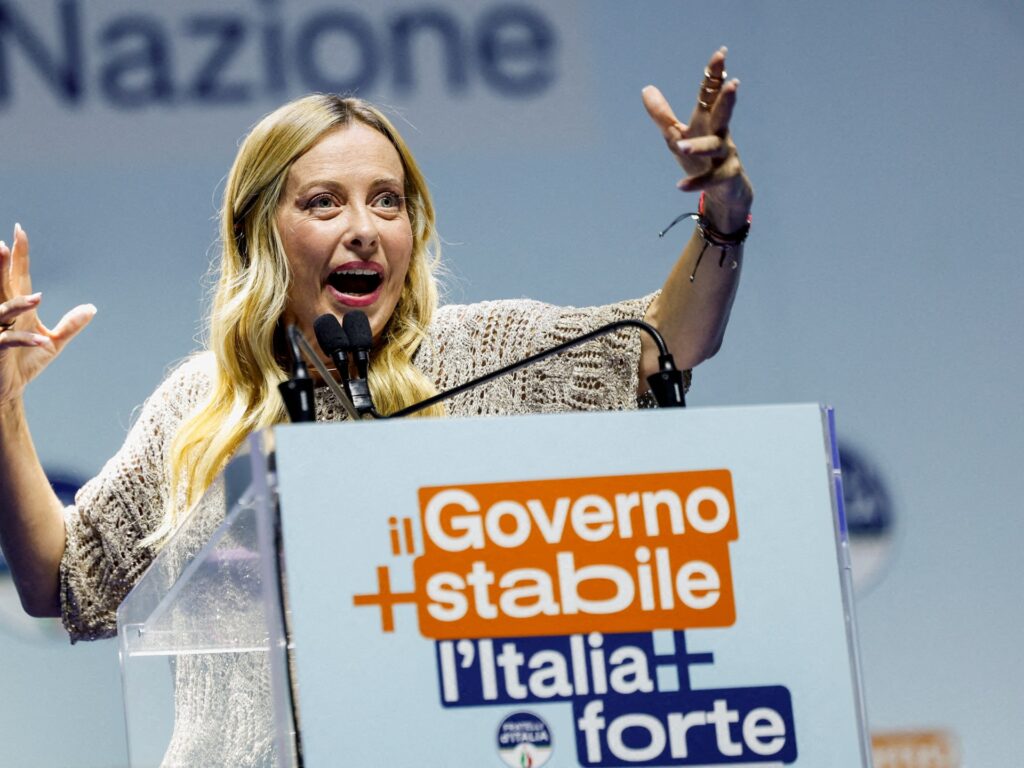
Italy’s government under Prime Minister Giorgia Meloni has taken significant steps in immigration and integration policy by banning burqas and capping the admission of foreign students in its schools. These measures come as Italy remains a primary entry point for migrants into Europe and faces growing public debate ahead of the 2027 national elections.
The ban on burqas is part of a broader initiative aimed at preserving Italian cultural identity and addressing security concerns. The Meloni administration argues that the full-face veil represents a barrier to social integration and poses issues for public safety. This decision, however, has sparked controversy and criticism from human rights groups who view it as an infringement on religious freedoms.
In parallel, the government has introduced caps on the number of foreign students who can enroll in Italian educational institutions each year. This policy is intended to manage the inflow of immigrant children and ensure that resources are adequately allocated to support integration. Officials emphasize the need to balance openness with the capacity of schools to provide quality education.
Italy continues to grapple with being a frontline country for migration, with substantial arrivals by sea and land from regions affected by conflict and economic hardship. The pressure on social services, including education, has become a central campaign issue as political parties position themselves ahead of the next general election.
Critics argue that these policies may fuel social division and do not address the root causes of migration. In contrast, supporters believe they reinforce national identity and convey a message of controlled immigration.
The integration debate highlights ongoing challenges, including how to accommodate a diverse population while maintaining social cohesion. The government’s approach reflects a growing European trend of tightening immigration policies amid rising nationalist sentiments.
As Italy prepares for the 2027 election, the Meloni government’s stance on migration and integration will likely remain a defining issue, shaping public discourse and influencing voter preferences. The balance between security, cultural identity, and human rights continues to be at the forefront of Italy’s political landscape.