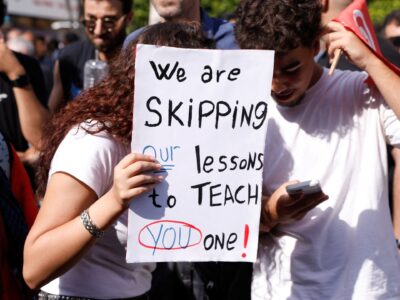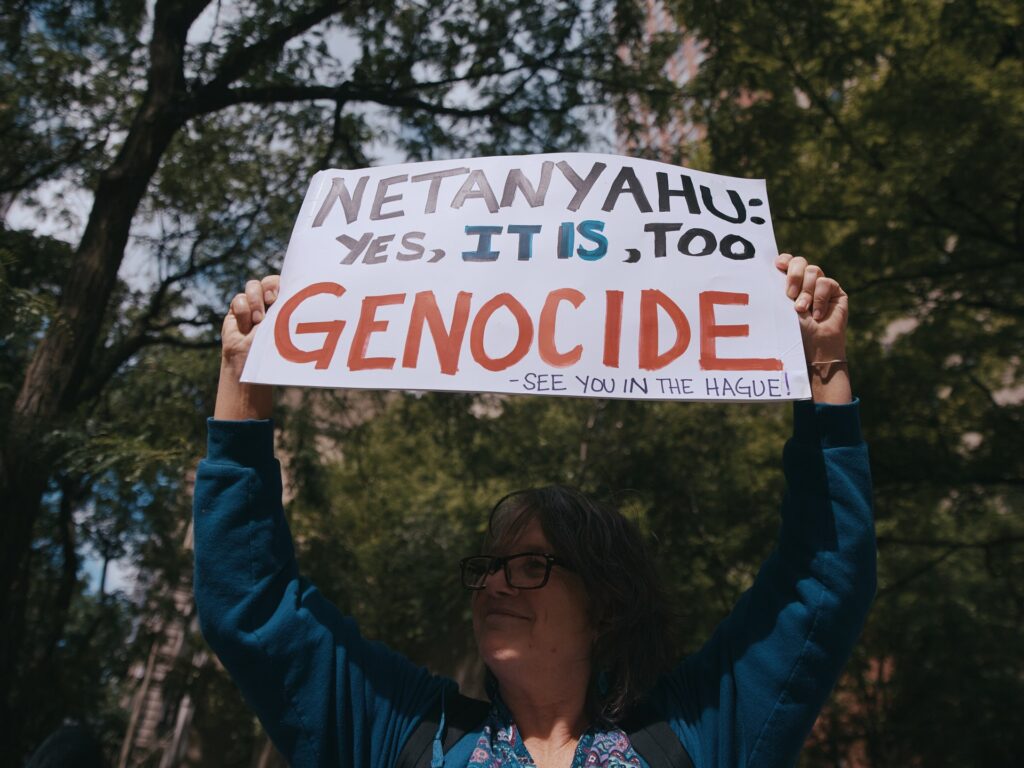
In a significant display of public dissent, more than 100 protesters were arrested in New York City during demonstrations against Israeli Prime Minister Benjamin Netanyahu’s visit to the United Nations. The protest took place as Netanyahu addressed world leaders at the UN General Assembly (UNGA).
The demonstrators gathered in the streets surrounding the UN headquarters, blocking major roads and marching towards the building where Netanyahu was speaking. The protesters voiced their opposition to Netanyahu’s policies and actions, signaling disapproval of his government’s stance on various issues.
Protests of this scale reflect the heightened tensions surrounding Netanyahu’s international presence, particularly at prominent global venues like the UNGA. Officials reported that the protests led to significant disruptions in traffic and security measures were heightened to manage the situation.
Organizers of the demonstration accused Netanyahu of policies they deem oppressive and called for greater international attention to human rights concerns. They utilized the high-profile event to amplify their message to a global audience.
Law enforcement agencies, responding to the blocked streets and attempts to breach security perimeters, enacted crowd control measures including arrests to restore order. More than 100 individuals were taken into custody, highlighting the intensity and scale of the protests.
City officials emphasized the importance of managing public safety while respecting citizens’ rights to peaceful demonstration. They also noted ongoing efforts to mitigate disruptions caused by such protests during major international events.
Netanyahu’s UN visit was marked not only by his speech to the assembled global leaders but also by the vocal demonstrations outside, underscoring the divisive nature of his policies on the international stage.
This event adds to a growing trend of global protests challenging political figures during major diplomatic encounters, reflecting the broader public engagement with international political discourse.
The arrests and protests have sparked debates about the balance between security and free speech, and the role of civil disobedience in democratic societies.
As Netanyahu concluded his address, the echoes of dissent outside the United Nations signified a continuing struggle over public opinion and policy directions surrounding the Israeli Prime Minister’s leadership and the wider geopolitical issues at play.