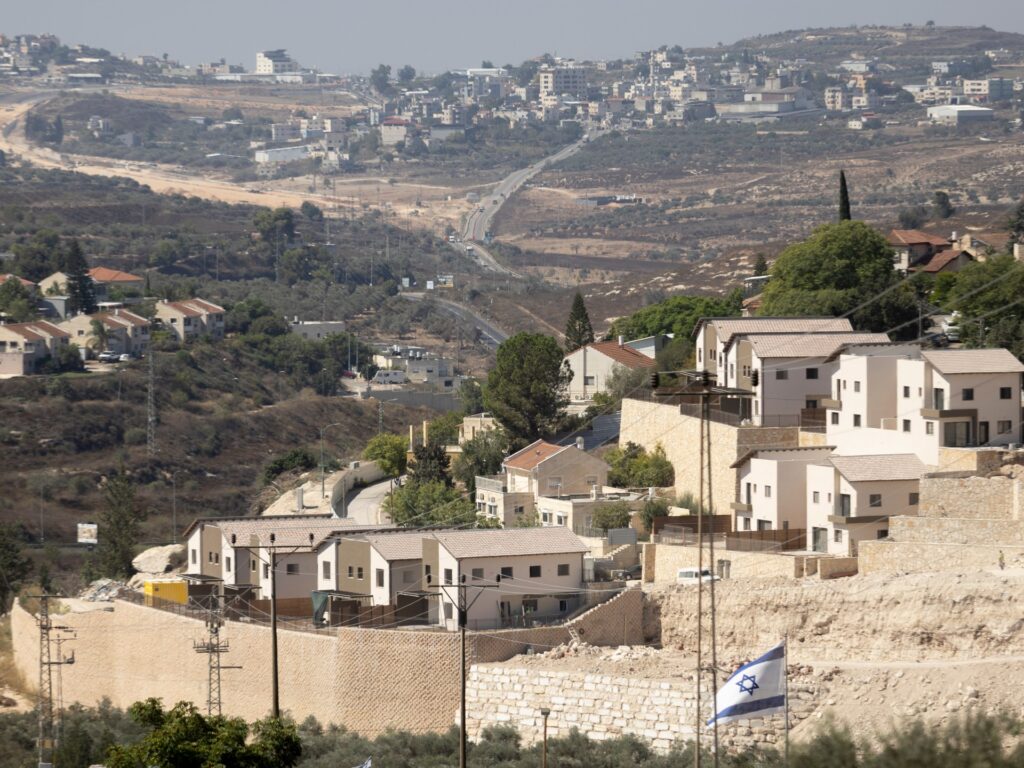
In a proactive move to mitigate the effects of the trade ban on products originating from Israeli settlements considered illegal under international law, the Israeli government has announced a financial assistance program aimed at supporting businesses affected by these restrictions. This initiative is part of Israel’s broader strategy to counteract the economic impact caused by a recent trade embargo primarily enforced by European countries.
The ban, primarily targeting goods produced in areas deemed illegal Israeli settlements, has resulted in significant challenges for numerous firms accustomed to engaging with European markets. In response, Israel is not only providing direct financial support to these businesses but also actively exploring alternative commercial pathways to sustain their economic viability.
One of the pivotal elements of Israel’s strategy involves redirecting the flow of goods from these settlements to emerging markets in Asia and South America. These regions are viewed as potential growth areas that could offer new opportunities for trade and compensate for losses incurred due to the embargo. By broadening its trade horizons, Israel aims to maintain the momentum of its export sector and sustain the livelihoods associated with these industries.
Simultaneously, Europe’s approach to new rules governing trade from Israeli settlements has been characterized as cautious and indecisive, prompting criticism from various stakeholders. Despite mounting pressure to either strengthen or clarify trade regulations in response to the ongoing dispute, European policymakers have yet to implement decisive measures. This hesitation has further complicated the situation for Israeli firms seeking market stability and predictable trade policies.
The European Union’s ambiguous stance on the issue underscores the complexities involved in balancing political considerations with economic interests. While some member states advocate for stricter enforcement of trade restrictions, others call for a more measured response to avoid escalating tensions in the region.
Analysts suggest that the Israeli government’s financial backing and diversification efforts could serve as a temporary buffer for affected firms. However, long-term solutions will likely depend on diplomatic negotiations and the establishment of clearer international trade frameworks.
Meanwhile, businesses within the Israeli settlement areas are facing an uncertain economic climate. The cash assistance offered by the Israeli government is viewed as a critical lifeline, enabling companies to manage short-term operational costs and pivot towards alternative markets.
The situation highlights the broader geopolitical challenges intersecting with trade policies. Restrictions tied to territorial disputes inevitably impact economic activities, prompting nations to devise multifaceted responses that blend financial support, strategic trade realignment, and diplomatic engagement.
Israel’s initiative to promote trade with Asian and South American markets also reflects a strategic diversification of its economic partnerships. These markets not only offer substantial consumer bases but also present opportunities for establishing new alliances and reducing dependence on traditional European trade routes.
As European countries deliberate on their regulatory stance, the global community watches closely to gauge the future trajectory of this trade dispute. The outcomes will have significant implications for international trade norms, the livelihoods of affected communities, and the broader political landscape in the Middle East.
In conclusion, Israel’s provision of cash assistance to firms impacted by the settlement goods trade ban, paired with its active efforts to open new market avenues, marks a significant development in a complex international scenario. Meanwhile, Europe’s hesitant approach to new trade rules leaves room for continued uncertainty and underscores the intricate interplay between politics and commerce in addressing contentious territorial issues.