Amid escalating tensions in the region, Pakistan has announced that it has conducted air strikes on targets in Afghanistan following recent drone attacks attributed to militants operating from Afghan territory. The air strikes were carried out in the southeastern province of Khost, a region known for having a significant militant presence. According to the governor’s office in Khost, these strikes did not result in any casualties. The announcement from Pakistan reflects the continued security challenges along the Afghanistan-Pakistan border, where militant groups have used the porous frontier to launch attacks and evade Pakistani security forces.
The drone attacks that triggered Pakistan’s military response targeted sensitive installations and caused significant security concerns in Pakistan. Islamabad has accused militant groups of using Afghan soil as a safe haven for planning and executing cross-border attacks. In response, the Pakistani military conducted the air strikes intending to disrupt militant activities and prevent further drone assaults.
Officials in Pakistan have stressed that their operations are defensive and aim to secure their borders and protect their citizens from terrorism. However, such cross-border military actions have the potential to complicate diplomatic relations between the neighboring countries, which have historically faced mistrust and conflict.
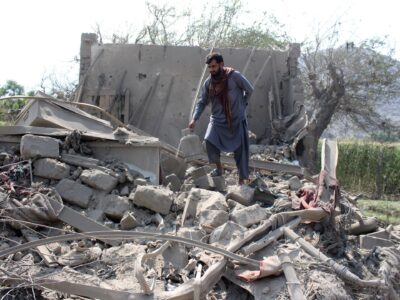
Local authorities in Khost reported no casualties or damage to infrastructure from the strikes, which suggests that the operations targeted remote or unpopulated areas. The province of Khost has been a focal point of militant activity for years, often serving as a transit and operational hub for groups like the Taliban and other insurgent organizations.
International observers have expressed concern about the potential for further escalation in this already volatile region. The Afghan government has condemned any foreign military operations within its territory, calling for respect of Afghanistan’s sovereignty and urging dialogue to resolve security issues. Meanwhile, Pakistan continues to maintain that its actions are necessary for self-defense and regional stability.
The situation remains fluid, with the potential for more military exchanges if cross-border attacks persist. Both nations face the challenge of securing their borders while managing complex political and ethnic dynamics that fuel ongoing conflicts. The international community continues to call for restraint, dialogue, and cooperation between Pakistan and Afghanistan to tackle the shared threats of terrorism and instability that affect the entire region.