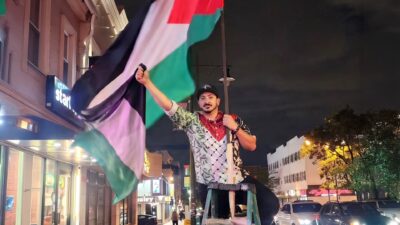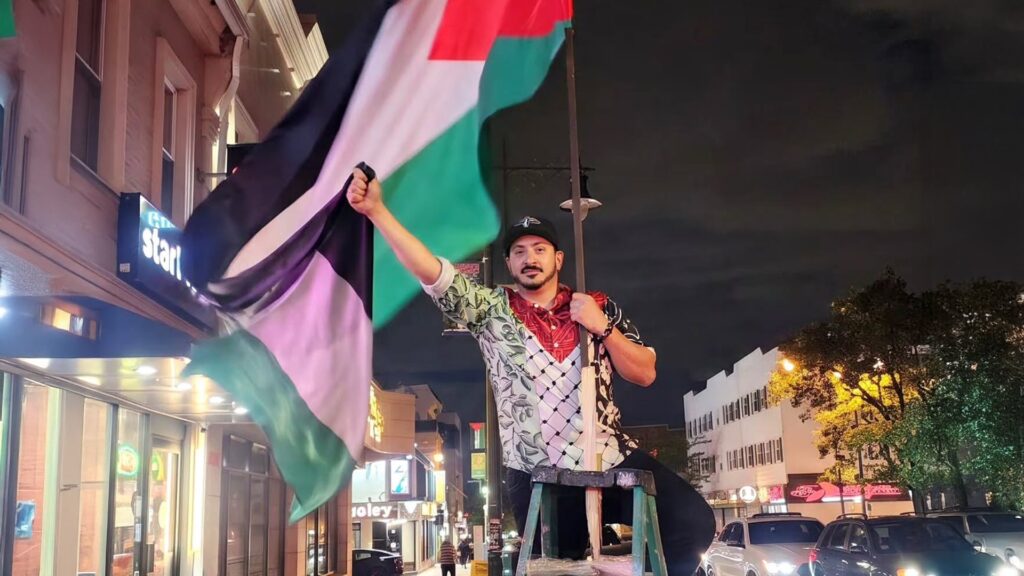
In a recent development, a Palestinian American activist was denied entry into the United Kingdom where he intended to attend and support his charity’s annual Gaza fundraiser. The activist, known for his dedication to humanitarian causes related to Gaza, was stopped from entering the UK despite having planned to participate in an event aimed at raising relief funds for the people of Gaza.
The refusal has sparked discussions around travel restrictions and the challenges faced by activists working on sensitive geopolitical issues. The charity event, which has been held annually, focuses on providing aid and drawing international attention to the hardships faced by Palestinians in Gaza.
According to sources close to the activist, he was prepared with all necessary documentation, including invitations from the charity and proof of the event’s legitimacy. However, the UK authorities cited unspecified reasons for denying him entry, a decision that has been met with criticism from human rights groups and supporters of the cause.
Supporters argue that such travel restrictions hinder the efforts of non-governmental organizations and activists who play a crucial role in humanitarian and awareness campaigns. They see the denial as a political move that undermines the principles of free speech and peaceful advocacy.
The fundraiser typically includes speeches, cultural presentations, and opportunities for the public to contribute financially to ongoing projects in Gaza, such as medical aid, education, and infrastructure rebuilding. The activist’s presence was expected to be a significant part of the event’s impact, lending credibility and attracting more support.
UK immigration officials have not provided detailed explanations for the refusal, leading to calls for greater transparency in such decisions. This incident highlights the complex intersection of national security, immigration policies, and human rights advocacy.
The denied entry of the activist has raised questions about the broader implication for other activists and humanitarian workers who frequently face challenges crossing borders to promote their causes. It also brings to light ongoing tensions within the international community regarding the Israeli-Palestinian conflict.
The organizing charity has vowed to continue its efforts despite the setback and remains committed to raising awareness and funds for Gaza. They have called on the public and international organizations to stand in solidarity and support the humanitarian mission.
This episode is part of a larger narrative where political considerations often influence the movement and activities of activists connected to contentious issues. It underscores the need for dialogue and policies that balance security concerns with respect for human rights and the support of charitable initiatives around the world.