As Israel approaches its upcoming elections, the residents of Gaza are observing the political developments with a mixture of fear, apprehension, and deep antipathy. Despite the intense interest in the campaign and political discourse unfolding just beyond their borders, many Palestinians in Gaza remain skeptical that the election outcomes will bring any positive change to their daily lives.
The Gaza Strip, a densely populated Palestinian territory, has long experienced instability and hardship due to the ongoing Israeli-Palestinian conflict. The election fever in Israel sparks constant apprehension among Gazans, who anticipate that the results might lead to harsher security measures, continued blockades, and further restrictions that exacerbate their already difficult living conditions.
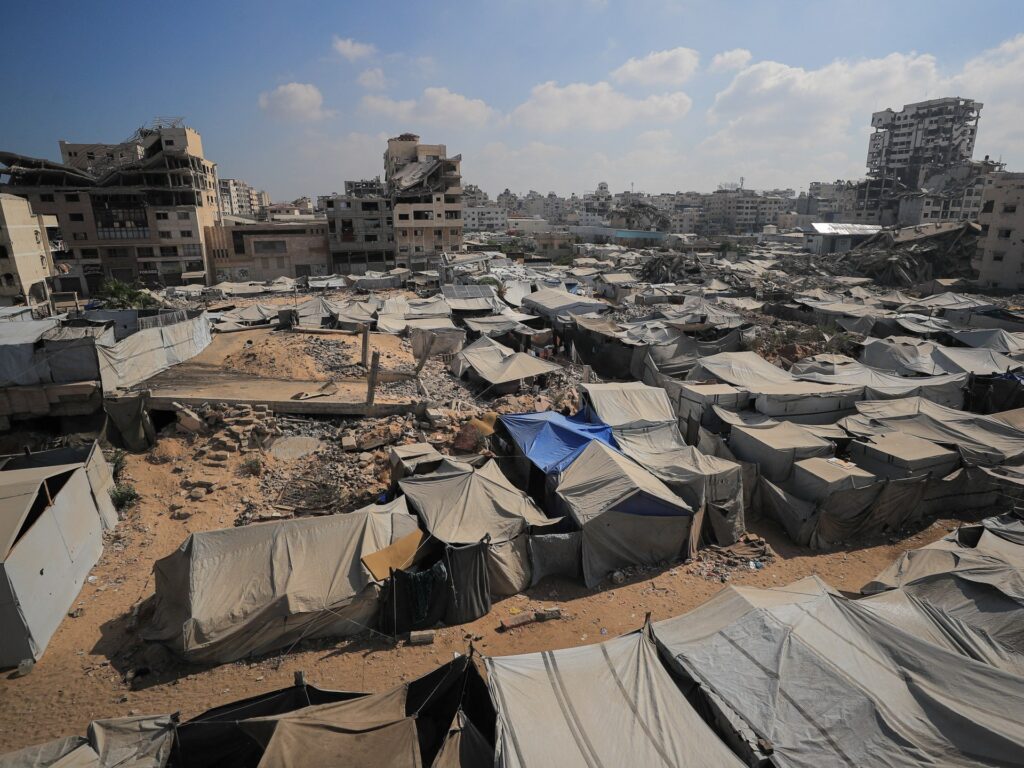
Political analysts note that Israel’s internal elections rarely factor in the needs or rights of Palestinians in Gaza, leading to a growing sense of disenchantment among the Palestinian population. Many within Gaza see the Israeli political landscape as detached from the reality they endure—marked by limited access to basic necessities, high unemployment, and frequent disruptions due to military conflicts.
The campaigns unfolding in Israel have been filled with nationalist rhetoric and pledges concerning security and territorial control. These messages, while resonating with many Israeli voters, only deepen the fears among Gazans that their plight may be overshadowed or worsened. Palestinians in Gaza feel they remain peripheral in the electoral process, with their voices unheard and their interests neglected.
Furthermore, the Gaza populace is burdened by internal political divisions and governance challenges under the Hamas administration, which complicate how they relate to Israeli politics. Despite this, the looming Israeli elections consistently dominate conversations, television broadcasts, and social media platforms, underscoring how intertwined their fates continue to be.
The historical context of Israeli elections reveals a pattern where security concerns dominate policy discussions, often resulting in stricter measures in Gaza. This historical trend fuels the current anxiety and sense of helplessness among Gazans as they brace for potential shifts in Israel’s government.
International observers highlight that without significant progress towards peace talks or humanitarian interventions, the election results in Israel may do little to alleviate Gaza’s hardships. On the contrary, changes in leadership might embolden hardline factions, both in Israel and Gaza, complicating prospects for coexistence.
In summary, the upcoming Israeli elections are being closely monitored in Gaza, not with hope, but with fear and antipathy. The Palestinians in Gaza, while attentive to the political shifts, largely anticipate a continuation of their struggles rather than a marked improvement in their circumstances following the vote. Their outlook encapsulates the broader challenges of enduring conflict, political marginalization, and the urgent need for renewed efforts towards peace and stability in the region.