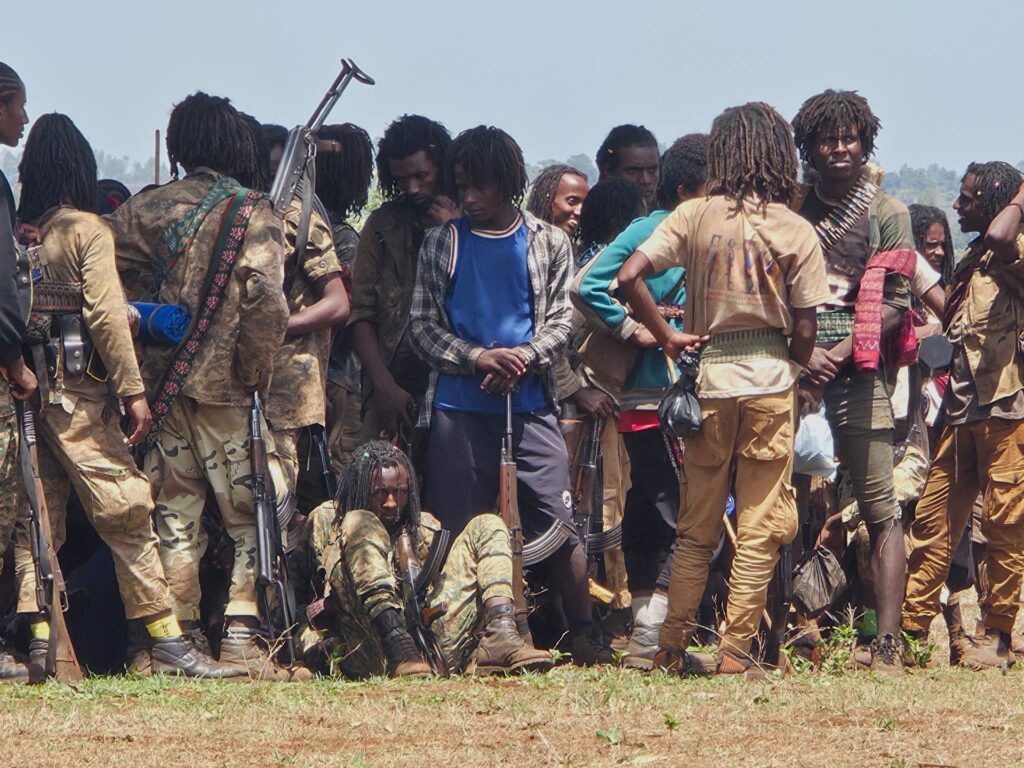
Ethiopia’s political landscape is currently witnessing a significant shift with the formation of a seven-group rebel alliance, challenging Prime Minister Abiy Ahmed’s administration. This alliance brings together a diverse array of movements, each with its own distinct enemies, claims, and historical backgrounds, highlighting the complex nature of the ongoing conflicts within the country.
The alliance, uniting seven distinct groups, represents a broad coalition of opposition forces dissatisfied with Abiy Ahmed’s governance. These groups vary widely in their objectives, ethnic compositions, and regional bases, yet they share a common goal of confronting the federal government.
Prime Minister Abiy Ahmed, who came to power promising reform and peace, has faced increasing opposition in recent years. Initially lauded for his efforts in brokering peace with Eritrea and initiating domestic reforms, his administration has since been marred by ethnic tensions, internal displacements, and armed conflicts.
The rebel alliance’s formation signals an escalation in the political and military challenges facing the Ethiopian government. These groups, often with historic grievances against the federal system or perceived marginalization, have found a strategic advantage in uniting despite their differences.
One of the key questions is whether this alliance can sustain cohesion and effectively coordinate operations against Abiy’s forces. Historically, coalitions of disparate rebel groups have struggled with internal disputes, militancy coordination, and unified political visions.
Moreover, the alliance challenges the notion that Ethiopia’s conflicts are confined to isolated regional disputes. Instead, it underscores a broader national crisis marked by fragmented authority and widespread dissatisfaction with the central government’s policies.
The Ethiopian government’s response has been marked by military offensives and attempts to politically isolate these groups. However, unresolved grievances related to ethnic federalism, resource allocation, and political representation continue to fuel dissent.
Internationally, Ethiopia remains a focal point due to its strategic importance in the Horn of Africa and its role in regional stability. The emergence of a powerful rebel alliance complicates external diplomatic efforts aimed at promoting peace and stability in the country.
In conclusion, Ethiopia’s seven-group rebel alliance presents a formidable challenge to Prime Minister Abiy Ahmed’s government. Their unity, despite diverse backgrounds, reflects deep-rooted discontent and a critical juncture in Ethiopia’s political trajectory. Whether this alliance can change the course of Ethiopia’s future remains a key issue, with implications for the country’s stability and the broader region.