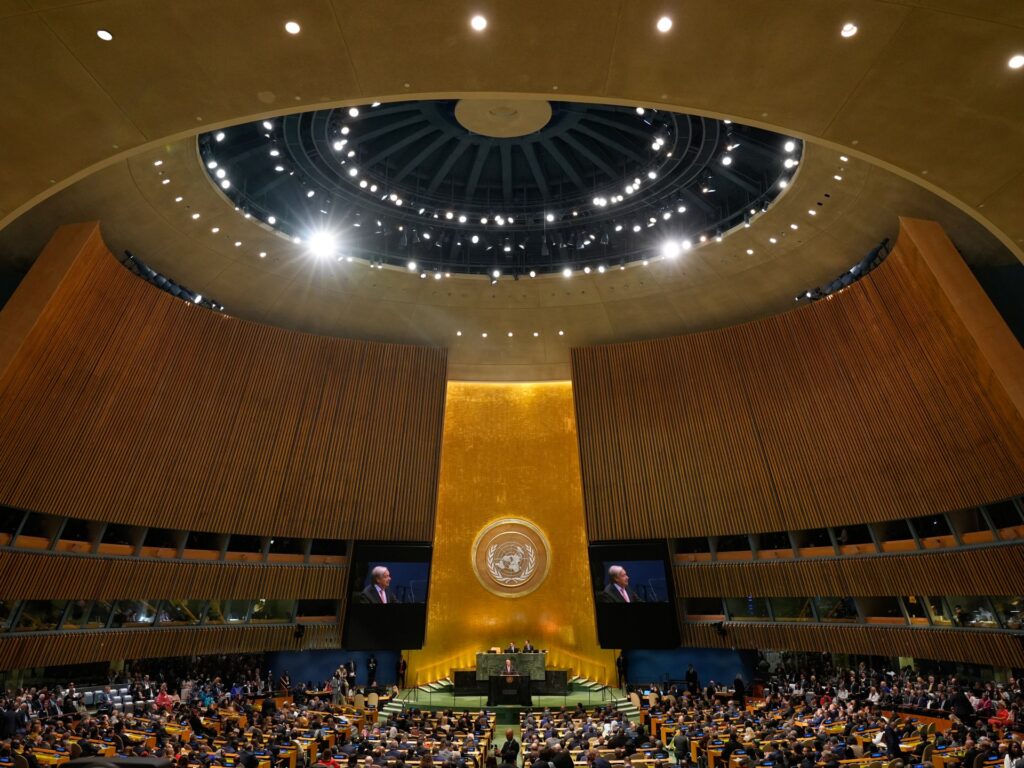
The second day of the United Nations General Assembly (UNGA) commenced with a series of significant speeches from world leaders, marking a critical juncture in global diplomacy. Among the notable speakers were Iran’s Morteza Pezeshkian and Ukraine’s President Volodymyr Zelenskyy, both poised to address pressing international issues.
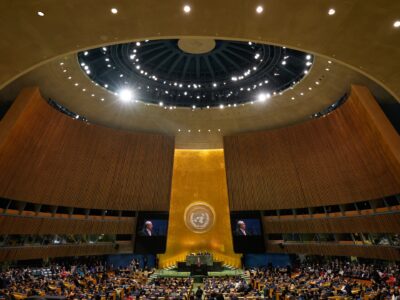
The UNGA, a pivotal annual gathering held at the UN headquarters in New York, serves as a platform where leaders from member states discuss and deliberate on global challenges, peace, security, and sustainable development. Each year, the General Assembly sets the international agenda, with countries voicing their perspectives and fostering diplomatic relations.
Morteza Pezeshkian, representing Iran, is expected to emphasize Iran’s stance on regional security in the Middle East, nuclear disarmament, and the impact of international sanctions on Iran’s economy and population. His speech is anticipated to reaffirm Iran’s calls for diplomatic solutions and cooperation to address conflicts in the region.
On the other side, Ukrainian President Volodymyr Zelenskyy’s address holds significant global attention amid the ongoing conflict with Russia. Zelenskyy is expected to appeal for continued international support, underscore the humanitarian and security implications of the war, and advocate for concerted efforts to restore peace and sovereignty in Ukraine.
Besides Iran and Ukraine, the General Assembly’s agenda includes speeches from Syrian leadership and other major global figures. Syria’s representation will likely focus on the Syrian conflict, reconstruction efforts, and calls for international solidarity and humanitarian aid.
The presence of these leaders at the UNGA highlights the Assembly’s role as a crucial forum for addressing complex geopolitical situations. Their speeches are essential in shaping international responses and fostering dialogue among nations.
The live broadcast of the event ensures global audiences witness real-time updates and statements, enhancing transparency and engagement in international affairs. Media outlets around the world provide comprehensive coverage, analyzing the implications of the speeches and the evolving dynamics between nations.
In addition to the major geopolitical speeches, the General Assembly features discussions on climate change, economic development, health crises, and human rights issues. Such a broad spectrum of topics reflects the multifaceted nature of the UN’s work and the interconnectedness of global challenges.
The UNGA’s second day underscores the importance of diplomatic dialogue and multilateral cooperation in tackling contemporary global issues. As countries present their positions, the Assembly fosters a spirit of negotiation, compromise, and mutual understanding essential for peace and progress.
Observers, diplomats, and international experts closely monitor the speeches for cues on future international policies and alliances. The outcomes of these discussions may influence United Nations resolutions, international aid programs, and the strategic priorities of member states.
As the day progresses, further speeches and debates will continue to shape the tone and agenda of this year’s General Assembly session, reinforcing the UN’s role as a cornerstone of international cooperation and governance. The voices of Iran’s Pezeshkian, Ukraine’s Zelenskyy, and others echo the ongoing commitment of the global community to dialogue, security, and shared prosperity.