Scientists have issued a stark warning regarding the potentially catastrophic impact of a powerful El Nino event, predicting that it could cause more than 450,000 deaths worldwide. This climatic phenomenon, characterized by the warming of ocean surface temperatures in the central and eastern Pacific, has far-reaching effects on global weather patterns, agriculture, and food security.
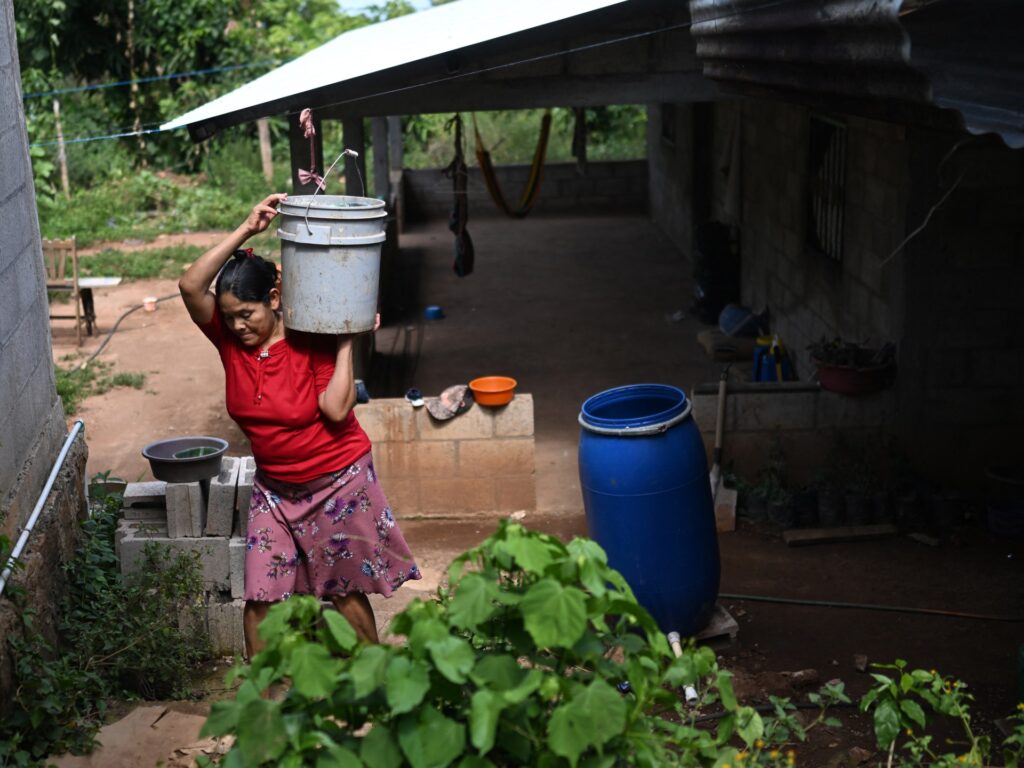
According to recent research, the heaviest toll is expected in poorer countries that are already facing significant challenges such as food insecurity and high energy costs. These nations are particularly vulnerable to the disruptions caused by El Nino, which can lead to extreme weather events including severe droughts, floods, and storms.
The vulnerability of these countries is exacerbated by limited infrastructure and resources to cope with such crises. Food production in many of these regions relies heavily on predictable weather patterns, and any deviations can result in crop failures and food shortages. The cascading effect of such outcomes often leads to malnutrition, increased susceptibility to diseases, and heightened mortality rates.
Energy costs also tend to spike during El Nino events due to disruptions in supply chains and increased demand for cooling in hot regions. This further burdens populations in economically disadvantaged areas, where energy affordability is already a concern.
Experts emphasize the urgency of international cooperation to mitigate the adverse effects of the upcoming El Nino. Early warning systems, investment in resilient agricultural practices, and bolstering healthcare infrastructure in vulnerable regions are critical measures to prevent a humanitarian disaster.
In addition to direct impacts on human health, El Nino is expected to exacerbate economic instability in fragile countries. Disruptions in agricultural output and increased energy costs can hinder economic growth, deepen poverty, and strain social systems.
The scientific community calls for increased funding and support for climate adaptation strategies. Integrating local knowledge with advanced forecasting technologies can improve preparedness and response efforts, potentially saving lives.
Moreover, the report highlights the importance of addressing the root causes of vulnerability, such as poverty and inadequate healthcare access, to build long-term resilience against climate-induced shocks.
In summary, the looming powerful El Nino poses a severe threat, particularly to the world’s poorest and most food-insecure countries. Without concerted global efforts to prepare and respond, the human cost could be devastating, with over 450,000 lives at risk. The situation calls for urgent attention to climate resilience, equitable resource distribution, and enhanced emergency response capabilities worldwide.