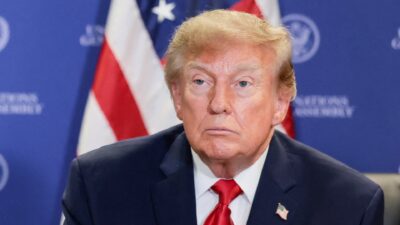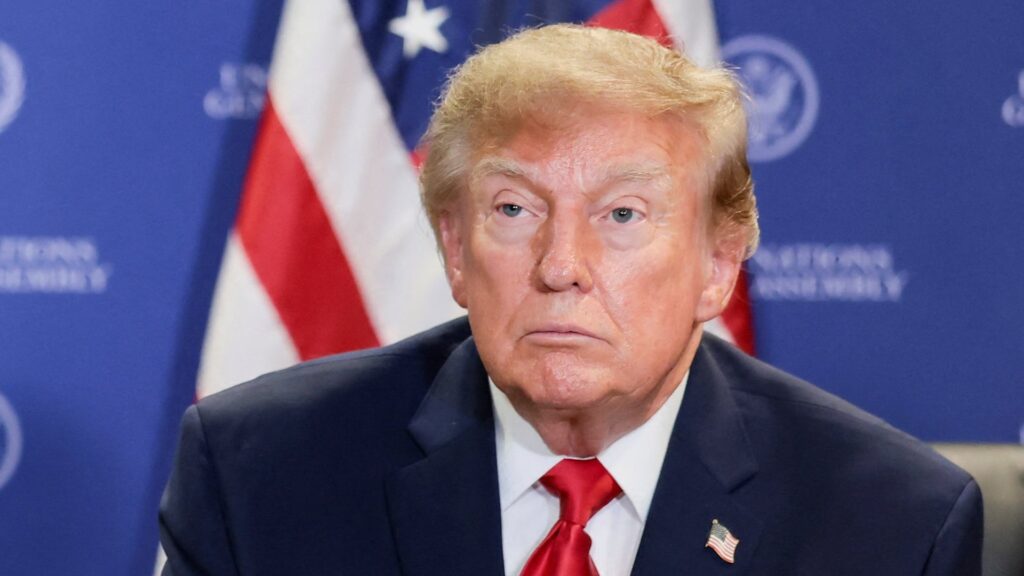
US President Donald Trump recently held a significant meeting with Iranian officials at the United Nations. According to President Trump, the three-hour discussion was ‘very good,’ signaling a potential thaw in US-Iran relations amid ongoing tensions.
The meeting, which took place on the sidelines of the UN General Assembly, involved high-level talks between the American delegation led by President Trump and representatives from Iran. The lengthy duration of the meeting highlights the importance both sides placed on these discussions.
US-Iran relations have been strained for decades, with conflicts stemming from nuclear program disputes, regional security concerns, and economic sanctions. However, this meeting suggests a willingness to engage in dialogue and possibly explore pathways to ease tensions.
President Trump’s positive characterization of the meeting contrasts with typical diplomatic rhetoric, which often emphasizes caution. His description as ‘very good’ indicates substantive progress or at least constructive exchanges.
The specifics of the discussions have not been fully disclosed yet, but experts speculate that key topics likely included regional security, Iran’s nuclear activities, and economic issues tied to sanctions. The involvement of the United Nations as a backdrop for this engagement adds a formal international dimension to the talks.
This meeting could have important implications for future diplomatic efforts. An improved relationship between the US and Iran might affect global geopolitical dynamics, influence oil markets, and impact international security arrangements.
Critics remain skeptical about the outcomes, citing previous attempts at dialogue that failed to yield lasting agreements. However, supporters see this as a step toward potentially de-escalating one of the world’s most persistent geopolitical flashpoints.
In summary, President Trump’s meeting with Iranian officials at the UN marks a noteworthy moment in international diplomacy. It underscores the value of dialogue and diplomatic engagement even amid longstanding conflict. As more information becomes available, the global community will be watching closely to see if this positive tone translates into concrete policy changes or agreements.