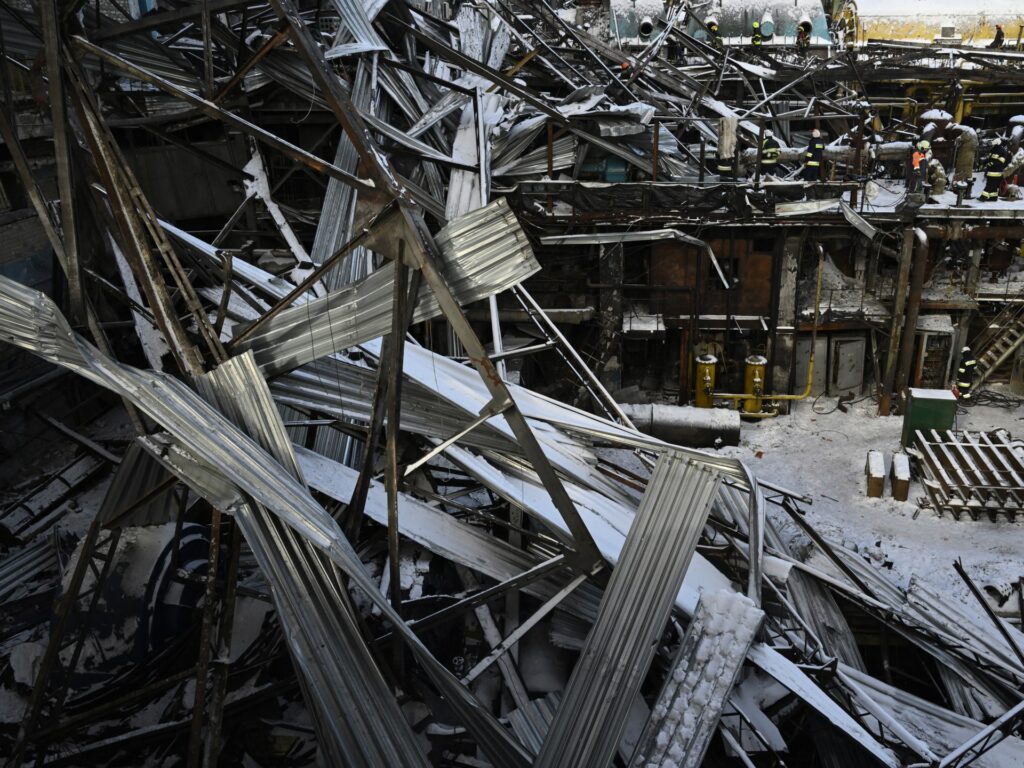
In a severe escalation of the ongoing conflict, Russian military strikes on Ukraine have caused significant damage to the country’s energy infrastructure, particularly in the Dnipropetrovsk and Kharkiv regions. These strikes have led to a power outage that has left approximately 850,000 residents without electricity.
The attacks targeted critical facilities responsible for electricity generation and distribution, causing widespread disruption of power supply across multiple cities and towns. The loss of electricity has severely affected everyday life, exacerbating already challenging conditions in these conflict-impacted areas.
Local authorities confirmed that the power outage impacts both residential and commercial sectors, crippling essential services and infrastructure. Hospitals, schools, public transportation, and businesses are struggling to operate amidst the blackout. Emergency services have been forced to rely on backup power generators to maintain critical operations.
Energy officials in Ukraine have been working under intense pressure to restore power, but the damaged infrastructure requires significant repairs and time to bring back full service. Efforts to secure and protect remaining energy facilities have increased to prevent further outages.
This large-scale power disruption adds to the humanitarian crises triggered by the conflict, including displacement, shortages of food and medical supplies, and general insecurity. The Ukrainian government has called for international assistance to help manage the consequences of the electricity outage.
Analysts note that striking civilian infrastructure, such as power grids, constitutes a grave challenge to both the resilience of the affected population and the overall stability of the region. The incident underscores the increasing toll on civilian lives and infrastructure caused by military operations.
In response, international organizations and countries have condemned the attacks and urged for de-escalation and protection of civilian infrastructure in line with international humanitarian law. Calls for renewed peace efforts have intensified in light of the mounting suffering.
Meanwhile, residents in Dnipropetrovsk, Kharkiv, and surrounding areas are struggling with the dual threats of ongoing conflict and a lack of basic utilities. Community efforts to support vulnerable populations are underway, but the scale of the challenge requires comprehensive assistance.
The energy crisis following the strikes highlights the vulnerability of Ukraine’s critical infrastructure amid continued hostilities, raising urgent questions about the pathways to resolution and reconstruction. As the situation develops, both the humanitarian and strategic implications of the outages will play a crucial role in shaping the future response to the conflict.