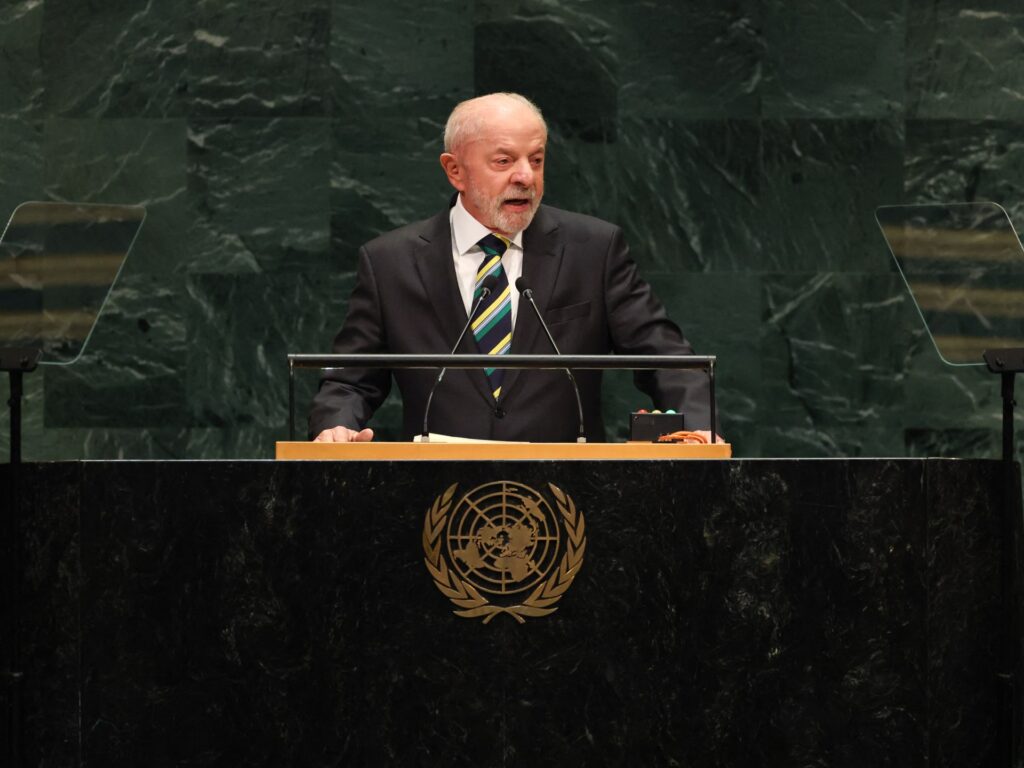
In a recent address at the United Nations, Brazilian President Luiz Inácio Lula da Silva issued a stern warning against any form of foreign interference in Brazil’s upcoming elections. Lula emphasized the importance of respecting Brazil’s sovereignty and the democratic process, highlighting that external influences could undermine the nation’s political stability and the integrity of its electoral system.
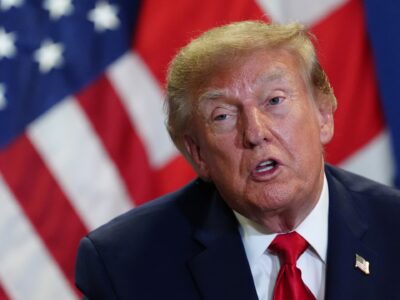
Lula’s remarks come amid heightened geopolitical tensions in Latin America, particularly with statements from former US President Donald Trump who, in his own address at the UN, reaffirmed US influence in the region. This juxtaposition between Lula’s call for non-interference and Trump’s assertion of power underscores a broader contest over influence in Latin America.
The Brazilian leader’s cautionary message reflects concerns shared by many in the region about the potential for foreign powers to sway domestic affairs through misinformation, economic pressures, or covert activities. Lula stressed that Brazil’s democracy must be protected from any attempts to manipulate election outcomes or destabilize the political order.
He urged the international community to uphold principles of non-intervention and respect for national sovereignty. Lula’s stance aligns with a growing movement among Latin American leaders seeking to fortify their countries against perceived external pressures and to assert greater independence in their political and economic policies.
This call for vigilance and respect is particularly significant as Brazil prepares for one of its most critical electoral cycles in recent history. With complex social and economic challenges at stake, Lula’s administration is focused on ensuring a transparent and fair election process.
The United States’ role in Latin America has historically been contentious, with periods of both cooperation and conflict. Trump’s remarks at the UN serve as a reminder of the continuing influence Washington seeks to maintain; however, countries like Brazil are increasingly advocating for a more balanced and autonomous regional dynamic.
The dialogue at the UN highlights the delicate balance between international engagement and respect for internal political processes. Leaders like Lula are calling for a new era of diplomacy that prioritizes mutual respect and refrains from interference, which they argue is crucial for sustaining democratic institutions across Latin America.
As Brazil approaches its election, the world watches closely to see how these international dynamics will play out. Lula’s firm stance represents a pushback against foreign encroachment and a reaffirmation of Brazil’s commitment to democracy and self-determination.
In conclusion, Lula’s warning at the UN underscores the critical importance of non-interference in national elections and the broader quest for sovereignty in Latin America amid ongoing geopolitical shifts and assertions of power by global players like the United States.