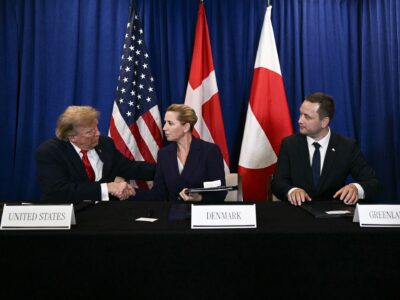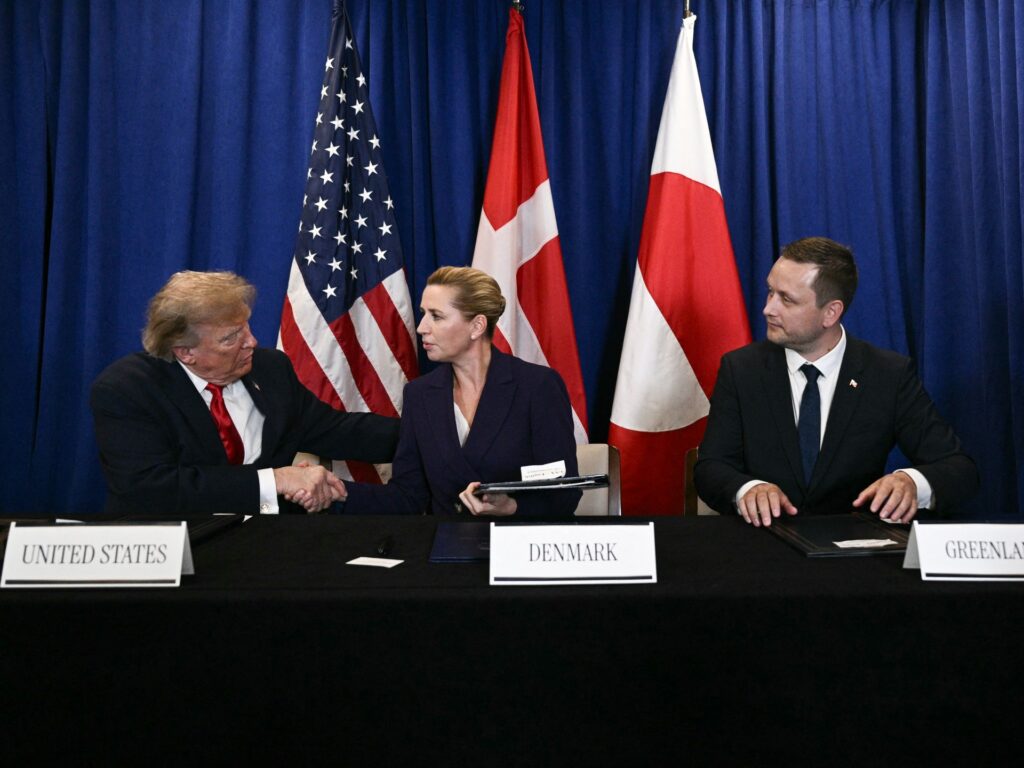
In a significant diplomatic breakthrough, the United States has signed a landmark Arctic security agreement with Denmark and Greenland, marking a new chapter in the strategic partnership among the three nations. The accord, which has been described as ‘tremendous’ by officials, effectively puts an end to months of tension and uncertainty following former President Donald Trump’s controversial threat to purchase Greenland.
The deal underscores the growing importance of the Arctic region on the global geopolitical stage. As melting ice caps open new maritime routes and access to untapped natural resources, Arctic security has become a top priority for Western powers. The US, Denmark, and Greenland have committed to cooperative measures to ensure peace, stability, and the protection of environmental and indigenous interests in the region.
NATO and the European Union have warmly welcomed the agreement, viewing it as a strategic victory that strengthens the alliance’s presence and coordination in the Arctic. NATO sees the pact as a means to bolster collective defense capabilities against potential threats, particularly as Russia and China increase their activities in the polar area.
Denmark, which holds sovereignty over Greenland, played a pivotal role in negotiations, balancing its commitments to the US and its responsibilities to Greenland’s autonomy. Greenland, while an autonomous territory within the Kingdom of Denmark, has sought greater involvement in decisions affecting the Arctic, given its unique geographical and cultural ties to the region.
The security deal encompasses surveillance cooperation, joint military exercises, and shared intelligence efforts. It also includes coordinated responses to environmental challenges such as oil spills, search and rescue operations, and infrastructure development to support sustainable Arctic presence.
Officials involved in the negotiations emphasized that the agreement fosters a spirit of mutual respect and partnership. They highlighted that cooperation replaces previous uncertainty and signals a new era of trust and collaboration in the Arctic.
This development arrives at a critical time when Arctic sovereignty issues are increasingly prominent, and global powers are vying for influence. The US-Denmark-Greenland accord may serve as a model for future international arrangements that balance security concerns with environmental stewardship and indigenous rights.
The deal’s finalization effectively removes earlier strains caused by political rhetoric and sets a framework for ongoing dialogue and cooperation. It demonstrates that despite previous disagreements, shared interests in Arctic stability can prevail.
In conclusion, the US-Denmark-Greenland Arctic security agreement is a milestone that strengthens trans-Atlantic relations, enhances regional security architecture, and highlights the geopolitical importance of the Arctic. It is expected to contribute significantly to peaceful development and responsible governance of this strategically vital area of the world.