The conflict in Yemen has escalated as the Houthis engage in fierce battles for control of strategic heights, intensifying an already dire situation in the region. The struggle for these key positions underscores the Houthis’ determination to consolidate power and influence in Yemen amidst a complex and multifaceted civil war.
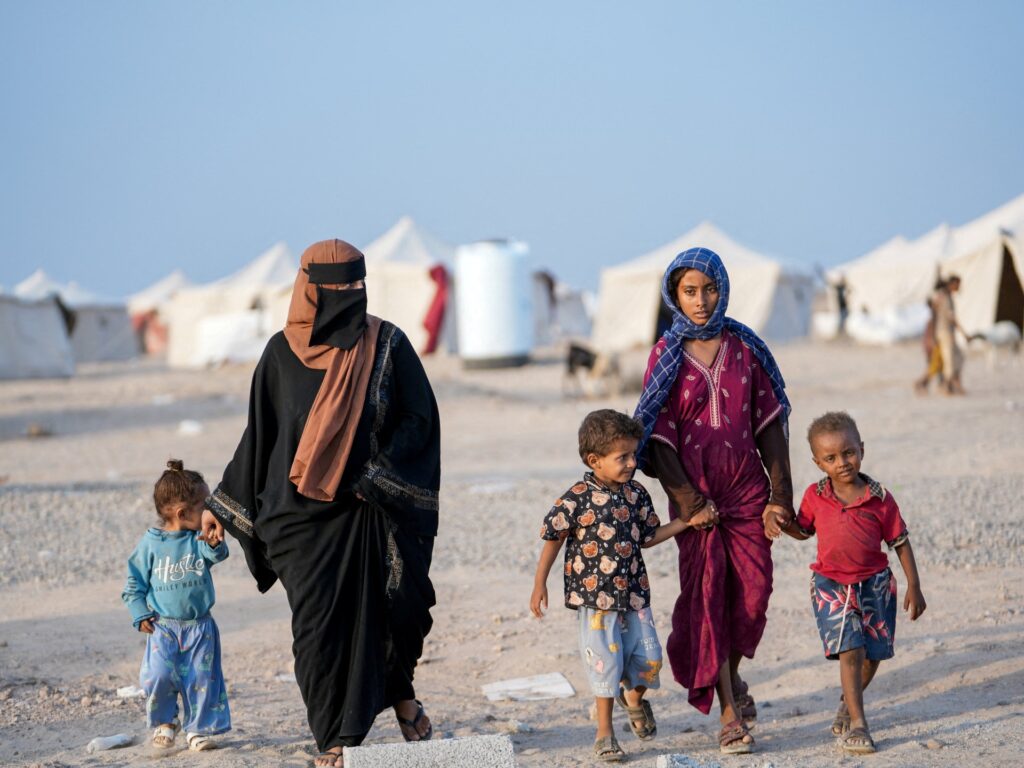
In recent days, the fighting has surged, resulting in a significant increase in civilian displacement. Thousands of families have been forced to flee their homes, seeking refuge from the advancing conflict and deteriorating security conditions. The humanitarian situation continues to worsen, with many facing dire needs for shelter, food, and medical assistance.
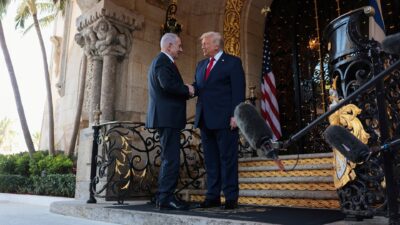
Adding to the complexity of the conflict, reports from US media have revealed that former President Donald Trump reportedly called off planned airstrikes against Houthi targets at the last minute on Sunday. This decision has raised questions about the US administration’s strategy and commitment toward addressing the threat posed by the Houthis, who have been accused of receiving support from regional powers and posing security challenges across the Arabian Peninsula.
The strategic heights contested by the Houthis are vital due to their geographic significance, providing tactical advantages such as control over surrounding areas and transportation routes. Securing these locations could greatly enhance the Houthis’ military positioning, potentially shifting the balance of power in Yemen.
The conflict’s intensification and the US military decision to abort strikes come amid ongoing efforts by international actors to broker peace and end the years-long warfare that has caused one of the world’s worst humanitarian crises.
The United Nations and various humanitarian organizations have repeatedly called for an immediate ceasefire, underscoring the urgent need to protect civilians and facilitate the delivery of aid. However, the continuing military engagements indicate that a political resolution remains elusive.
As the Houthis battle for dominance over these strategic heights, the people of Yemen suffer the brunt of the conflict. Displacement, destruction of infrastructure, and disruption of basic services have left millions vulnerable and dependent on international aid.
The latest developments serve as a stark reminder of the fragility of the situation in Yemen. The international community faces mounting pressure to intensify efforts to achieve a sustainable peace that addresses the root causes of the conflict and alleviates the humanitarian catastrophe.
In conclusion, the ongoing battles for strategic terrain by the Houthis, the rising displacement of civilians, and recent shifts in US military actions highlight a volatile phase in Yemen’s conflict. Continued violence threatens to deepen the crisis unless comprehensive diplomatic interventions gain momentum.