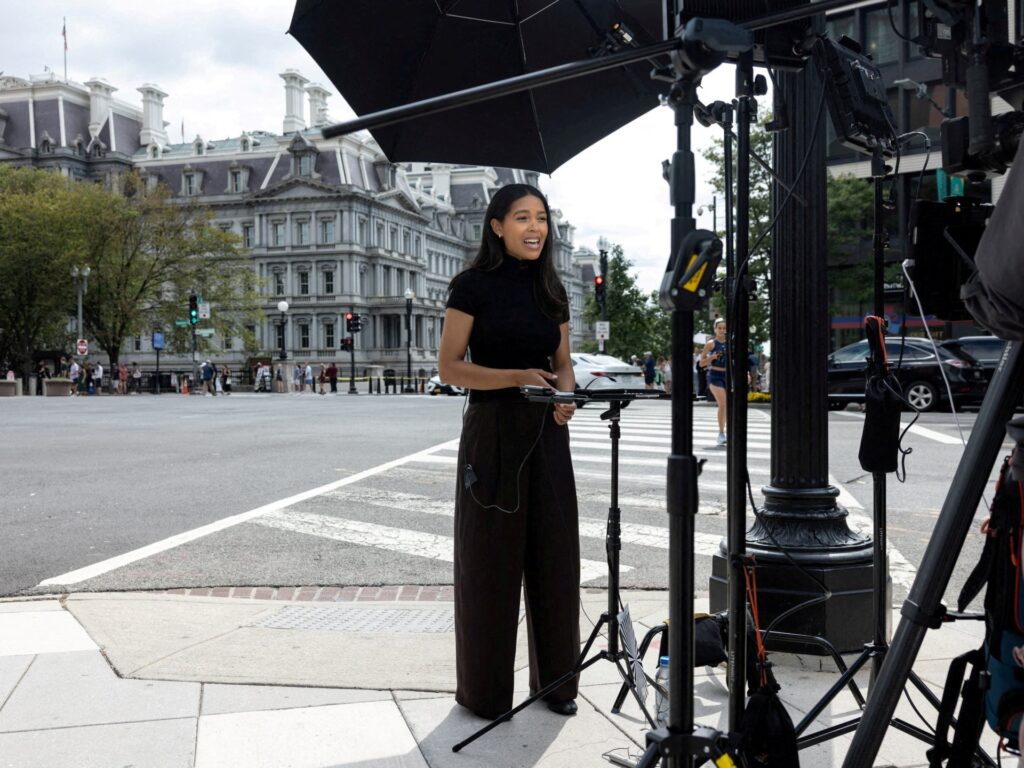
In a significant escalation of tensions between the media and the Trump administration, CNN, Politico, and MSNBC have collectively filed a lawsuit challenging a newly imposed ban by the White House on their news organizations. This legal move underscores growing concerns about freedom of the press and governmental control over media access to official events.
The dispute centers around the Trump administration’s decision to bar these prominent media outlets from attending certain White House briefings and events. According to administration officials, this restriction aims to curb what they describe as the proliferation of ‘fake news’—a term frequently used by President Donald Trump to criticize unfavorable media coverage.
President Trump has defended the ban by emphasizing the threat that he believes misleading reporting poses to the nation’s security. In a public statement, Trump asserted that ‘fake news’ represents a ‘threat to our National Security,’ justifying the administration’s stance as a protective measure rather than an act of censorship.
However, critics argue that the ban infringes upon the constitutional principles of free press and transparency. Journalists from the affected organizations contend that their removal from the White House events undermines their ability to report independently and hold government officials accountable.
Legal experts are watching the case closely, as it raises critical questions about the balance between national security and the public’s right to information. The lawsuit asserts that the White House’s actions are discriminatory and violate journalists’ First Amendment rights by selectively excluding certain news organizations based on their editorial viewpoints.
The media companies involved are seeking an injunction to lift the ban and restore their full access to White House events. They argue that open access is essential for maintaining an informed public, especially during a period marked by intense political polarization and fragmented information landscapes.
This legal confrontation is part of a broader pattern of contentious interactions between President Trump and the press. Throughout his tenure, Trump has frequently criticized media outlets, often accusing them of bias and dishonesty, which has contributed to a fraught relationship marked by mistrust on both sides.
The outcome of the lawsuit could have profound implications for future media-government relations and set a precedent for how administrations handle press access. Observers hope that the courts will reaffirm the crucial role of an independent press in a democratic society, ensuring that government accountability is not compromised under the guise of national security.
As the case proceeds, it remains to be seen whether the Trump administration will maintain its position or reconsider the ban in light of mounting legal and public pressure. Meanwhile, the news organizations involved continue to advocate for the indispensable role of journalism in upholding democratic values and scrutinizing power.