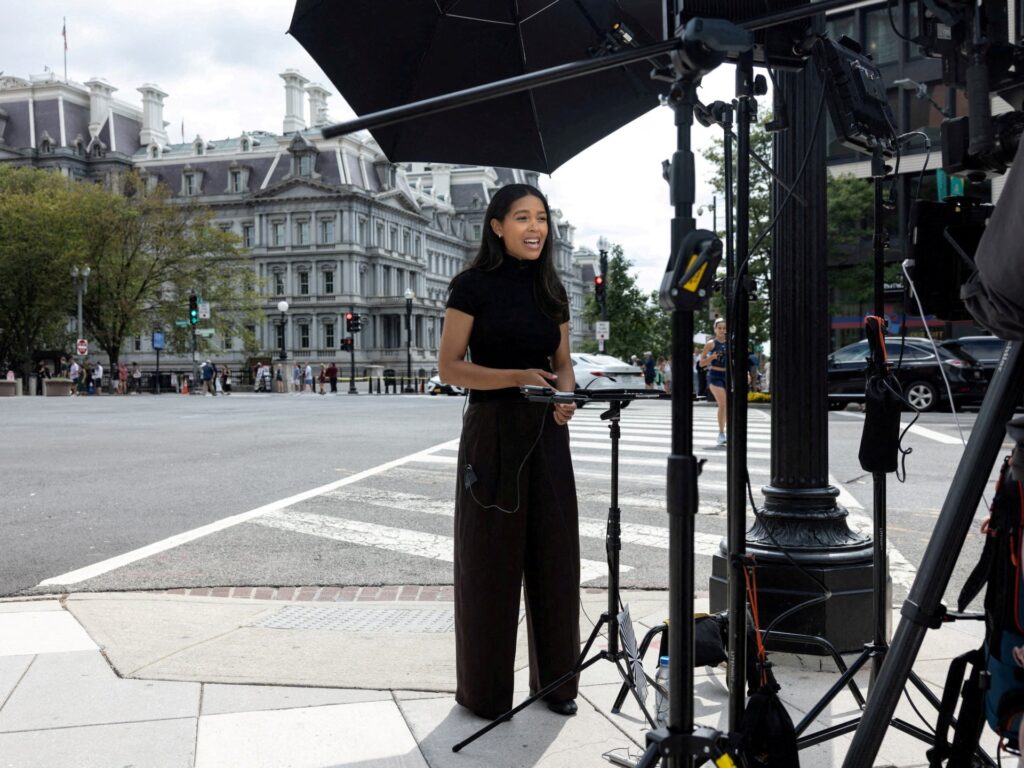
CNN, Politico, and MSNBC have jointly decided to take legal action against the Trump administration in response to a recent ban that prevents their journalists from accessing the White House. This unprecedented move highlights escalating tensions between the media and the administration, raising significant questions about press freedom and transparency in government.
The ban, which effectively excludes these major news organizations from White House briefings and events, has been justified by President Trump as a necessary measure against what he describes as ‘fake news.’ According to the President, such misinformation poses a ‘threat to our National Security,’ suggesting that restricting access to certain media outlets is integral to protecting the country.
This legal battle marks a critical juncture in the ongoing conflict between the Trump administration and various media outlets, which have repeatedly accused the administration of undermining journalistic principles and eroding trust in the press.
CNN, Politico, and MSNBC argue that the ban violates their constitutional rights, particularly the First Amendment, which guarantees freedom of the press. They contend that barring reporters from covering White House events impedes the public’s right to be informed about government actions and policies.
Legal experts suggest that this lawsuit could have far-reaching implications for media access to government information, potentially setting new precedents about the balance between national security concerns and press freedoms.
The media companies spearheading the lawsuit have stated their commitment to maintaining an independent and unfettered press, emphasizing that it is vital for democracy that journalists can operate without political interference.
On the other side, the Trump administration stands by its decision, arguing that controlling the dissemination of information is essential to prevent the spread of false narratives that could jeopardize national interests.
This case will likely unfold in the courts in the coming weeks, drawing significant public and political attention as it tests the limits of presidential authority over the press.
The White House ban and subsequent lawsuit have sparked widespread debate across the country, with many advocating for robust protections for journalists and others supporting stronger measures against media outlets perceived as hostile or misleading.
As developments continue, the outcome of this lawsuit could shape the future landscape of press freedom in the United States, serving as a pivotal moment in the ongoing discourse on the role of the media in holding power to account.