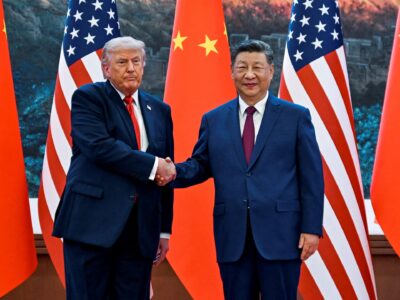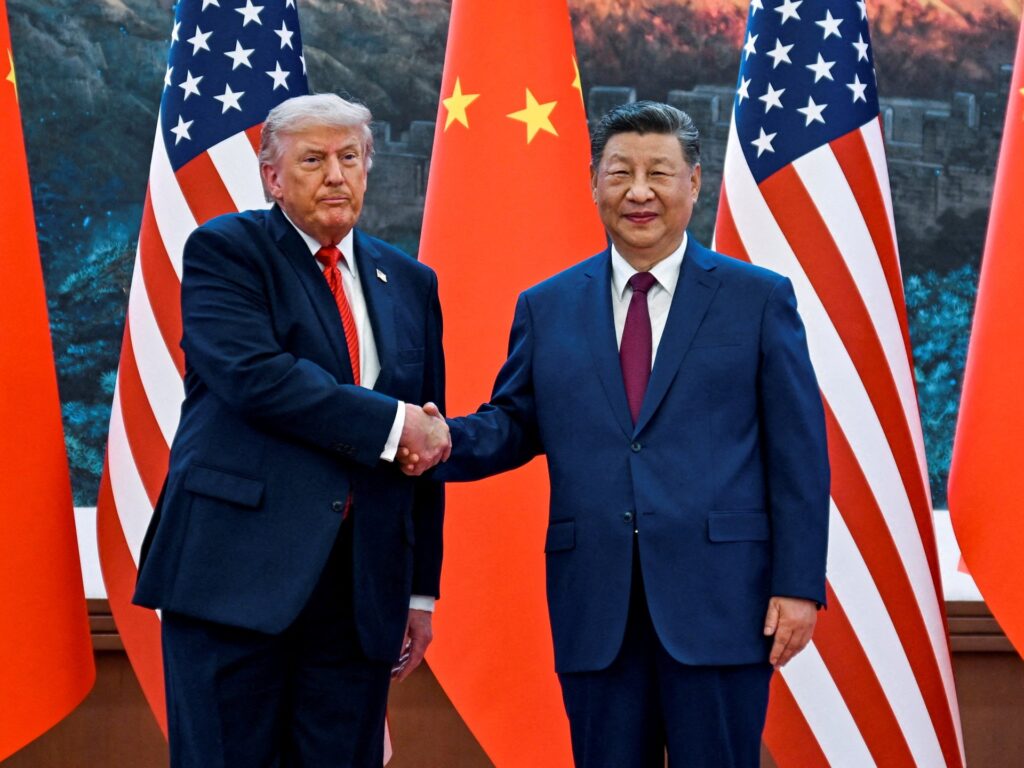
In the face of escalating competition and growing restrictions on advanced technologies, the United States and China are reportedly considering the establishment of an ‘AI hotline’ — a direct communication channel dedicated to Artificial Intelligence issues. This proposal, which former President Donald Trump plans to pitch to Chinese President Xi Jinping, aims to foster dialogue and reduce the risk of misunderstandings between the two global superpowers in the rapidly evolving AI landscape.
The concept of an AI hotline is inspired by historical precedents such as the Cold War-era ‘red telephone,’ which was used to prevent nuclear crises by providing leaders with direct, immediate communication during tense moments. In today’s context, the AI hotline would serve a similar purpose, enabling Washington and Beijing to openly discuss concerns, policies, and developments related to AI technologies, thereby avoiding inadvertent escalations or conflicts.
The idea comes amid heightened scrutiny and regulatory measures on AI, as well as restrictions on the transfer of advanced technological components between the US and China. Both countries recognize the transformative potential of AI not just in economic terms but also in national security and military strategy. The hotline is viewed as a confidence-building measure to promote transparency and cooperation, despite broader geopolitical rivalries.
By maintaining continuous and clear communication through a dedicated channel, the US and China hope to manage the risks associated with AI advancements, such as ethical dilemmas, cybersecurity threats, and unintended consequences of autonomous systems. This initiative underscores the urgent need for international frameworks to govern AI development responsibly and prevent misuse.
While the plan is still in its early stages, and details about its operation and governance remain under discussion, the AI hotline proposal signals a pragmatic step toward mitigating the adversarial nature of US-China relations. Both leaders are expected to discuss this proposal during upcoming diplomatic engagements, highlighting the importance of balancing competition with collaboration in the arena of cutting-edge technologies.
In summary, the US–China AI hotline represents a novel approach to managing complex technological rivalry, prioritizing dialogue and risk reduction over confrontation. Should it come to fruition, this communication channel could pave the way for more systematic cooperation on AI governance, setting a precedent for other countries navigating the challenges posed by rapid advancements in artificial intelligence.