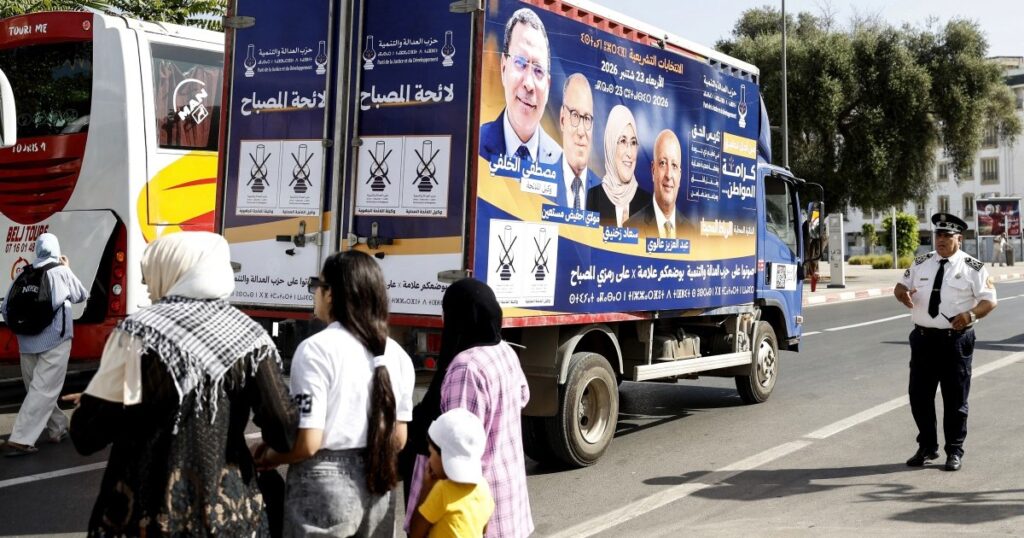
As Morocco prepares for its upcoming parliamentary elections scheduled for September 23, political parties across the country are ramping up their campaign efforts. With 395 parliamentary seats up for grabs, the competition among parties is intensifying as they seek to secure a strong mandate from voters.
Campaigning has taken on a multifaceted approach, with parties mobilising both in traditional public spaces such as markets and in the digital sphere through online platforms. Markets, known as vibrant community hubs, provide an effective venue for parties to connect directly with citizens, engage in dialogue, and promote their political agendas. These face-to-face interactions are integral in reaching diverse demographics who frequent these central social and economic spaces.
In parallel, the digital campaign strategy focuses on leveraging social media networks, websites, and other online tools to spread political messages rapidly and widely. This approach is especially targeted at younger voters and urban populations who are more engaged online and can be influential in tipping the scales during elections.
The mobilization in these two arenas highlights the adaptive strategies Moroccan parties are employing to navigate the modern electoral landscape. By combining grassroots market presence with a strong online footprint, parties aim to maximize their visibility and voter outreach.
As September 23 approaches, the political scene in Morocco is marked by heightened activity, with party representatives actively working to secure support in a highly contested race. The elections will be crucial in shaping Morocco’s legislative framework and political direction for the coming years.
Observation of campaign dynamics also reveals the evolving nature of voter engagement in Morocco, reflecting broader trends in democratization and political participation. The integration of traditional and digital campaigning methodologies represents a comprehensive approach to addressing the needs and expectations of a diverse electorate.
Ultimately, the success of each party in these elections will depend on their ability to resonate with voters through effective communication, adaptable campaigning strategies, and a clear vision for the country’s future. As Morocco embarks on this critical electoral process, the nation watches closely, aware of the significant impact these elections will have on its political landscape and governance.