Sudan, a nation long marred by conflict, continues to face severe challenges in achieving stable humanitarian truces amid ongoing warfare. Recent efforts to establish ceasefires aimed at alleviating civilian suffering have repeatedly collapsed. The persistence of these failures reflects complex underlying issues and the competing priorities of Sudan’s warring factions.
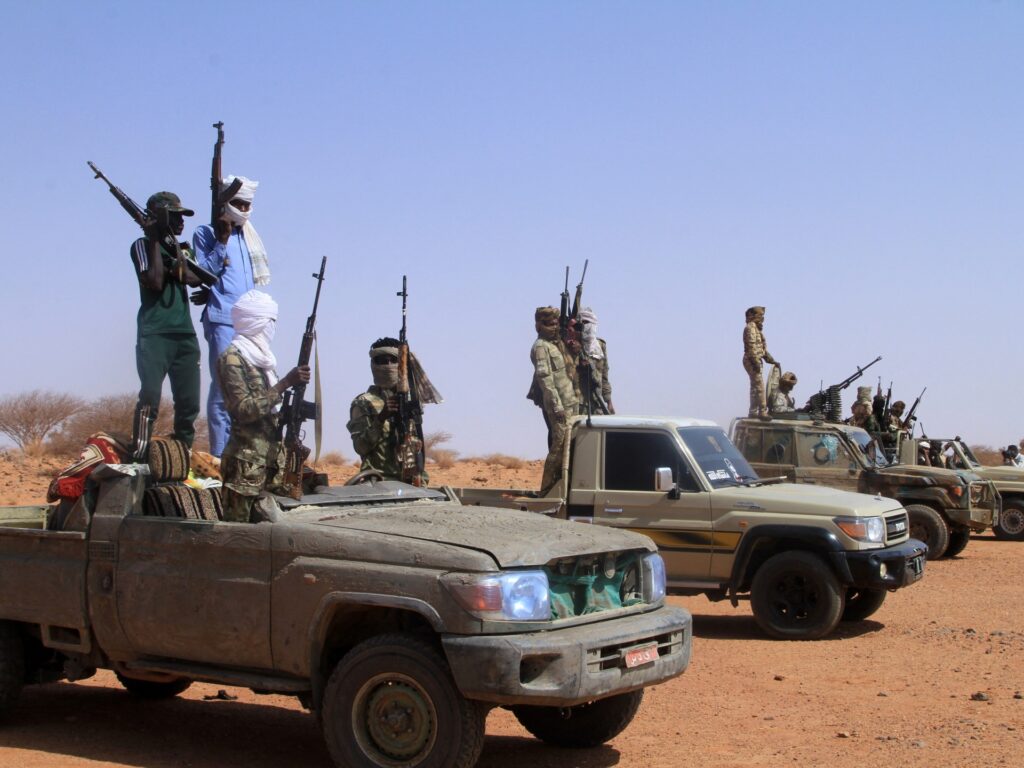
The main reason humanitarian truces fail in Sudan is the entrenched strategic interests of the armed groups engaged in the conflict. Many factions view truces as temporary pauses that could disadvantage them militarily rather than opportunities for lasting peace. As a result, they prioritize battlefield gains over humanitarian concerns, seeking to control more territory or strategic resources.
This pursuit of military advantage often leads to violations of ceasefires shortly after they come into effect. When one side perceives an opportunity to strengthen its position militarily, they may deliberately disregard truce agreements. Consequently, trust between factions erodes rapidly, making negotiations even more difficult.
Furthermore, Sudan’s complex political landscape complicates peace efforts. Multiple armed groups, each with distinct agendas and external backers, make coordinating and enforcing truces challenging. The absence of a unified command or effective mechanisms to monitor ceasefires contributes to frequent breaches.
International mediators and humanitarian organizations have repeatedly called for truces to allow safe passage for aid delivery and protect civilians caught in the crossfire. However, without robust enforcement and the commitment of all parties, these calls often result in short-lived ceasefires that collapse under the pressures of ongoing conflict.
Blame for the failure of these truces is a shared responsibility. While warring factions bear direct accountability for violations due to their prioritization of military objectives, other factors are at play. Weak governance structures, limited international leverage, and the overarching geopolitical interests that fuel the conflict all contribute to an environment where truces are fragile.
The civilian population suffers the most amid this deadlock. Frequent clashes despite declared truces lead to displacement, humanitarian crises, and loss of life, undermining the very purpose of ceasefire agreements.
In conclusion, Sudan’s humanitarian truces continue to fail primarily because warring factions prioritize battlefield victories over humanitarian needs, compounded by a fragmented political landscape and ineffective enforcement mechanisms. For truces to succeed, a multifaceted approach is required: fostering genuine commitment to peace among conflict parties, strengthening monitoring and accountability frameworks, and expanding diplomatic pressure from the international community. Without these efforts, Sudan’s cycle of conflict and failed truces is likely to persist, further harming its vulnerable population.