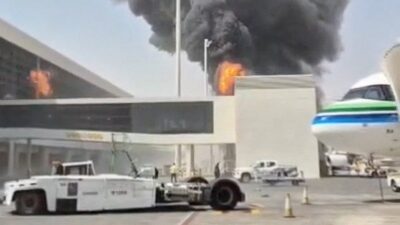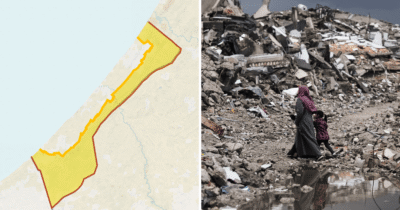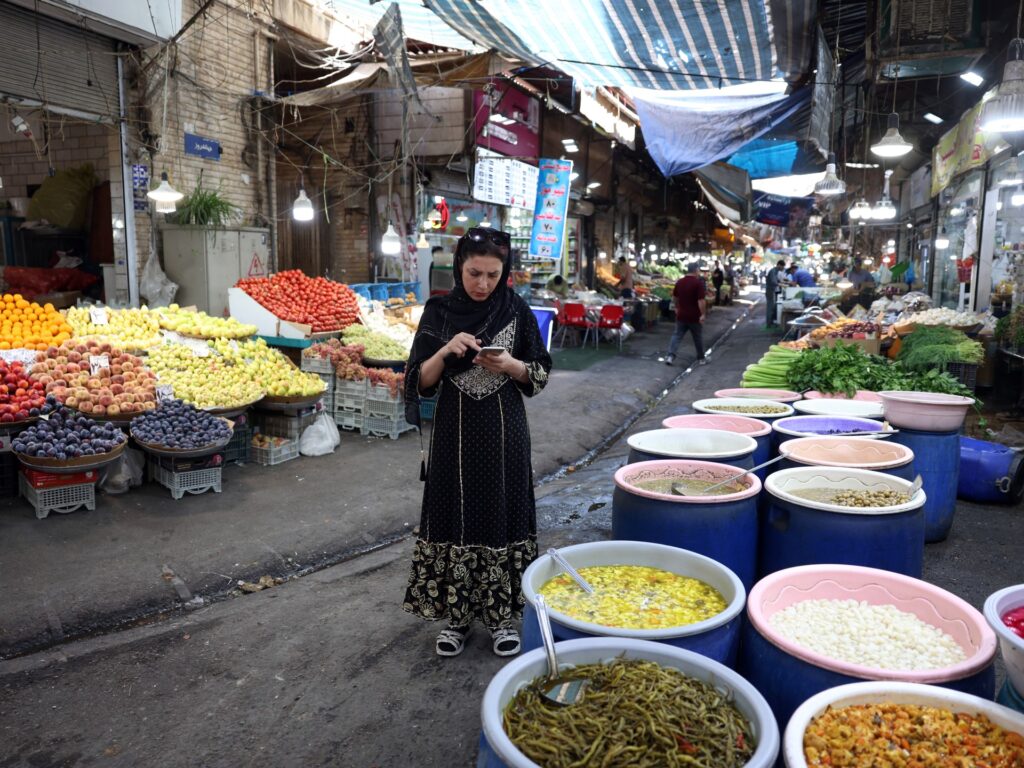
The ongoing war involving Iran, exacerbated by the US-Israel conflict, has significantly impacted Iran’s economy, most notably through its critical oil and gas sector. New official data reveals that the oil and gas sector has contracted by a staggering 26 percent throughout the conflict. This sector is fundamental to Iran’s economy, and such a reduction has had severe repercussions on the nation’s overall financial health.
The contraction in oil and gas has translated directly into a broader economic decline, shrinking Iran’s Gross Domestic Product (GDP) by approximately 10 percent. This figure underscores the critical importance of the energy sector to Iran’s economic stability and the profound effects the war has had beyond the battlefield.
Several factors contribute to this sharp decline. The war has disrupted production, damaged infrastructure, and limited export capabilities due to international sanctions and logistical challenges. Additionally, risks and uncertainties in conflict zones have discouraged foreign and domestic investment, further constraining the sector’s growth.
Iran’s reliance on oil and gas revenue means that such losses ripple through the wider economy, affecting public finances, employment, and social programs that depend on state funding. The 10 percent GDP contraction also reflects diminished government revenue, which restricts the ability to finance reconstruction or social welfare initiatives during these tough times.
Further compounding the problem are the sanctions imposed largely due to geopolitical tensions, which have limited Iran’s access to global markets, financial services, and technology needed to sustain and grow its oil and gas operations. Concurrently, damage to critical infrastructure due to military activities has resulted in reduced output capacity and increased maintenance costs.
Despite these challenges, Iran continues efforts to stabilize and revive its energy sector through various measures, including seeking alternative markets, investing in domestic capabilities, and exploring new technologies. However, the path to recovery remains steep and heavily dependent on the resolution of regional conflicts and easing of diplomatic tensions.
The data paints a stark picture of how intertwined geopolitical events and national economic health are, especially for resource-dependent countries like Iran. The 26 percent shrinkage in the oil and gas sector and the consequent 10 percent GDP loss highlight the high cost of prolonged conflict and the urgent need for peaceful resolutions to restore economic stability.
In conclusion, the war involving Iran and surrounding tensions have deeply scarred its vital oil and gas industry, leading to a significant economic downturn. The decline not only reflects lost output but signals broader economic vulnerabilities amplified by the conflict. Going forward, addressing these losses requires concerted efforts on diplomatic, economic, and infrastructural fronts to enable Iran to rebuild its cornerstone sector and overall economic health.