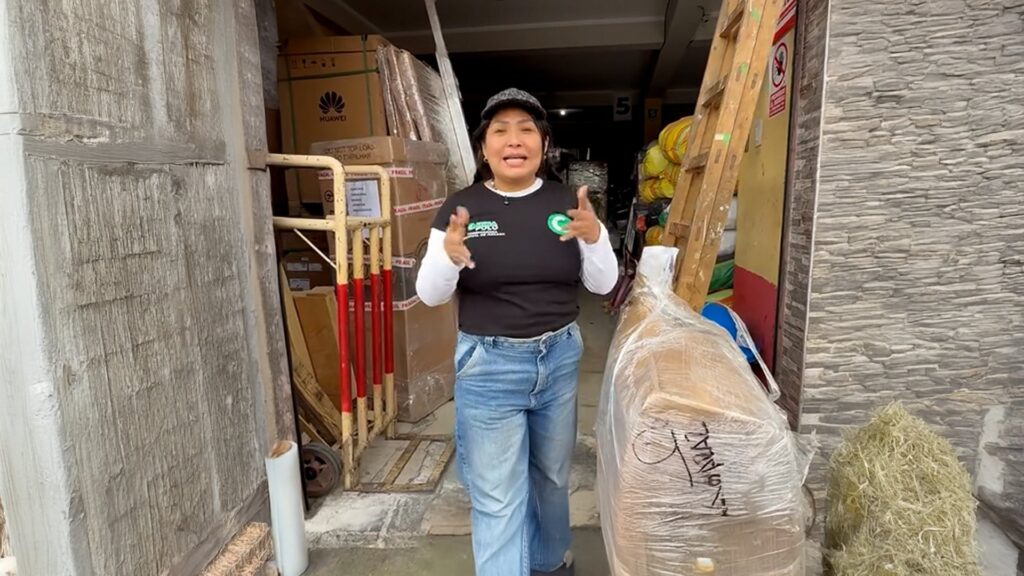
In a tragic incident that has sent shockwaves through the journalism community and wider society in Peru, a well-known journalist, often referred to by the nickname “China Polo,” has been shot dead. The killing occurred just a week after the journalist received multiple death threats, which were reportedly linked to an ongoing investigation into police activities.
‘China Polo’ had gained prominence for their fearless reporting style, particularly focusing on issues related to corruption and misconduct within law enforcement agencies. The journalist was actively investigating a sensitive case involving the police, which many believe could have exposed significant malpractice or abuses of power.
The threats were initially considered serious by the journalist and their close associates, prompting concerns about the safety and protection of media personnel working on sensitive issues. Despite these warnings, the journalist continued their investigative work, determined to bring the truth to the public eye.
The murder has provoked outrage and demands for justice from fellow journalists, human rights organizations, and the general public. Many see this act as an attack not just on an individual but on the freedom of the press and the right to uncover corruption without fear of retaliation.
Peruvian authorities have launched an investigation into the shooting. Given the context of police involvement in the original investigation that led to the threats, there is heightened scrutiny on whether those responsible for the journalist’s death are connected to law enforcement.
The case highlights the dangerous environment that many investigative journalists face in areas where corruption and abuse of power are prevalent. It raises urgent questions about how journalists can be protected and how countries can uphold their commitments to press freedom and the rule of law.
This event underscores the critical role that journalists play in holding institutions accountable and the risks they endure while doing so. Support from international human rights and press freedom organizations is expected to rise as the investigation unfolds.
Communities around the world have expressed solidarity with the family and colleagues of ‘China Polo,’ urging for a thorough and transparent investigation and for stronger measures to safeguard journalists in Peru and beyond.
The death of ‘China Polo’ serves as a stark reminder of the vulnerabilities faced by journalists globally and the essential need for global and local actions to protect those who bravely seek truth and justice.