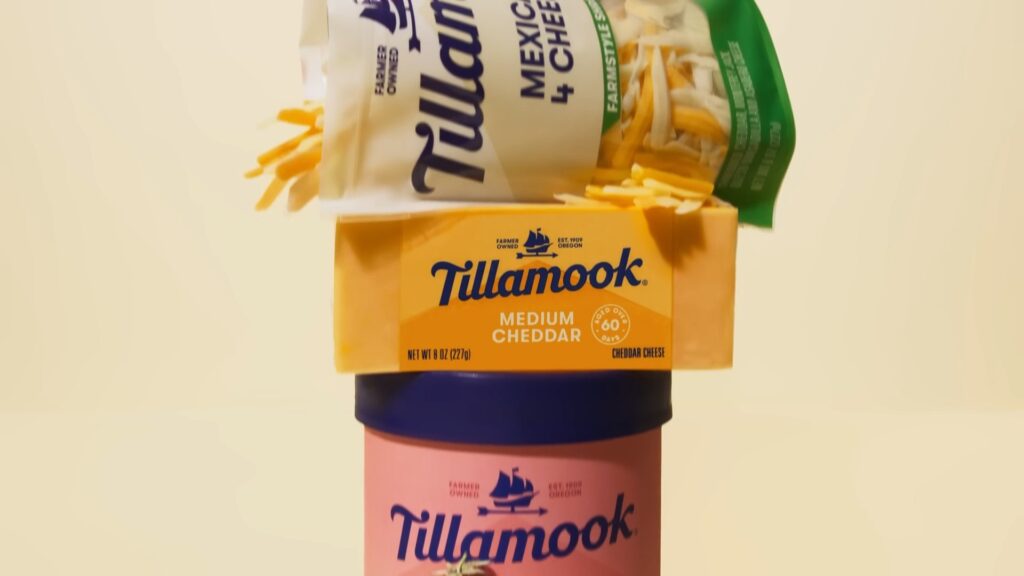
US cheese giant Tillamook is facing a wave of criticism following the introduction of its new halal labeling on products. This move, intended to cater to Muslim consumers by certifying that the cheese meets halal dietary standards, has sparked significant backlash from some critics and consumers.
Tillamook, known for its high-quality dairy products, announced the halal certification as part of an effort to broaden its market and be more inclusive. Halal certification ensures that food products comply with Islamic dietary laws, which is increasingly important for a diverse customer base.
However, the introduction of the halal label has not been universally welcomed. Critics have launched a boycott campaign urging consumers to stop purchasing Tillamook products. Some individuals argue that the halal certification is unnecessary or have expressed cultural and political objections to it.
The boycott movement has gained traction primarily on social media platforms, where some consumers have vocalized opposition to what they perceive as a political or religious stance by Tillamook. Supporters of the boycott claim that the company is catering to a niche market at the expense of its traditional customer base.
On the other side, many consumers and advocacy groups have welcomed Tillamook’s move, praising the company for recognizing the needs of Muslim customers and promoting inclusivity in the food industry. They argue that halal certification is a legitimate and important accommodation for a significant segment of the population.
Tillamook representatives have responded by emphasizing their commitment to diversity and respect for all customers. They stated that the halal labeling is meant to provide more options and transparency, not to alienate or exclude any group.
This controversy shines a light on broader societal debates about diversity, inclusion, and consumer choice. The backlash against the halal label underscores how food products can become focal points for cultural and political tensions.
Halal certification involves rigorous standards concerning ingredients and processing to ensure compliance with Islamic law. As halal food markets continue to grow globally, more companies in the US and beyond are adopting halal labels to attract Muslim consumers.
The Tillamook boycott campaign reflects the challenges companies face when navigating the intersection of cultural values and commercial strategies. While efforts to expand inclusivity may open new markets, they can also provoke resistance from certain segments of society.
Overall, the Tillamook halal label controversy illustrates the complex dynamics in the modern marketplace, where food choices intersect with cultural identity and social politics. As dialogues about diversity and inclusion continue, businesses must balance catering to varied customer needs while managing potential backlash.
The outcome of this boycott and Tillamook’s future market strategy remain to be seen. For now, the company stands by its decision to label products halal, seeking to serve an increasingly diverse population while navigating the polarized reactions of its consumers.