In early 2026, Colombia has witnessed a significant surge in drone attacks carried out by various armed groups, with incidents more than doubling compared to previous periods. This alarming escalation highlights the growing use of drone technology as a tactical weapon in the ongoing conflict between these groups and government forces.
The proliferation of drone attacks has sent shockwaves through affected communities, immediately impacting not just combatants but also civilians who are increasingly caught in the crossfire. Reports indicate that these remotely controlled devices have been used for surveillance, carrying explosives, and executing targeted strikes, leading to heightened insecurity and civilian casualties.
Experts attribute the rise in drone usage to the accessibility of affordable drone technology and its strategic advantage in guerrilla warfare. Armed groups exploit drones for their ability to bypass traditional defenses, conduct reconnaissance, and deliver devastating payloads with precision.
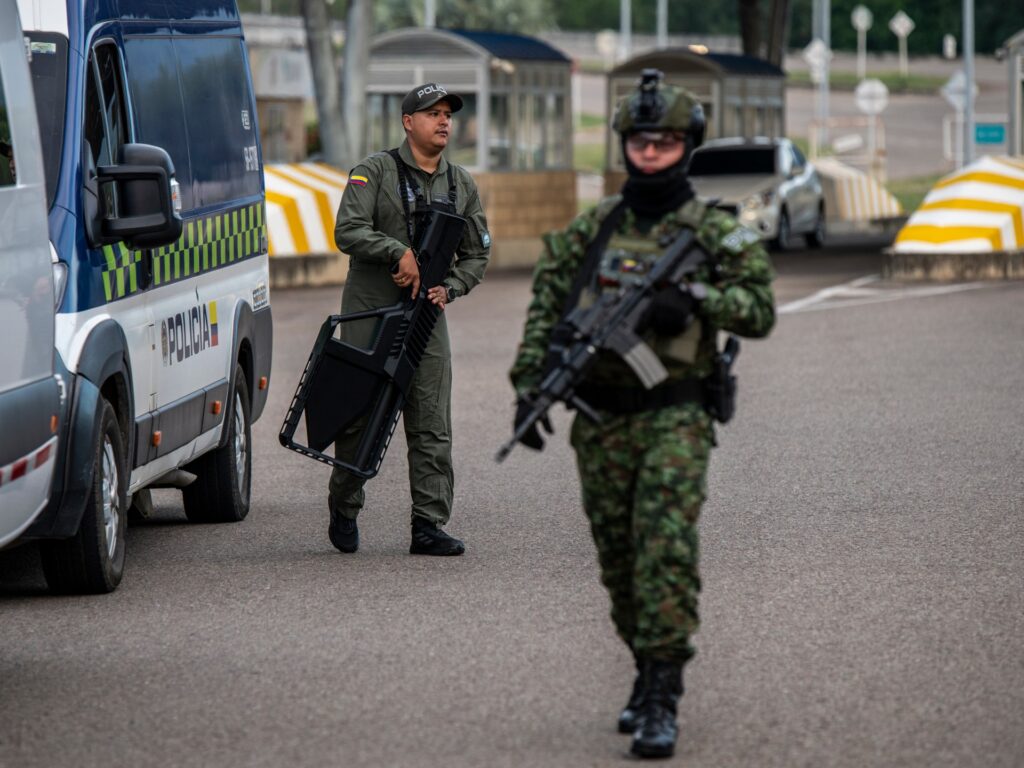
The government’s response has included bolstering military capabilities, investing in counter-drone technology, and enhancing intelligence operations to identify and neutralize threats. Despite these efforts, the rapid evolution of drone tactics presents a persistent challenge for Colombian security forces.
The civilian population bears the brunt of this conflict, suffering from injuries, displacement, and trauma associated with drone strikes and related violence. Human rights organizations have raised alarms about the growing humanitarian toll, urging all parties to respect international humanitarian law and protect non-combatants.
Moreover, the rise in drone attacks reflects broader regional security concerns in Latin America, where similar tactics are being adopted by non-state actors. The trend underscores the need for coordinated international efforts to regulate drone proliferation and support conflict resolution initiatives.
In response, Colombian authorities are exploring diplomatic and technological solutions to curb the influx of drones into conflict zones and mitigate their destructive use. Community outreach and education campaigns aim to strengthen resilience among vulnerable populations.
As the situation develops, monitoring and reporting on drone-related violence remain critical for informing policy decisions and humanitarian responses. The doubling of drone attacks in early 2026 serves as a stark indicator of the evolving nature of armed conflict in Colombia and the urgent necessity for comprehensive strategies to restore peace and security.